
Loading titles…
No cast information available.


Nazi POWs suspected of heinous acts are locked up in a Soviet women's prison run by vengeful female guards. To weed out the guilty, the innocent must pay. Can supposed enemies turn into great loves? Based on a true post-World War II story, this drama stars Thomas Kretschmann, John Malkovich and Vera Farmiga in a bitter game of cat and mouse and a battle between hate and humanity, mercy and revenge.

The economic and cultural improvements of the Soviet Occupied Sector are documented with scenes from the years 1945 to 1950. The film deals with the land reform, the founding of the Socialist Unity Party, the expropriation of war criminals, the founding of the GDR and the first Five Year Plan in July 1950. Special attention is dedicated to the setup of the steel industry. All this is shown in contrast to the new Federal Republic of Germany, where unemployment, slums and the West Berlin airlift prevail. The Cold War of those years is reflected in the film as well as a part of the development of post-war Germany.
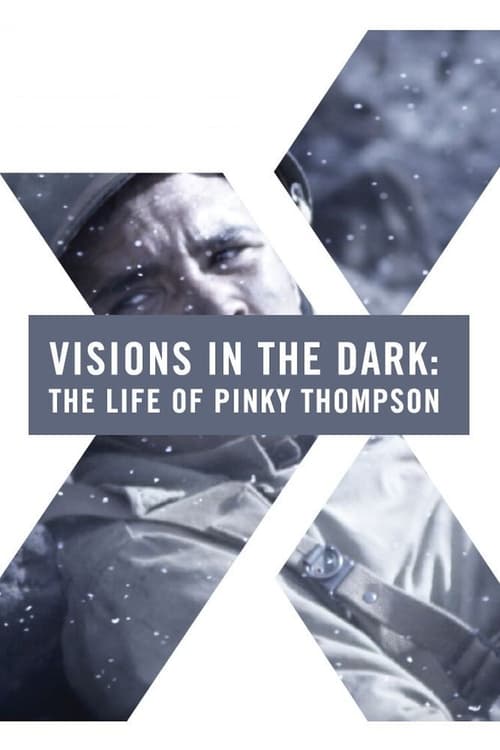
Pinky Thompson grew up in Hawaii during a time when one was punished for being Native Hawaiian. After almost losing his life in the battlefields of Normandy in World War II, Pinky brought his fierce energy to the arena of social service whre he championed a health care system, created invaluable educational programs and strengthened the pride of Native Hawaiians. Pinky fostered new methods of policy collaboration and community testimony. He elevated a new generation of Hawaiian leaders to represent the vibrant cultural identity and value system of the Hawaiian people.

One journalist described it as a chance "to see justice catch up with evil." On November 20, 1945, the twenty-two surviving representatives of the Nazi elite stood before an international military tribunal at the Palace of Justice in Nuremberg, Germany; they were charged with the systematic murder of millions of people. The ensuing trial pitted U.S. chief prosecutor and Supreme Court judge Robert Jackson against Hermann Göring, the former head of the Nazi air force, whom Adolf Hitler had once named to be his successor. Jackson hoped that the trial would make a statement that crimes against humanity would never again go unpunished. Proving the guilt of the defendants, however, was more difficult than Jackson anticipated. This American Experience production draws upon rare archival material and eyewitness accounts to recreate the dramatic tribunal that defines trial procedure for state criminals to this day.
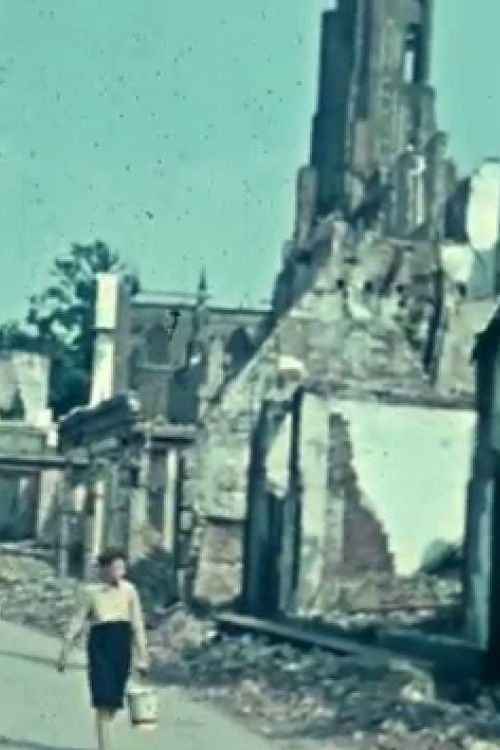
The silent film To Regain by Work is a remarkable filmed colour portrait of the Netherlands just after World War II. Immediately after the liberation of Deventer in April 1945, Alex Roosdorp and his wife Marie Roosdorp-van den Berg began filming the devastation around them: wrecked towns, destroyed infrastructure and flooded landscapes. Roosdorp and his wife travelled hundreds of kilometres by bike to record everything. They filmed extensively in the region around Deventer, but the film also includes footage of Arnhem, Scheveningen, Walcheren and the Wieringermeer polder. The couple had an eye for the small ways in which everyday life continued in the liberated Netherlands.
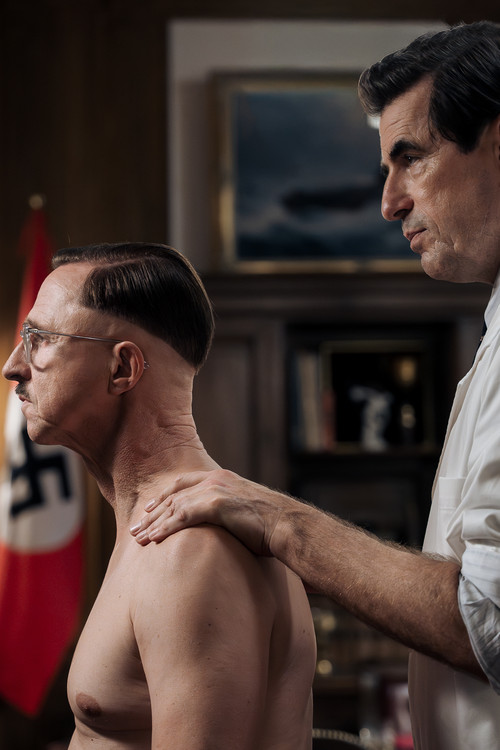
Autumn 1952: Committed journalist Hedda and her husband Winfried ambush Felix Kersten, former massage therapist to SS Reich Leader Himmler, on a train to Oslo. Kersten is said to have helped thousands of concentration camp prisoners to freedom during the Nazi era—at least according to his own account. But Hedda has her doubts. She considers Kersten a mythmaker who is using fabricated heroic deeds to put himself in the running for the Nobel Peace Prize. What begins as an interview develops into a tense, psychological cat-and-mouse game: Kersten, rhetorically brilliant and armed with alleged evidence, encounters a stubborn opponent who relentlessly confronts him with contradictions. As the conversation comes to a head, the announcement of the Nobel Peace Prize winner draws ever closer....