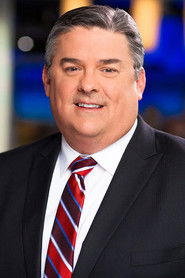
Don Schwenneker
Narrator (voice)
A short documentary looking at Altoona in its heyday.
Narrator (voice)
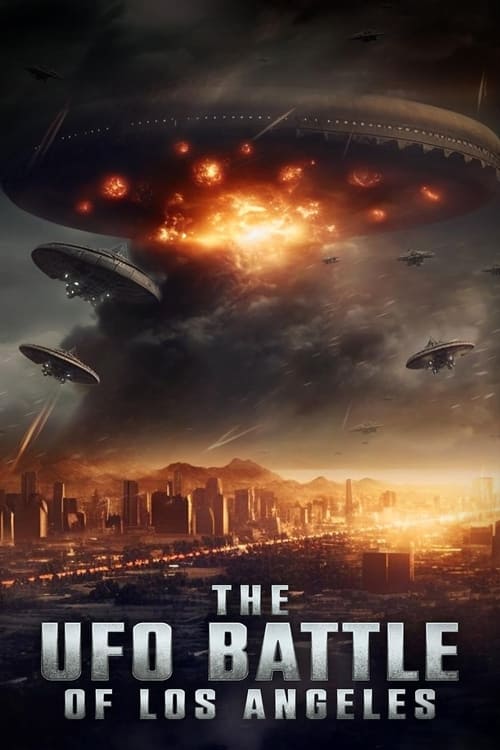
On the night of February 24-25, 1942, amid terror and neurosis caused by the terrible Pearl Harbor attack only two months earlier, a huge flying object of unknown origin appears in the sky over Los Angeles. The military reacts by imposing a total blackout in the area and firing more than 1440 artillery rounds. However, despite the firepower, no object was shot down. We will try to understand what actually happened and who or what flew over the skies of Los Angeles that night of February 24, 1942.
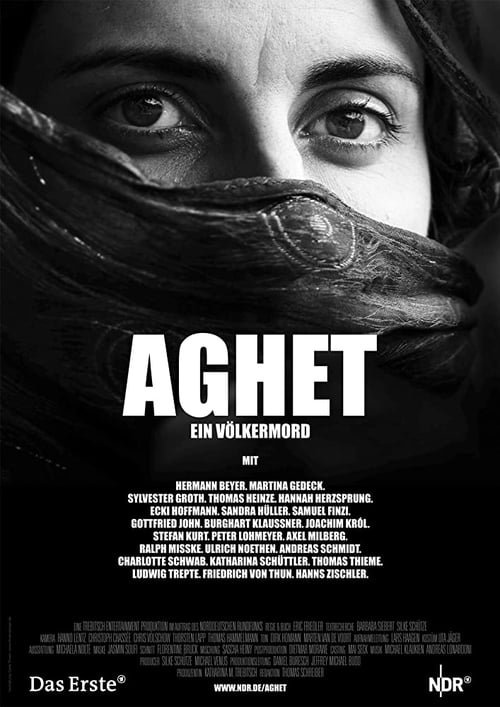
2010 documentary film on the Armenian Genocide by the Young Turk government of the Ottoman Empire during World War I. It is based on eyewitness reports by European and American personnel stationed in the Near East at the time, Armenian survivors and other contemporary witnesses which are recited by modern German actors.
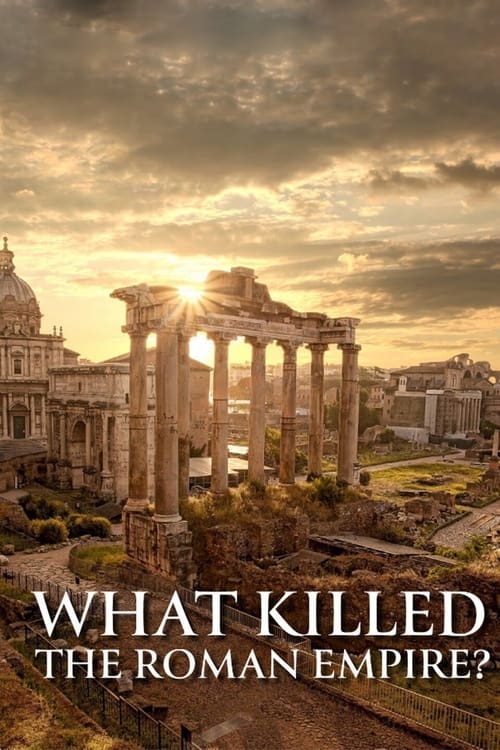
Why did the Roman Empire, which dominated Europe and the Mediterranean for five centuries, inexorably weaken until it disappeared? Archaeologists, specialists in ancient pathologies and climate historians are now accumulating clues converging on the same factors: a powerful cooling and pandemics. A disease, whose symptoms described by the Greek physician Galen are reminiscent of those of smallpox, struck Rome in 167, soon devastating its army. At the same time, a sudden climatic disorder that was underway as far as Eurasia caused agricultural yields to plummet and led to the westward migration of the Huns. Plagued by economic and military difficulties, attacked from all sides by barbarian tribes, the Roman edifice gradually cracked.
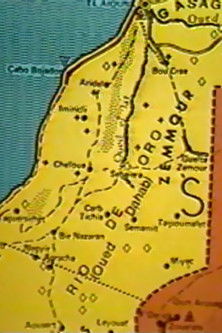
A historical analysis of the on-going war in the Western Sahara. Liza Bear interviews Abdullah Majdid, the Polisario Front's United Nations representative. The tape addresses Morocco's U.S.-backed military effort to subjugate the indigenous Sahrawi population and annex one of the world's largest phosphate deposits, as well as the Sahrawis' conditions for a referendum.
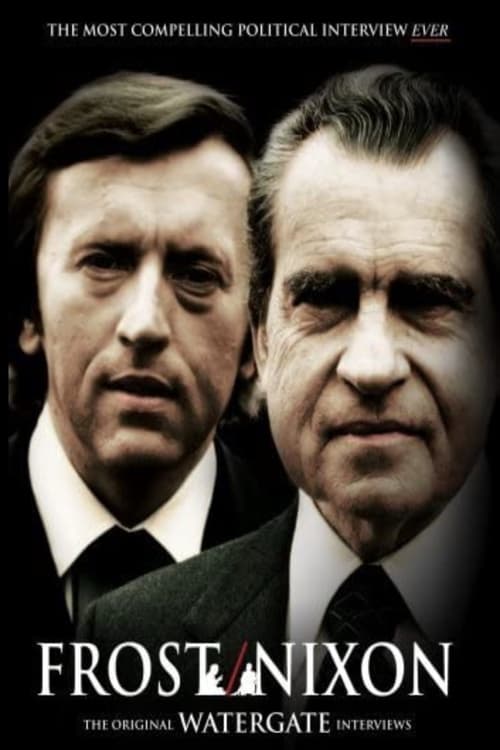
This program, culled from the over 28 hours of interview footage between Sir David Frost and U.S. President Richard M. Nixon, was originally broadcast in May of 1977. Never before, nor since, has a U.S. President been so candid on camera. Even more intriguing is the fact that Nixon agreed to appear on camera with no pre-interview preparation or screening of questions.
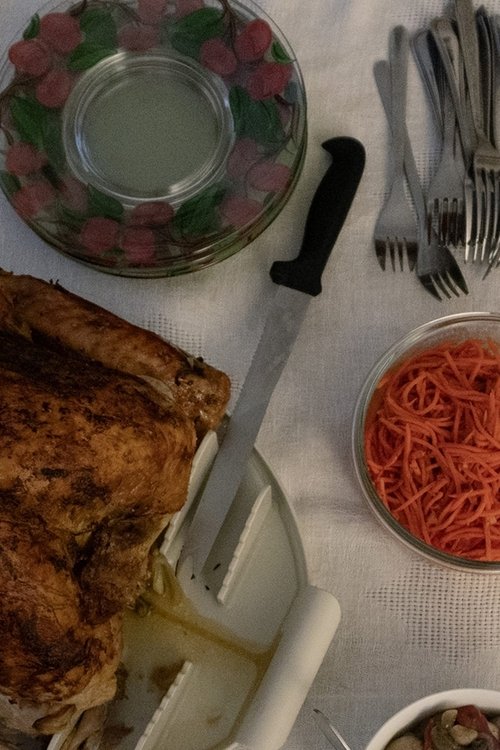
This film tells a story of ethnic Koreans from Russia and the post-Soviet territories making their new home in New York City. The history of the diaspora is told through conversations with Lidiya Kan’s mother, personal stories, fragmented memories, and her family photo archive. An important character of the film is Morkovcha, the Korean carrot salad, an invention of the Russian Korean diaspora; its essence is symbolic of their mixed identity.
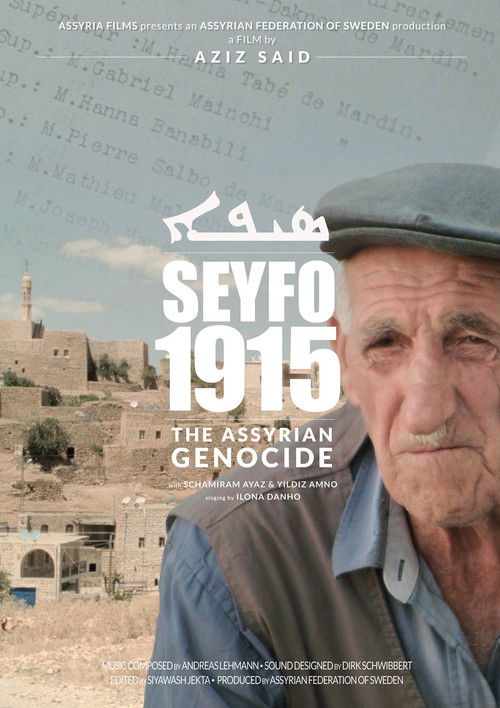
In the shadow of the First World War, the genocide of the Christian Assyrians took place almost unnoticed by the world public. This first systematic genocide of the 20th century was committed by the Young Turks (Ottoman Empire) and would not have been possible without the support of some Kurdish local rulers and their family clans. The Assyrians are the indigenous people of Mesopotamia and have lived in Mesopotamia for thousands of years. The film includes testimony from several European, Turkish and Assyrian historians, as well as genocide researchers, including Professor Taner Akcam, Dr. Gabriele Yonan and Professor David Gaunt. The film includes testimony from survivors of the genocide. Various journalists and publicists also have their say with well-researched information in this documentary. The Assyrians refer to the Genocide as "Seyfo" (ܣܝܦܐ), which translates as "sword".
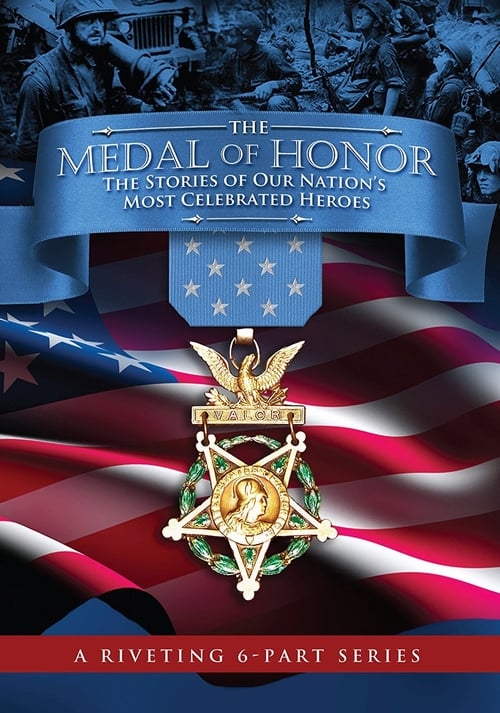
The Medal of Honor is awarded for conspicuous gallantry and intrepidity at the risk of his or her life above and beyond the call of duty while engaged in an action against an enemy of the United States. This 6-part documentary chronicles the highest award given to military personnel for their extreme bravery, valor and harrowing sacrifices. Covering the Civil War through the wars in Iraq and Afghanistan, learn about the most courageous acts performed by the people who fight for American freedom. These are their stories...