
Loading titles…
Documentary
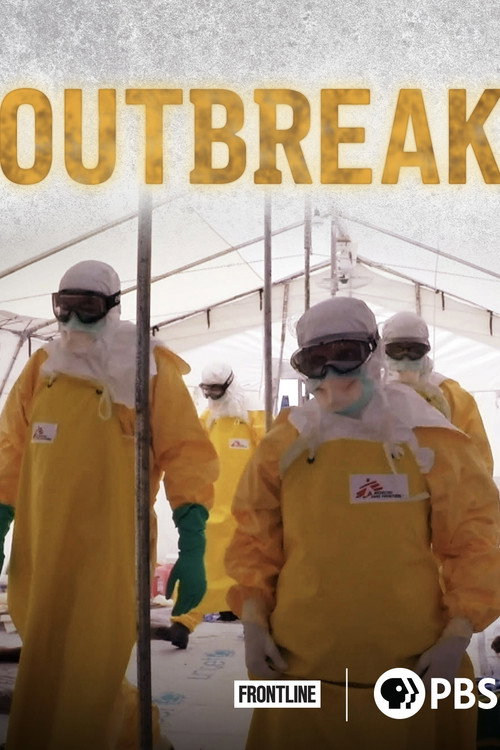
FRONTLINE spent months on the ground in West Africa, tracing the Ebola outbreak’s path through Guinea, Sierra Leone and Liberia in 2014 and 2015 and uncovering the hidden story of what happened before the world started paying attention. The documentary shared firsthand accounts…
Self - Reporter
Self
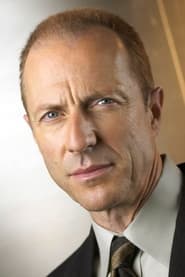
Self - Narrator
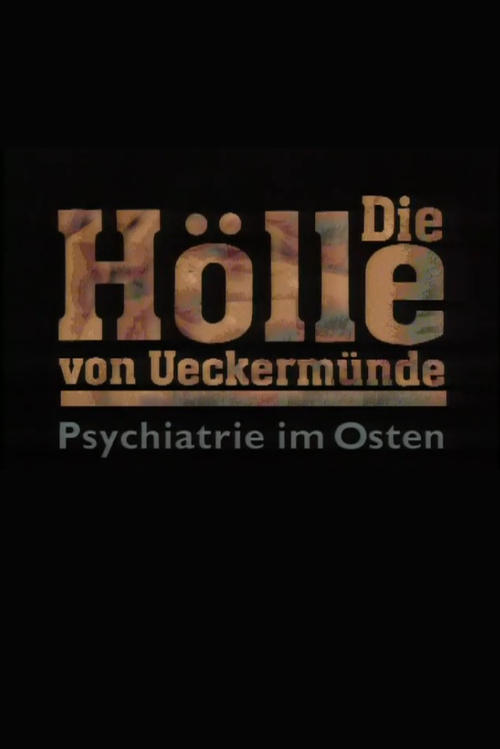
This report was broadcast on ARD in 1993. In 43 minutes, the development of psychiatry "in the third year after reunification" is shown using two institutions in the new federal states as examples. A touchstone for all of psychiatry and disability care to this day. The film shows a shocking way in which disabled people are treated. The commentary uses the perspective of those affected. 50 years after euthanasia in Germany, this documentary reminds us of this once again.
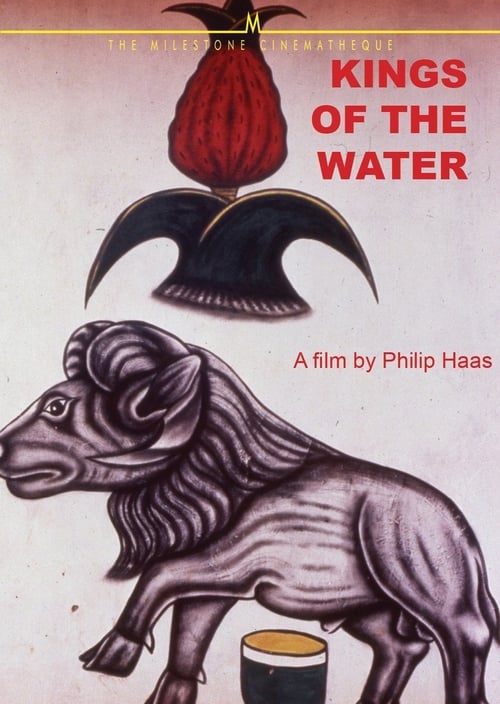
Cyprien Tokoudagba is from the city of Abomey in the Benin Republic of West Africa, where he paints the religious houses of the vodun. Haas and his film crew follow Cyprien as he first paints and then takes part in the ceremony to open a new temple. The paintings include three vodun figures and several emblems, including a pipe and a duck. Cyprien explains his work in the context of the religion and takes the crew to film two other local ceremonies, one where the dead are believed to come back to instruct the living through wild dancing and, another, where women warriors perform their war dances.
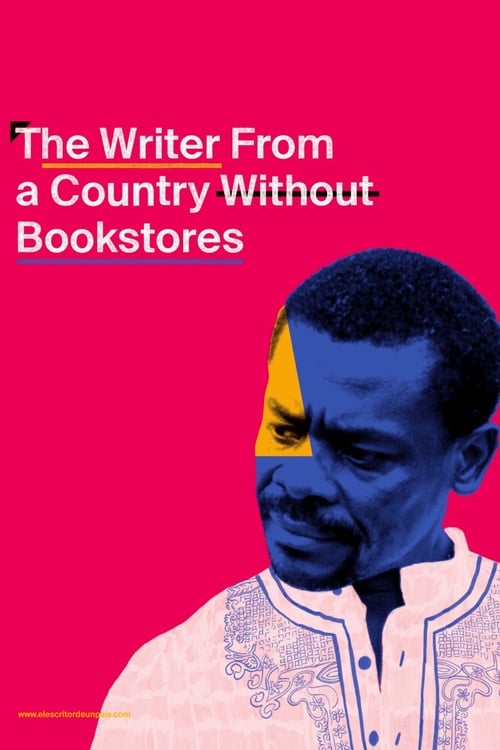
The ruthless dictator Teodoro Obiang has ruled Equatorial Guinea with an iron hand since 1979. Juan Tomás Ávila Laurel is the most translated Equatoguinean writer, but he had to flee the country in 2011, after starting a hunger strike denouncing the crimes of the dictatorship. Since then, he has lived in Spain, feeling that, despite the risks, he must return and fight the monster with words.
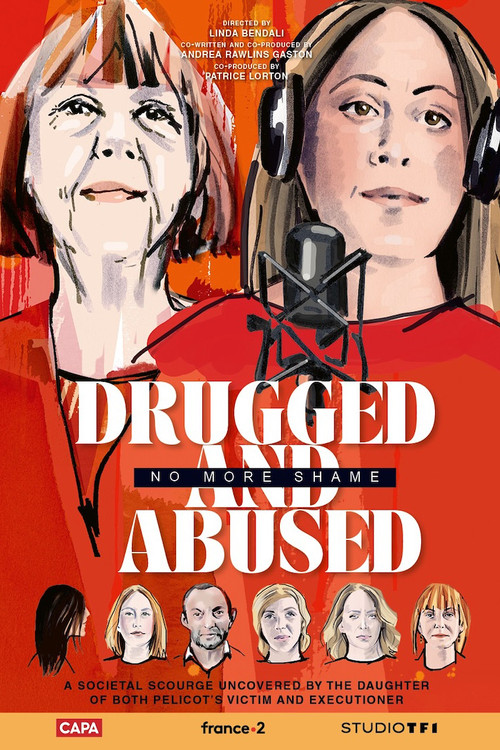
Caroline Darian, Gisèle Pelicot's daughter, looks back on the tragedy that shook her family: for ten years, her father drugged her mother to subject her to rapes committed by strangers recruited on the Internet. This case exposes the scandal of chemical submission, a practice where attackers, generally close to the victims, use prescription or over-the-counter medications to commit their crimes. This phenomenon, far from being marginal, affects victims with varied profiles...
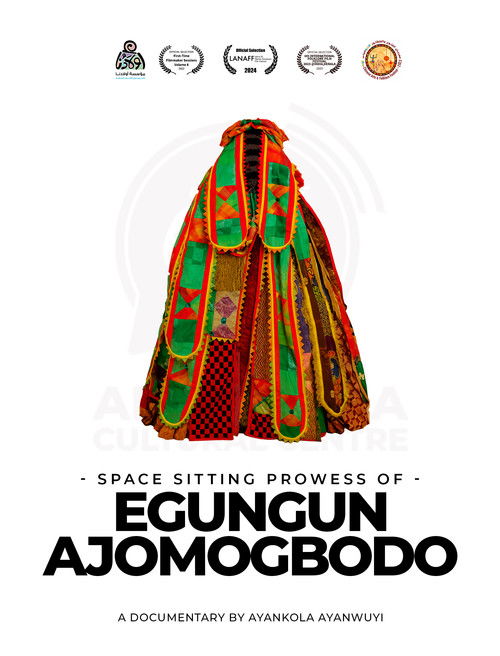
The name Ajoko-mo-gbe-odo (the one who sits without need for stool) is said to have been given in the ancient time when all Egungun in Ogbomoso openly perform for the king, Soun of Ogbomoso. After their performance, other Egungun would sit on stool but this precise Egungun choose to be different by sitting without a stool. Since then, the onlookers began to call it Ajoko-mo-gbe-odo and was later shortened to Ajomogbodo for easy pronunciation. This is a documentary that tells the story and shows the performance of Ajomogbodo, a mystical Egungun that sits comfortably on space without the use of a chair or stool.
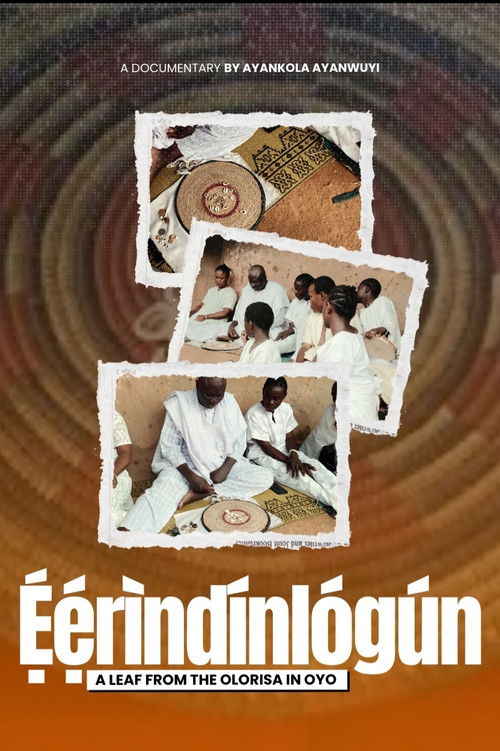
Eerindinlogun is a Yoruba based system of divination. It is a divination system (also called Idaasa or Dilogun in Brazil) widely used by Orisa adherents which includes Obatala, Sango, Oya, Osun, Yemoja, amongst others. This documentary entitled Eerindinlogun: A leaf from the Olorisa in Oyo, produced by Israel Ayanwuyi, explore the origin of Eerindinlogun, the order of its practice and position among the traditional families in Oyo.
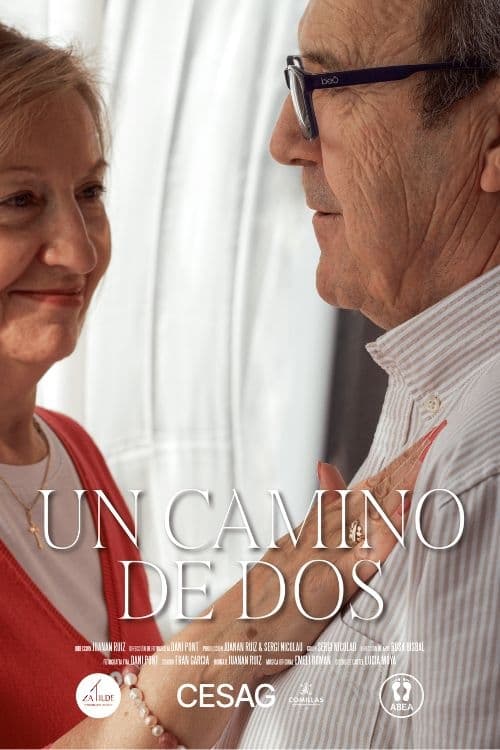
Segismundo Morey has spent his last few years facing the challenges imposed by Andrade’s rare disease. This medical condition, which affects his nervous and muscular system, has left a deep mark on his daily life and that of those around him. Over the years, Segismundo has had to overcome physical and emotional obstacles, dealing with difficulties in walking and moving normally. However, despite the constant challenges, he has found comfort and strength in the unconditional love and support of his family. Together, they have faced the adversities of Andrade’s disease, forming an indestructible bond that has been key in their shared journey.
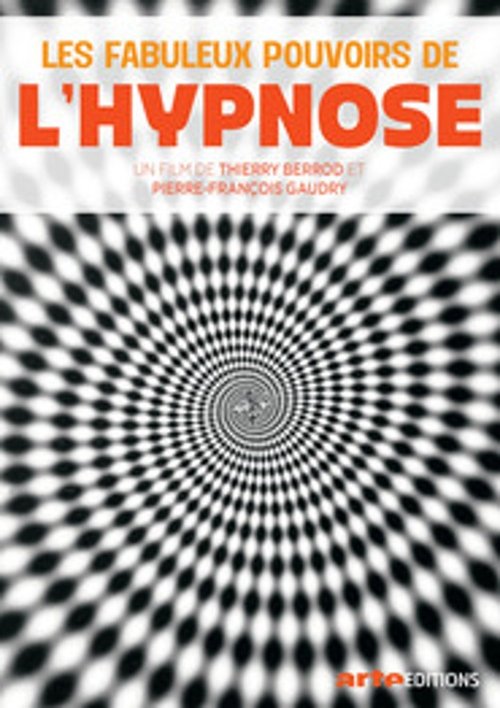
More and more doctors and surgeons are using hypnosis as a supplement to anesthesia during surgery. Hypnosis is also gaining increasing recognition among conventional physicians, especially for anesthesia and pain treatment. Can it also help with psychological stress disorders such as trauma, phobias, addiction, depression or burnout?