
Loading titles…

Self
Interviewer

Self
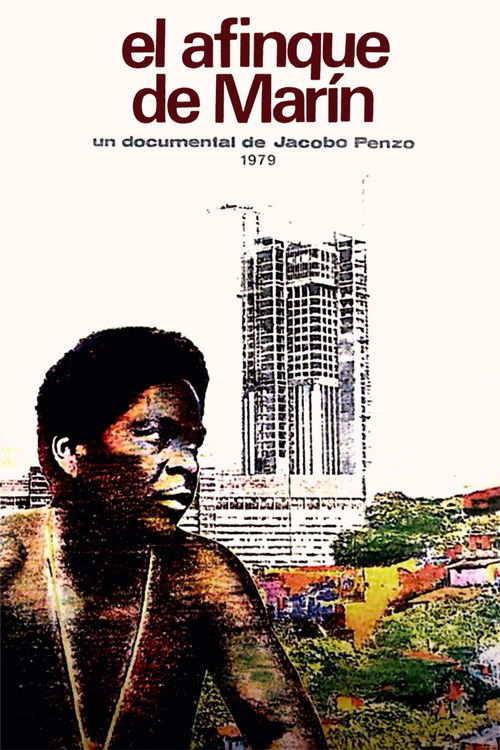
El afinque de Marín (1979) is an iconic Venezuelan documentary directed by Jacobo Penzo that explores the life, culture, and popular music of the Caracas neighborhood of Marín. Far from being merely a film about music, it delves into the social roots and collective identity of the barrio, using rhythm and everyday life as a lens to reveal the bonds, struggles, and shared histories of its inhabitants. Through its intimate portrayal of people, sounds, and spaces, the film becomes a vivid testament to popular culture as a living expression of community and belonging.
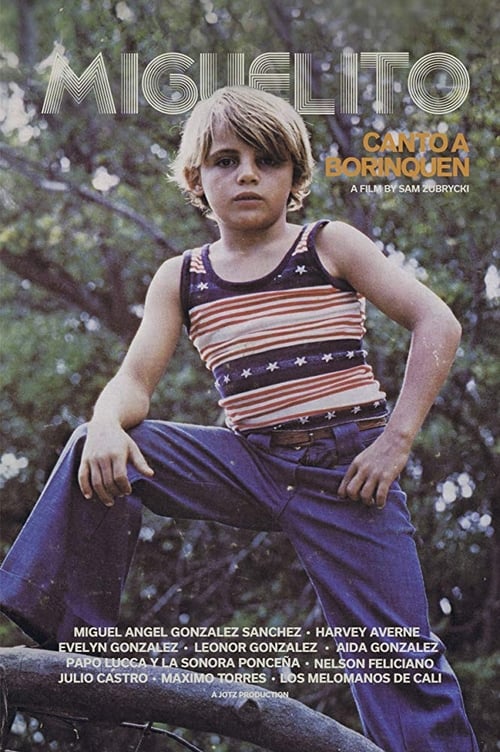
In 1973, eleven year old Miguelito was discovered singing in the San Juan airport by the legendary New York record producer Harvey Averne. Within the year, he went from the slums of Manuel A Perez, to recording an album with some of the finest salsa musicians of the time to finally performing with Eddie Palmieri at Madison Square Garden in front of 20,000 people. Throughout Latin America his songs ‘Payaso’ and ‘Canto a Borinquen’ had become cult hits. And then he simply disappeared...
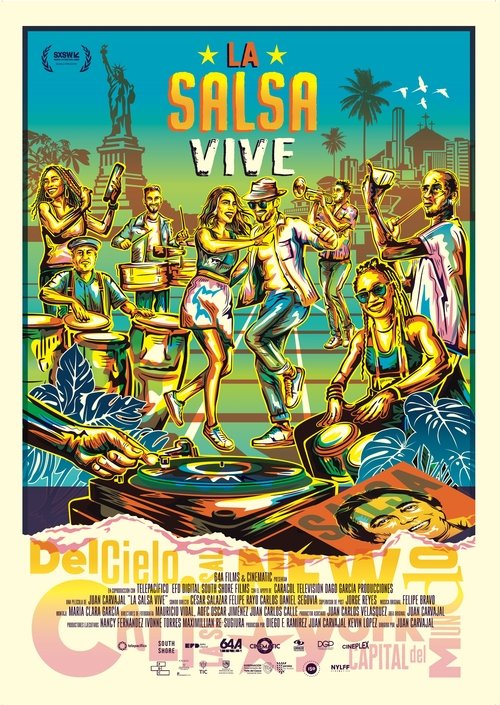
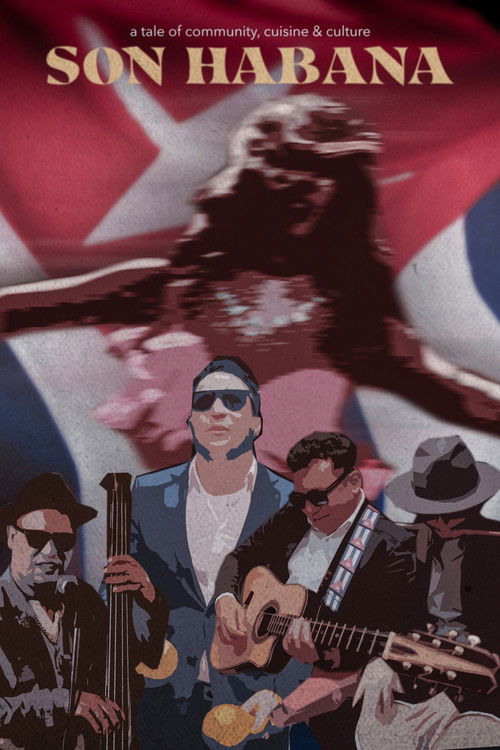
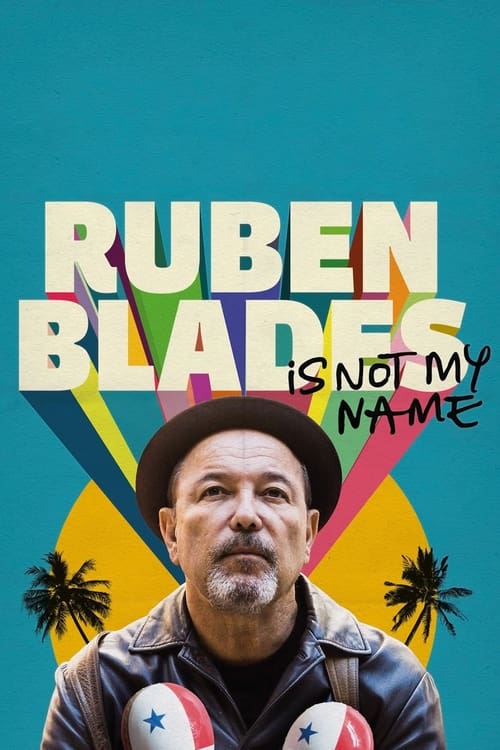
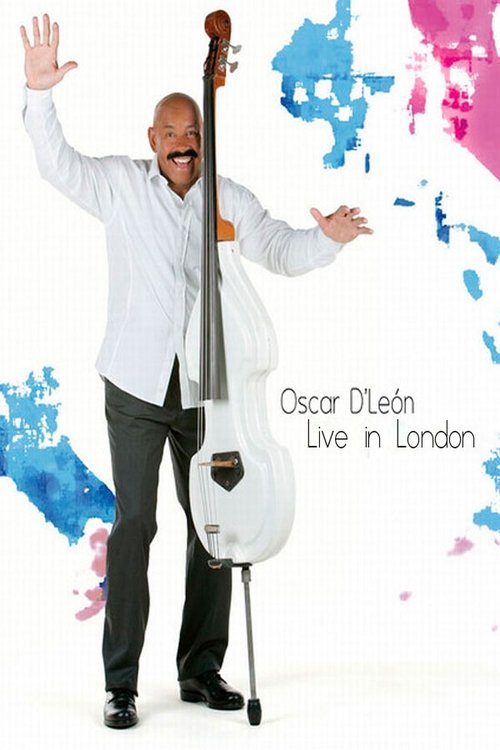
After several undistinguished albums in the early 80s, D’León began a return to form with 1984’s Con Cariño. Between 1985 and 1987 D’León issued a succession of albums featuring some of his strongest material, inspired playing and assured arrangements, which justified his position as one of salsa’s true international stars. The definitive albums of this period were 1987’s Riquiti..! and La Salsa Soy Yo. In June and October 1988, D’León demonstrated his live reputation by playing three sell-out concerts at London’s Hackney Empire. The last was recorded and broadcast in 1989 as a programme in BBC television’s Rhythms Of The World world music series, then released as Oscar D’León Live, the first salsa video to be issued in the UK.
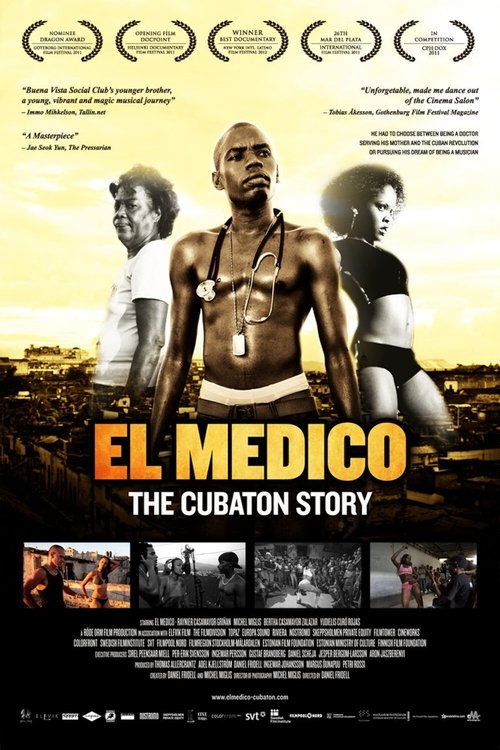
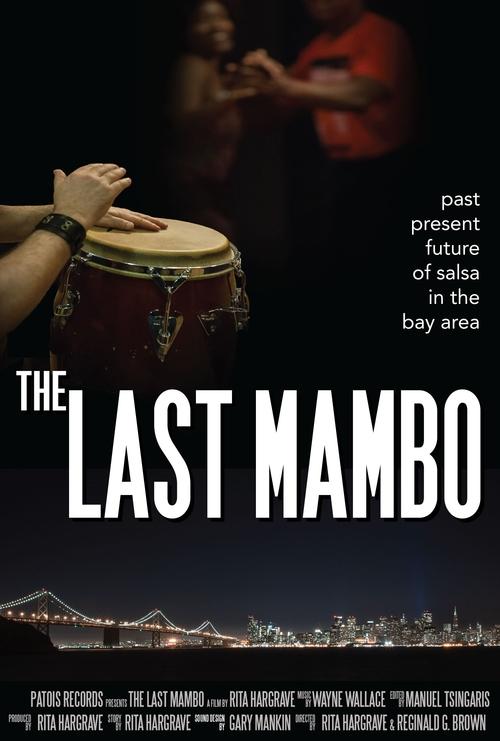
San Francisco Bay Area salsa and Latin jazz performers and audiences struggle to maintain culture, creativity and community in the face of powerful socioeconomic and demographic changes. This fascinating history of the Bay Area Latin music scene explores the post-WWII growth of California’s multi-ethnic music community, the 1950s Mambo craze, the 70s heyday of Salsa, and subsequent expansions of the art form. In today’s fast-changing environment, despite decreasing audiences and venues, Bay Area performers are transforming the future of the Afro-Latin music and dance through education and outreach.