Loading titles…
Documentary
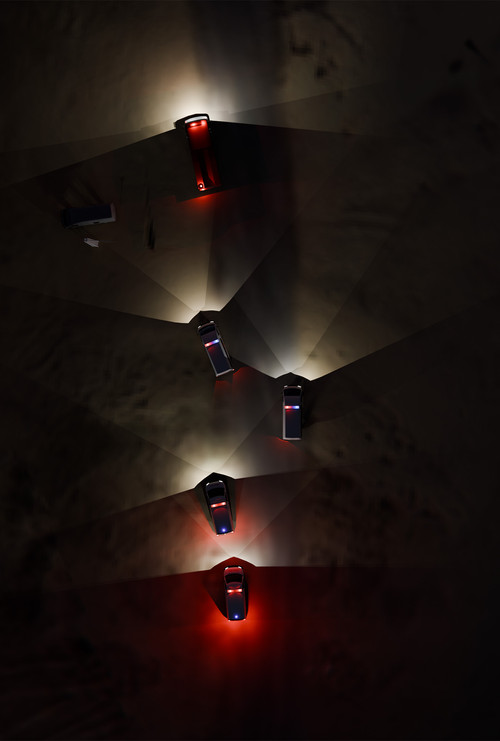
On 23 March 2025 in Tel al-Sultan, Gaza, Israeli forces massacred fifteen Palestinian aid workers travelling in clearly marked humanitarian vehicles, later burying their bodies and vehicles in a shallow mass grave. Earshot and Forensic Architecture worked with the Palestine Red…
No cast information available.
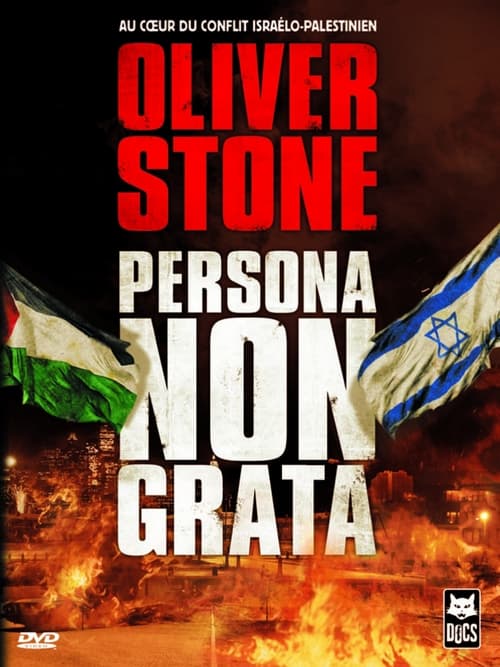
2003 documentary film produced by Oliver Stone for the HBO series America Undercover about the conflict in occupied Palestine. He speaks with Ehud Barak and Benjamin Netanyahu, former prime ministers of Israel, Yasser Arafat, late president of the Palestinian National Authority, and various Palestinian activists resisting the oppression of the zionist regime.
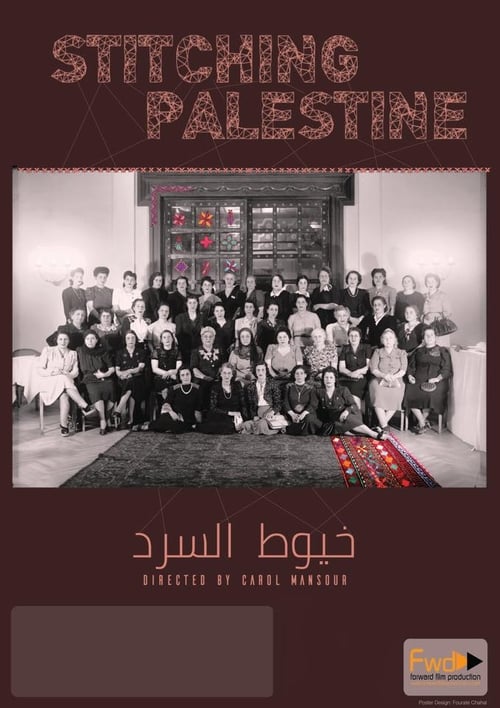
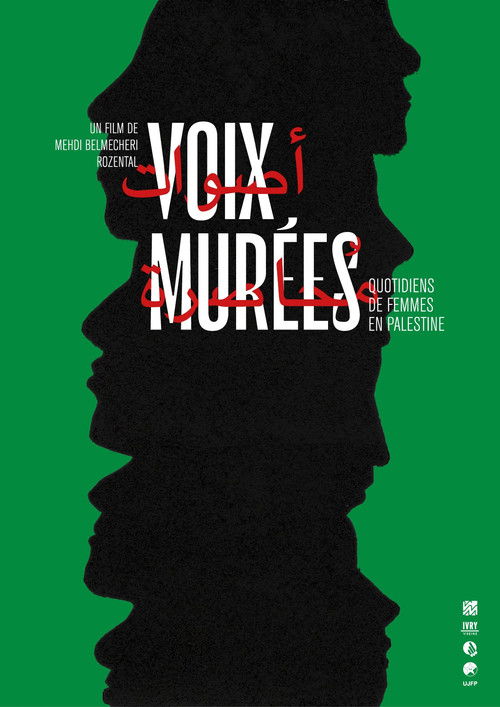
Twelve Palestinian women sit before us and talk of their life before the Diaspora, of their memories, of their lives and of their identity. Their narratives are connected by the enduring thread of the ancient art of embroidery. Twelve resilient, determined and articulate women from disparate walks of life: lawyers, artists, housewives, activists, architects, and politicians stitch together the story of their homeland, of their dispossession, and of their unwavering determination that justice will prevail. Through their stories, the individual weaves into the collective, yet remaining distinctly personal. Twelve women, twelve life-spans, and stories from Palestine; a land whose position was fixed on the map of the world, but is now embroidered on its face.

The pro-Palestinian, anti-capitalist, BDSM-provocative, techno-punk performance art ensemble Hatari unsurprisingly drew attention to themselves with their performance at the Icelandic qualifiers for the Eurovision Song Contest. So much so that they won and therefore were allowed to perform at the main event in Tel Aviv. But what now? Should they boycott the event, swallow their idealism, or use their airtime to criticise the host country for their illegal occupation of Palestine? The Icelandic director Anna Hildur joins the boys in the band all the way to the fateful final.
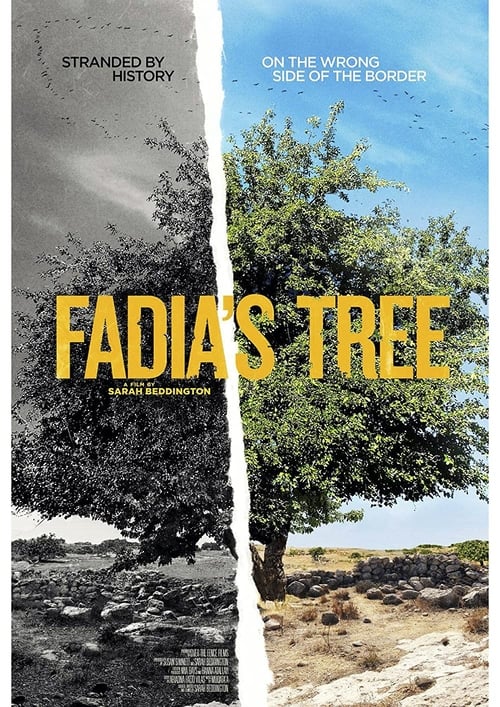
While millions of birds migrate freely in the skies above, Fadia, a Palestinian refugee stranded in Lebanon, yearns for the ancestral homeland she is denied. When a chance meeting introduces her to the director, Sarah, she challenges her to find an ancient mulberry tree that once grew next to her grandfather’s house in historic Palestine, a tree that stands witness to her family’s existence.
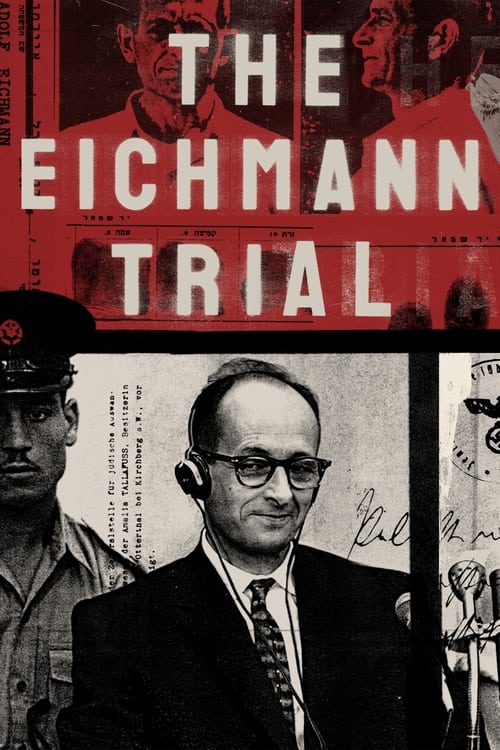
In 1961, history was on trial... in a trial that made history. Just 15 years after the end of WWII, the Holocaust had been largely forgotten. That changed with the capture of Adolf Eichmann, a former Nazi officer hiding in Argentina. Through rarely-seen archival footage, The Eichmann Trial documents one of the most shocking trials ever recorded, and the birth of Holocaust awareness and education.
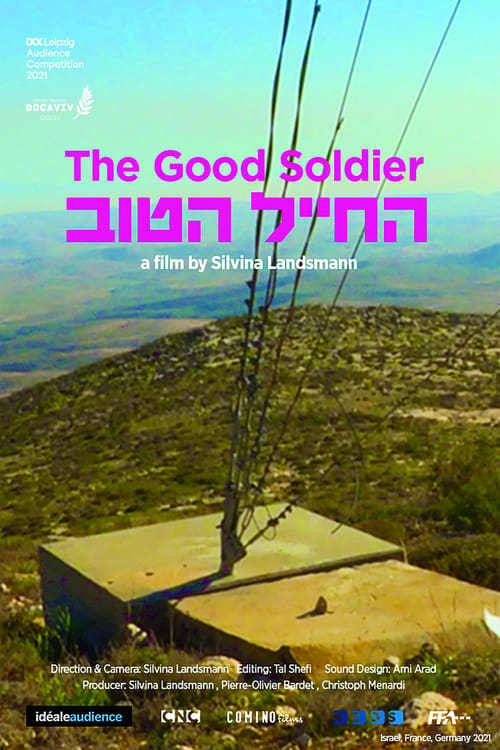
A look inside the work of Breaking the Silence, an organization of former IDF combat soldiers who collect and publish testimonies of soldiers who served in the occupied territories. For six months, director Silvina Landsmann, camera in hand, accompanied the staff of the organization. The many hours of footage have been refined into a film that dives into the heart of Breaking the Silence’s work: guided tours of Hebron and the surrounding area, public lectures and house meetings, internal staff meetings and media strategy. All the while the organization is forced to justify its very existence, both internally and to the broader public, and to justify its place in the political debate. The Good Soldier raises questions about Israel’s dynamic mainstream and the challenges of confronting it.
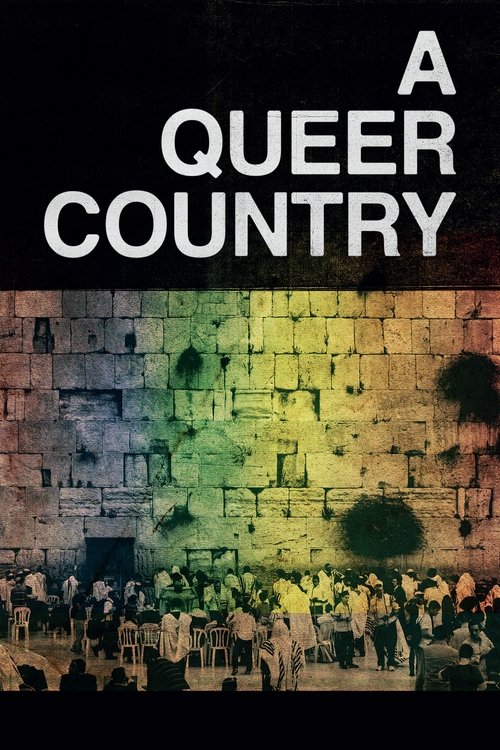
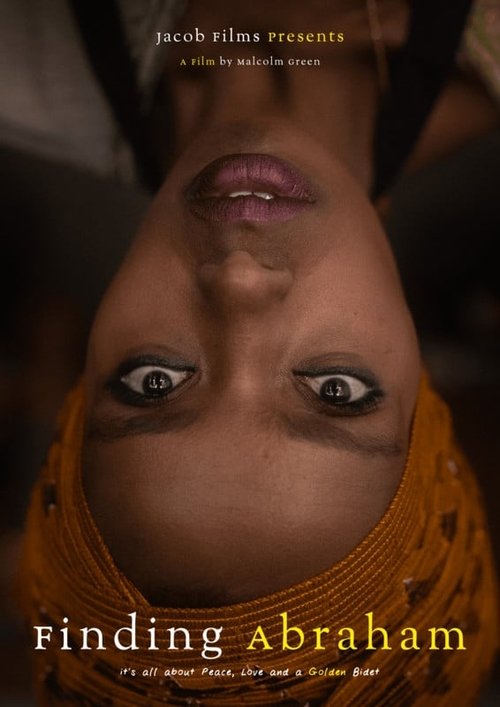
A group of young Arabs and Israelis join together for road trip across the desert. In the wake of recent Peace Agreements between their countries, they’re on a journey to find Abraham, offering an honest, open, challenging, unconventional insight into a peace process that, rooted in Religious conflict, is as much about profits as prophets.
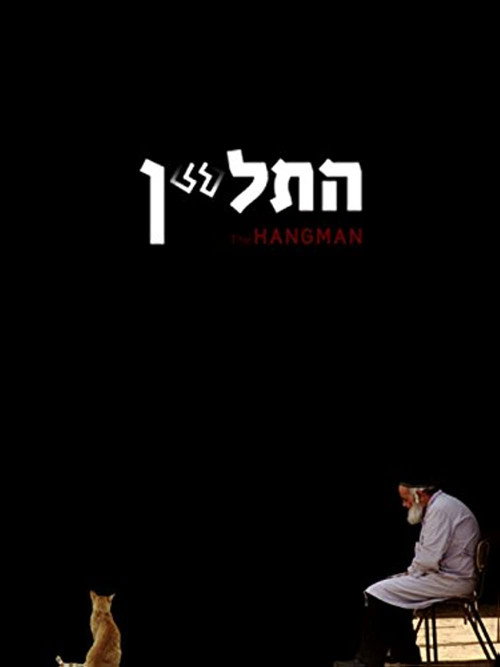
The life of Shalom, The Nazi major officer Adolf Eichmann's hangman, turned ritual slaughterer, encapsulates the story of Israel from the perspective of the 'other'- the marginalized Sephardi prison warden who is forced to do the dirty work of hanging the arch enemy and thus to carry a national burden that dramatically shaped his life. His job in the abattoir, together with his memories of his past, create a fascinating and complex portrait. His voice, yet unheard, from the edge of Israel's historical events, reveals new insights through his unique perspective. Shalom's clear, alternative voice from the margins of society carries a deeply humanistic universal message.