Loading titles…
Ele mesmo
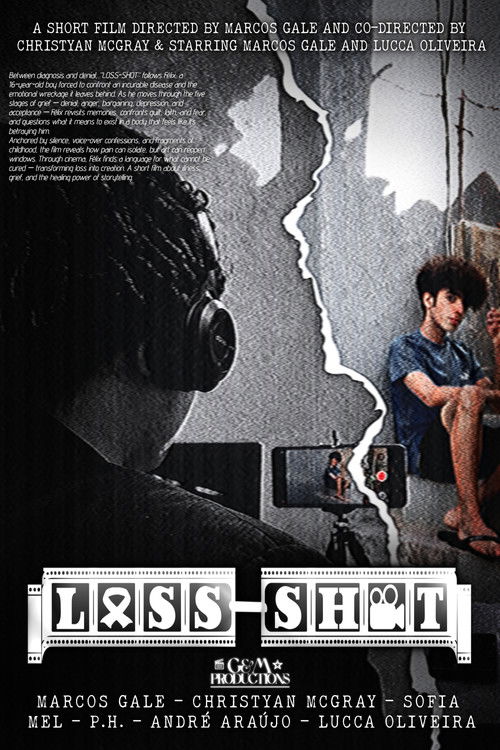
Felix, a 16-year-old boy, receives a diagnosis of an incurable disease and sees his life turned into uncharted territory. Unable to accept this new reality, he goes through the stages of grief denial, anger, bargaining, depression and finally, a delicate beginning of acceptance. Amidst the emotional chaos, Felix finds an unexpected refuge in filmmaking. Films begin to offer not only comfort, but a new way of seeing the world and himself. It is then that his passion is born: telling stories. Driven by the need to give meaning to his life, he decides to transform his journey into art and begins to write and direct a film about his own life.
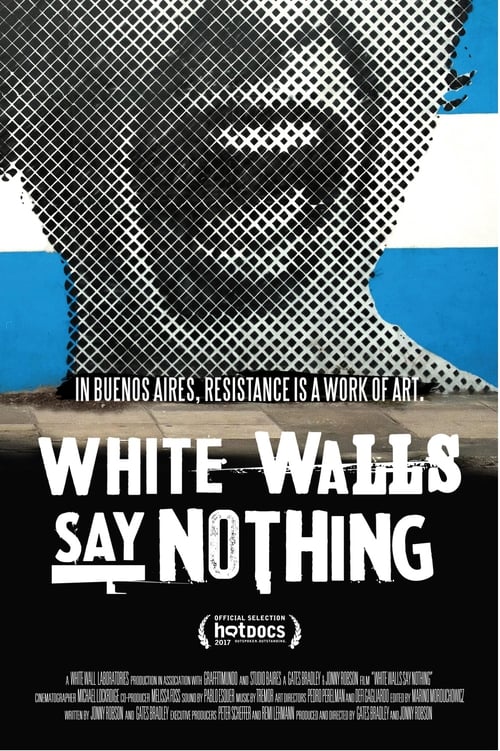
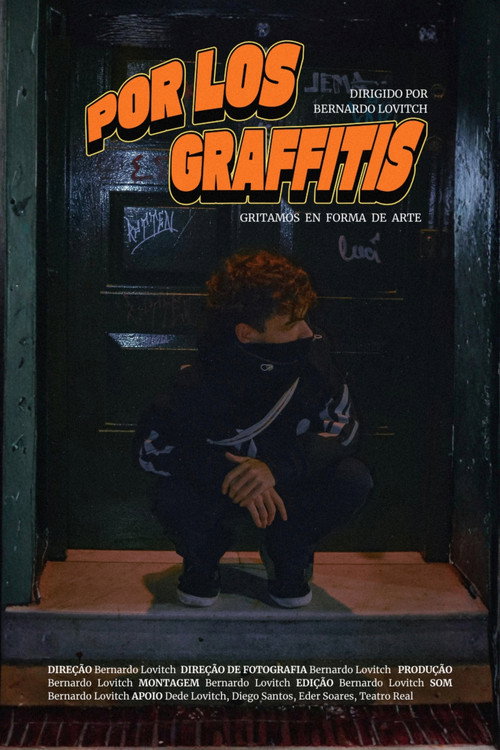
Buenos Aires is a complex, chaotic city. It has European style and a Latin American heart. It has oscillated between dictatorship and democracy for over a century, and its citizens have faced brutal oppression and economic disaster. Throughout all this, successive generations of activists and artists have taken to the streets of this city to express themselves through art. This has given the walls a powerful and symbolic role: they have become the city’s voice. This tradition of expression in public space, of art and activism interweaving, has made the streets of Buenos Aires into a riot of colour and communication, giving the world a lesson in how to make resistance beautiful.
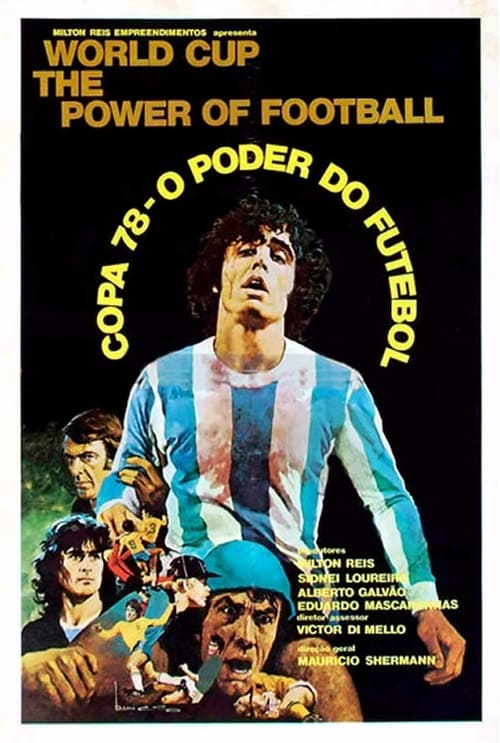
Documentary about the Football World Cup held in Argentina in 1978, focusing on the competition and behind the scenes of the most important soccer competition in the world. Two versions of the 1978 official film exist, the first "Copa 78 - O Poder do Futebol" was made by Brazilian directors Maurício Sherman and Victor di Mello in 1979 but was later withdrawn by FIFA because of its controversial content. The film includes an interview with Rodolfo Galimberti, one of the leaders of the Montoneros guerrilla group and also made accusations that the Argentinian competition organisation committee had deliberately hindered Brazilian chances of success by tampering with the pitch at Mar del Plata.
Carlos Carreto, photographer, and María Fernández, painter, join forces to bring forth the exhibition “Océano Negro”. A brief journey not only through their work, but also within themselves. An excuse to talk about water in all its forms and provocations. Rain, clouds, reflections, distortion... everything is water to be shaped with the gaze.
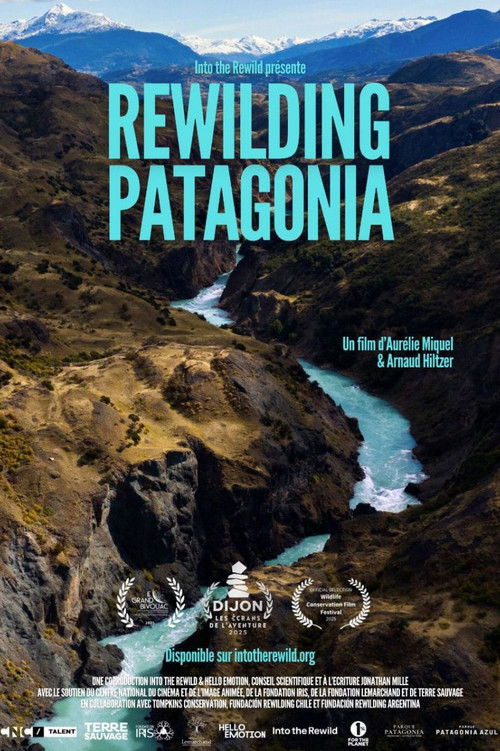
This is one of the most beautiful rewilding stories of our time, that of Douglas and Kristine Tompkins, a couple of successful entrepreneurs – The North Face and Esprit – who decided to dedicate themselves to protecting vast territories in Patagonia. The results of their actions are astounding: in 30 years they enabled the creation and expansion of 18 national parks between Chile and Argentina, covering a total area of 7 million hectares, equivalent to the size of a country like Ireland. By transforming these spaces and reconstructing natural ecosystems, the development of these parks has also enabled the creation of social bonds, developed a new form of economic activity, brought forth a political space, and contributed to strengthening the population’s sense of belonging to their territories.