

Loading titles…

Aravind
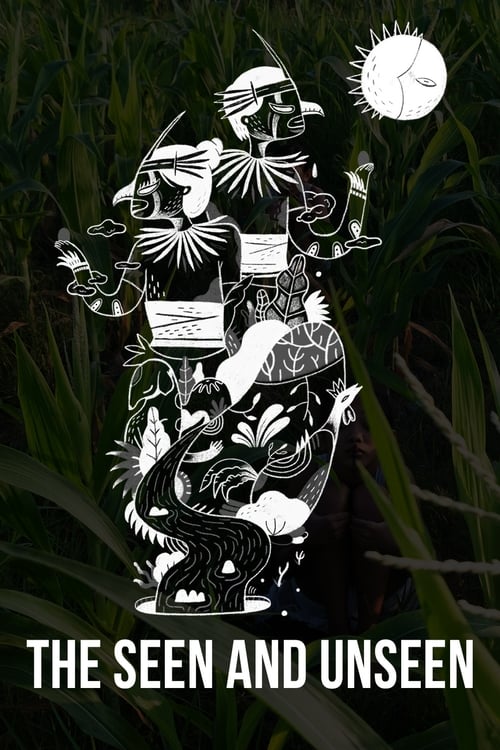
Tantra and Tantri are inseparable. When they secretly steal eggs from the family’s sacrificial offering, Tantri always gets the whites and Tantra the yolks. One day, however, the yolk is missing, as is Tantra. Her brother gravely ill and in hospital, Tantri starts slipping into magical parallel worlds, approaching the inevitable farewell through costumes, body paint and dance. When at one point Tantri’s mother washes the paint from her face, it is as if tenderly to expel the illusion that things can remain as they are. In long dream sequences and against the background of the Balinese philosophy of sekala – the seen – and niskala – the unseen – Andini relates how one ten-year-old girl deals with parting and grief.



The small village of Hysvik has been world champion in fishing for generations, making it the only thing that children, adults, and the elderly care about. In the film, we meet Bjørnar (60), who carries a secret. He dreams of becoming a postman. But how will he manage that in a village where nothing but fishing is allowed? 7180 Hysvik is a funny, sincere, and heartwarming short musical film, submitted as Lene Nilssen Viken's bachelor's project at NSKI."
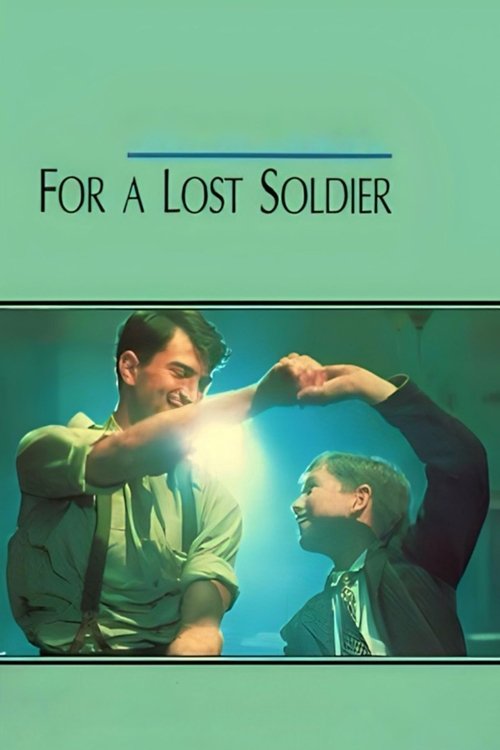
In the occupied Netherlands near the end of WWII, a young teenager, Jeroen Boman (Maarten Smit) is sent to the Dutch countryside to avoid the war in Amsterdam. While living with his adopted family, Jeroen meets and becomes friends with a Canadian soldier named Walt Cook, who is stationed at the same town he is staying at. Joroen and Walt spend a lot of time playing around and eventually a romantic relationship develops between them. The boy’s sexual curiosity leads him to have a sexual experience with Walt, an encounter that is shown with some vague detail but without actually showing any nudity, even though sexual intimacy between the two of them is implied. Overall, the movie handles this difficult subject with an elegant style and feeling, without having the adult-child relationship overwhelm the viewer and thus allowing the movie to be seen as just a wartime relationship between two people that marks an important time in a young boy’s life.

In ‘what does it feel like to live inside a pomegranate?’ Iranian-American filmmaker Kamyar Mohsenin transforms a giant pomegranate into a portal. The protagonist ambiguously consumes the fruit in interludes, reflecting the tension between nourishment and the discomfort of engaging with one’s cultural heritage.