Loading titles…
Documentary
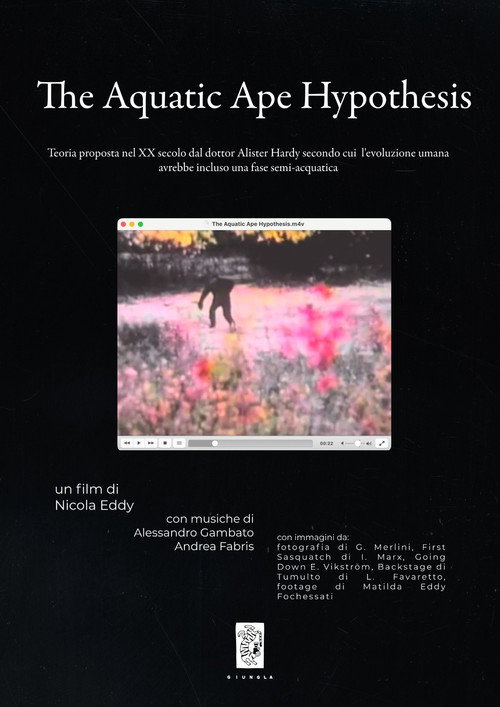
A random apparition leads to the aquatic ape theory, an unproven evolutionary hypothesis that imagines an amphibious origin of humans. The idea of a certain origin is called into question, and if we cannot verify the past, on what do we base the future?
No cast information available.
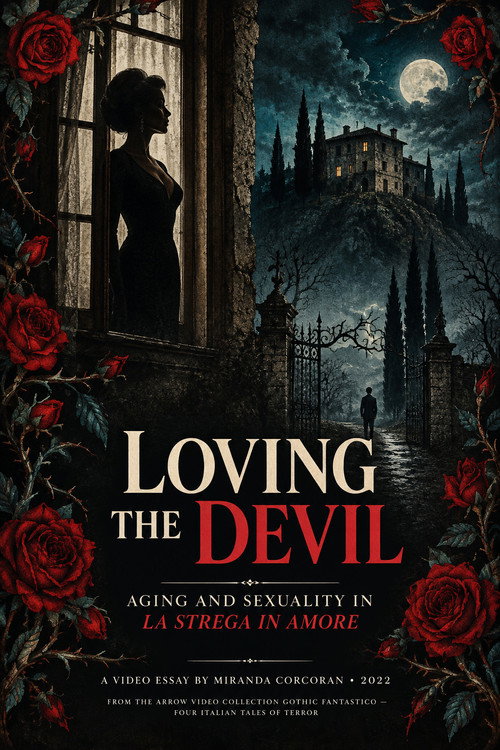
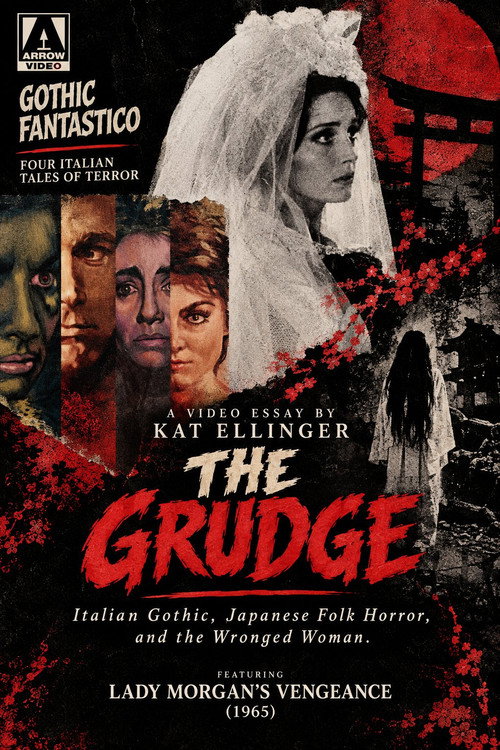
Video essay on the "The Witch" (1966) by author and academic Miranda Corcoran. Corcoran places the film within wider histories of witchcraft and witch imagery, including: Folklore and real-world witchcraft traditions, Witches as figures in popular culture, The film’s treatment of sexuality, femininity, desire, aging, and the supernatural, How those ideas illuminate Damiani’s unusual Italian Gothic film, centered on Sergio’s encounter with the mysterious Aura [Included on the Arrow Video "Gothic Fantastico - Four Italian Tales Of Terror" blu-ray box set.]
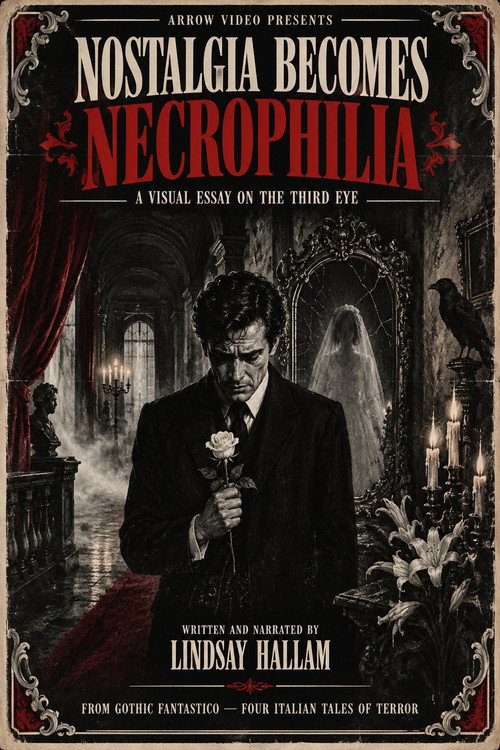
A video essay on the film, THE THIRD EYE (1966), where author and filmmaker Lindsay Hallam examines the film’s psychological and Gothic dimensions—especially its patterns of jealousy, obsession, eroticism, death, and preservation. The essay considers how the movie’s visual style extends melodramatic and Italian Gothic conventions, rather than simply recounting the plot. [Included on the Arrow Video "Gothic Fantastico: Four Italian Tales of Terror" Blu-ray box set.]
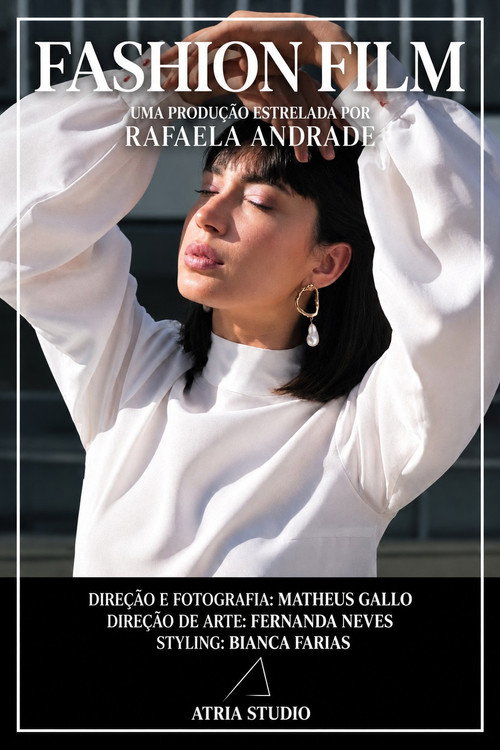
Created by Rafaela Andrade, this fashion film explores contemporary fashion compositions and urban aesthetics through striking architectural locations. Directed and filmed by Matheus Gallo, the visual narrative highlights the elegance and textures of the garments, blending detailed close-ups of accessories with monumental urban backdrops. Art directed by Fernanda Neves and styled by Bianca Farias, the project serves as a sophisticated visual portfolio celebrating a collaborative creative vision.
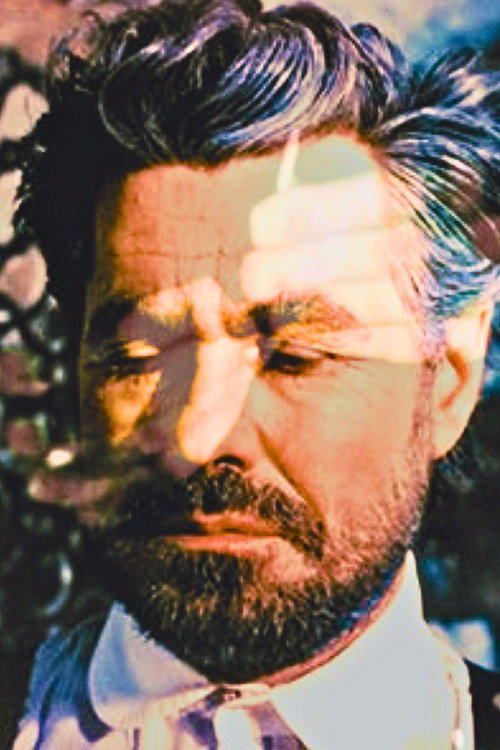
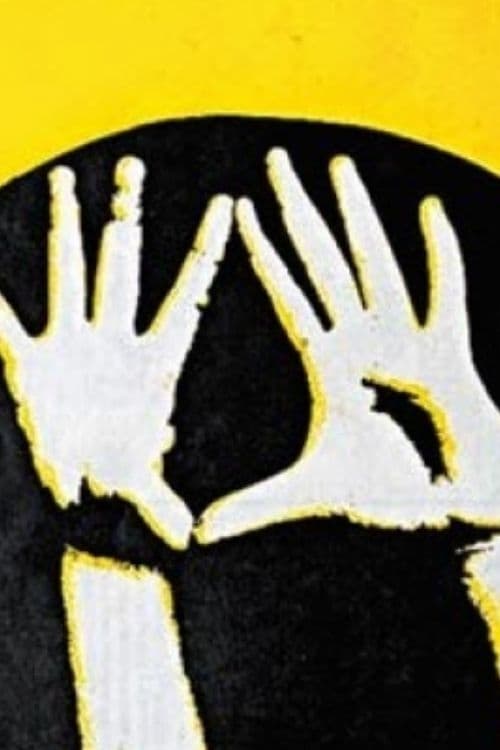
Letter to the Young Intellectuals of Hong Kong is a 35mm film that utilised and appropriates footage from a documentary Henry Moore exhibition in Hong Kong, through over-dubbing, painting directly onto the film and other gestures, Mok turns the material into an incendiary address to Hong Kong's youth. Intercut with newly filmed material creates, the film also functions as a personal diary of Mok's political activity throughout the 1970s.