Loading titles…
Mia Carbon
Benjamin Sangbijou
Sprayer
Amy
Verkäufer
Cardholder
They sew our clothes, tan leather for shoes and bags. Twelve hours of work, every day. Despite this, the people in the supplier countries are often desperately poor. How does this poverty come about? Manfred Karremann explores this question using the example of Bangladesh, where much of what we use every day is produced. Bangladesh is the second largest textile producer in the world after China. The main reason for the poverty: goods are produced incredibly cheaply in Bangladesh. About nine cents an hour is paid for the dangerous work in a tannery. The seamstresses in the textile factories get a little more. Just enough to survive. Because that's what it's all about for the men, women and children who do any job, for any wage.
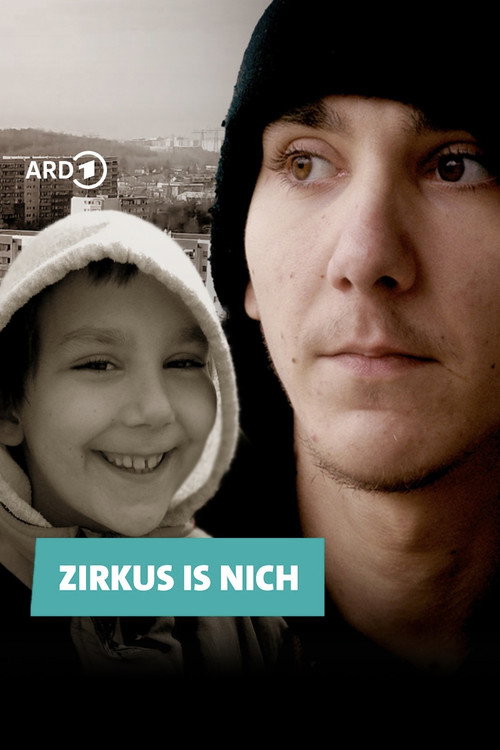
Life is by no means easy for eight-year-old Dominik from the Berlin district of Hellersdorf. Living with his younger brother and sister and his single mother, he finds himself constantly torn between his sense of responsibility ty to the family and his own desires as he struggles to make his own life. This documentary portrait of Dominik accompanies him during the ups and downs of his daily life.

Publishing assistant Brett Eisenberg wants to be a big-time editor. However, she lacks self-confidence, a problem that isn't helped by her new, overbearing boss. Brett soon enters into a relationship with Archie, an older man who has plenty of his own issues, including alcoholism, diabetes and a difficult relationship with his daughter. Intent on helping Archie get past his problems, she turns to her dying father for advice.
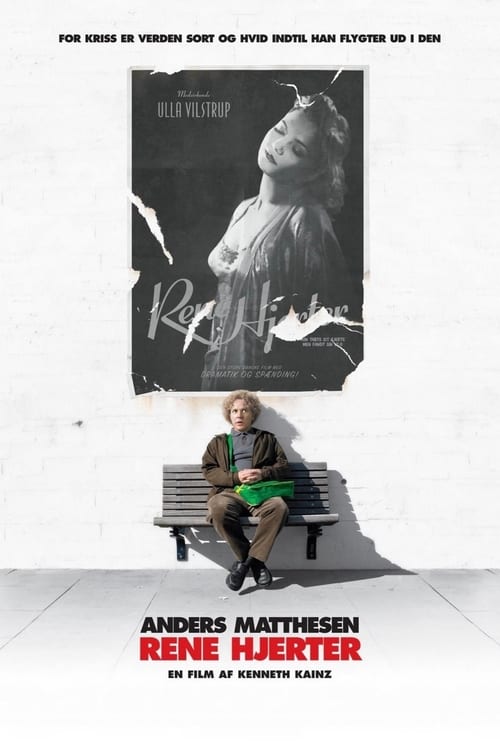
To the mentally ill Kriss, the world is divided up into 'good and evil', just like in the old B&W melodrama, 'Pure Hearts', which Kriss and his fellow patient, Willy, spend their days repeatedly watching at the psychiatric ward. To Kriss this film is the bible. One day after a serious conflict with one of the hospital's other patients their viewing rights are retracted. Kriss is deeply frustrated by this, until he realises that Linda, the young girl in the film, actually exists in the shape of the film's star, the actress Ulla Vilstrup. Setting fire to the hospital, Kriss and Willy escape into the night, determined to find her, because life is what you make of it.
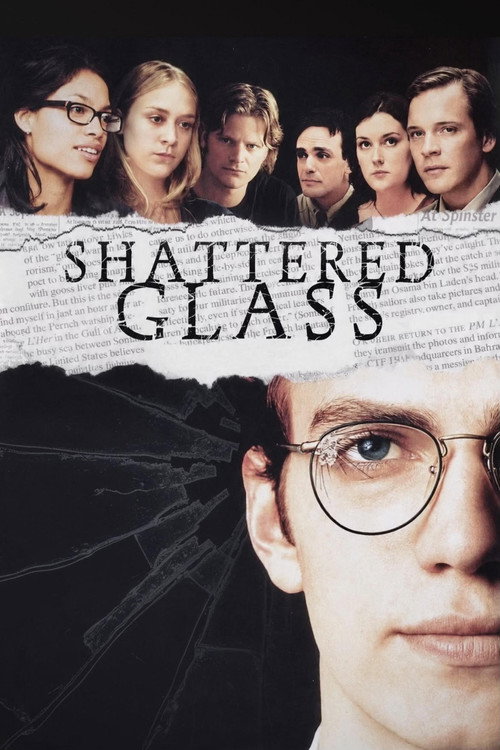
Stephen Glass is a staff writer for the respected current events and policy magazine The New Republic and a freelance feature writer for publications such as Rolling Stone, Harper's and George. By the mid-90s, Glass' articles had turned him into one of the most sought-after young journalists in Washington, but a bizarre chain of events - chronicled in Buzz Bissinger's September 1998 Vanity Fair article - suddenly stopped his career in its tracks.