Loading titles…
Documentary
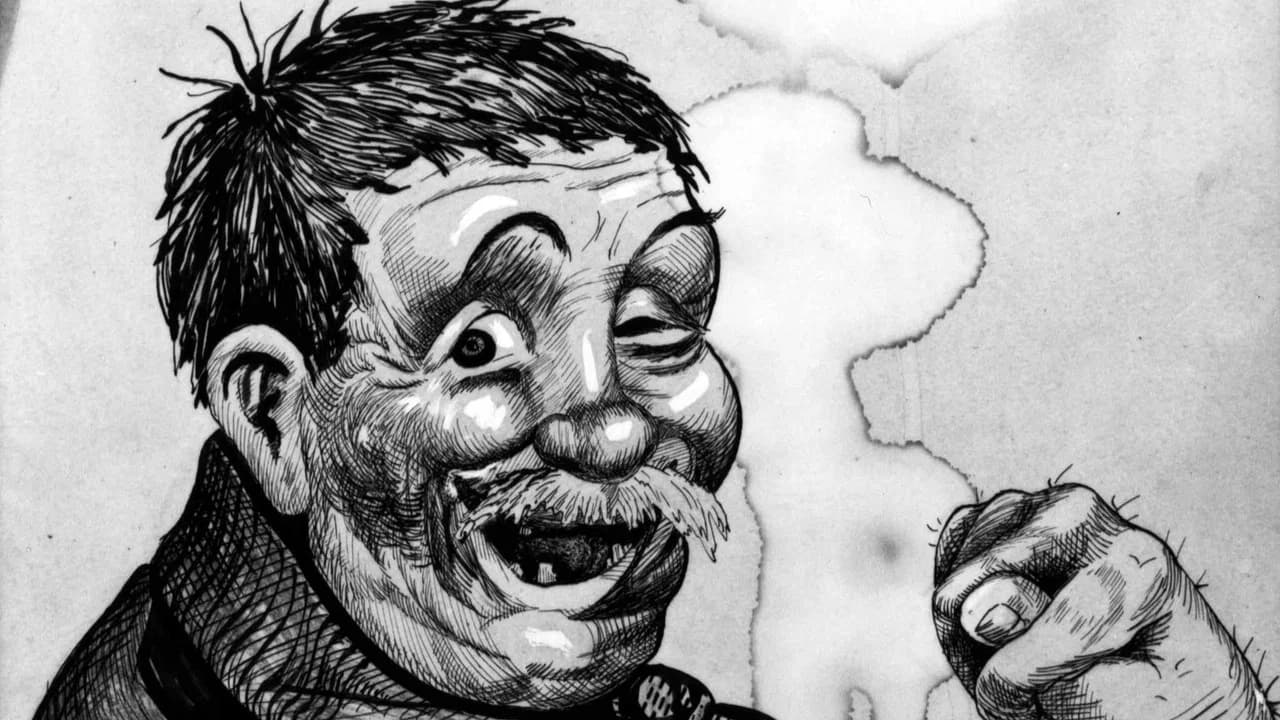
This short documentary profiles cartoonist, painter, humorist, publisher, iconographer, and teacher Jacob Maydanyk. Part of the first wave of Ukrainian immigrants who arrived in Canada between 1896-1914, Maydanyk was an imaginative artist who created the beloved comic strip…
Narrator
Character Voices
Character Voices
Character Voices
Character Voices
Character Voices
Self (uncredited)
This documentary examines some of the important events in Canada during the Depression years: the Moose River mine disaster, the great drought on the prairies and the introduction of a transatlantic air service between Canada and Europe. The film also looks at the major world events that influenced Canada: the abdication of the king of England; civil war in Spain; Hitler's rise to power and Canada's declaration of war on Germany. Part of the Between Two Wars series.
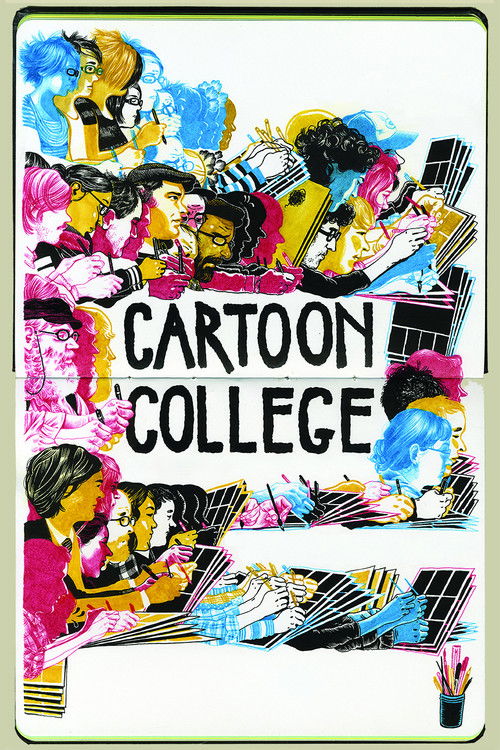
Every fall, The Center for Cartoon Studies invites 20 aspiring cartoonists to White River Junction, Vermont for a no-holds-barred education in comics. Those who complete the two-year program earn a Master of Fine Arts degree and are ready to face the hardship of a career in one of the world's most drudgery-inducing art forms. This is their story.
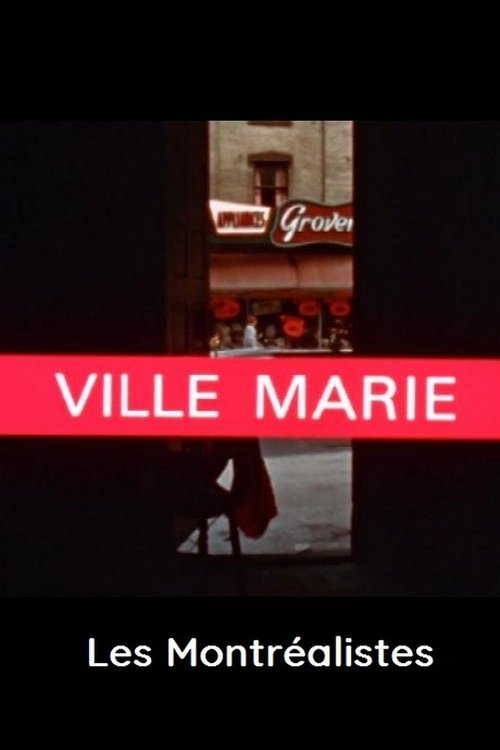
Today it is the city of Montreal, but 3 centuries ago the tiny band of missionary founders called it Ville-Marie, the holy city of Mary. This film goes back to its beginning and those who felt called to plant an oasis of Christianity in the North American wilderness. In an imaginative, at times almost surrealistic, way the film recalls the highborn company from France, and shows what survives of Ville-Marie in the Montreal of today.
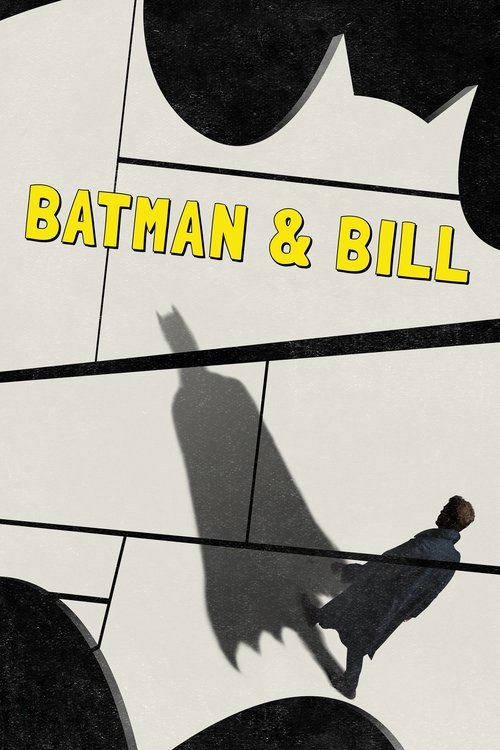
Everyone thinks that Bob Kane created Batman, but that’s not the whole truth. One author makes it his crusade to make it known that Bill Finger, a struggling writer, actually helped invent the iconic superhero, from concept to costume to the very character we all know and love. Bruce Wayne may be Batman’s secret identity, but his creator was always a true mystery.
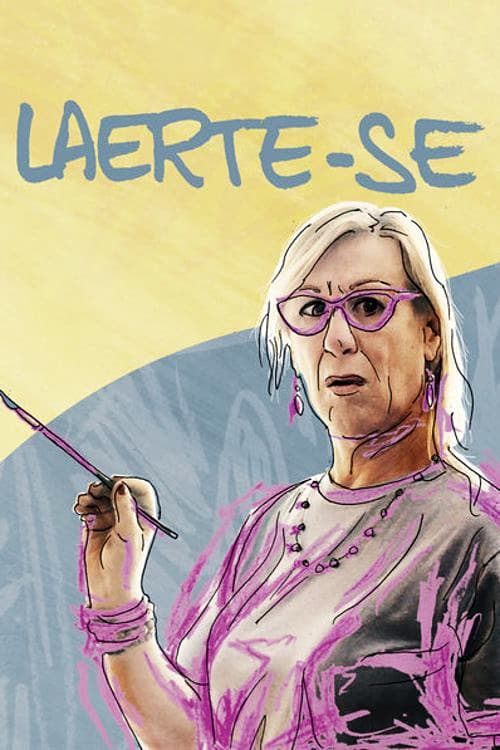
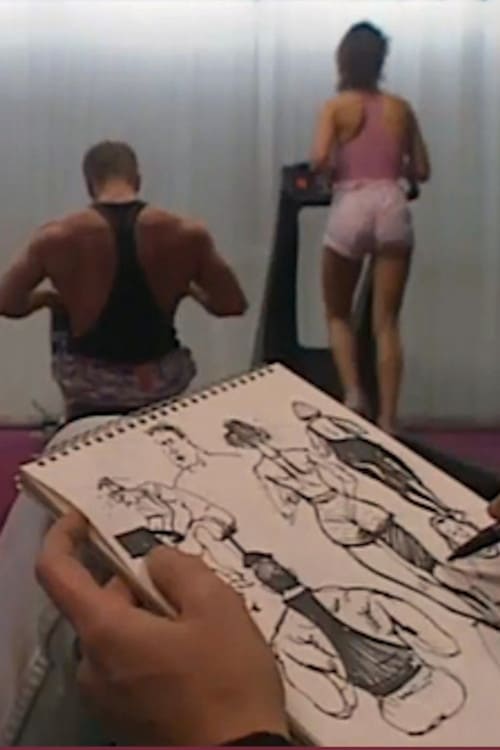
In this film, Laerte conjugates the body in the feminine, and scrutinizes concepts and prejudices. Not in search of an identity, but in search of un-identities. Laerte creates and sends creatures to face reality in the fictional world of comic strips as a vanguard of the self. And, on the streets, the one who becomes the fiction of a real character. Laerte, of all the bodies, and of none, complicates all binaries. In following Laerte, this documentary chooses to clothe the nudity beyond the skin we inhabit.
Between 1879 and 1986, upwards of 100,000 children in Canada were forcibly removed and placed into Indian Industrial Residential Schools. Their unique culture was stripped away to be replaced with a foreign European identity. Their family ties were cut, parents were forbidden to visit their children, and the children were prevented from returning home.
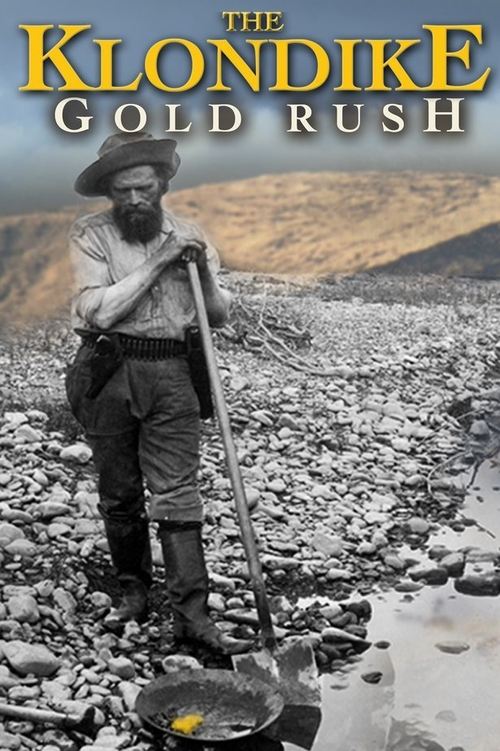
Renowned as the richest gold strike in North American mining history, the Klondike Gold Rush (1896-1899) set off a stampede of over 100,000 people on a colossal journey from Alaska to the gold fields of Canada's Yukon Territory. Filled with the frontier spirit, prospectors came and gave rise to what was one of the largest cities in Canada at that time - Dawson City. The boomtown, which became known as "the Paris of the North", earned the reputation as a place where lives could be revolutionized. Brought to life with excerpts from the celebrated book The Klondike Stampede - published in 1900 by Harper's Weekly correspondent Tappan Adney - and featuring interviews with award-winning author Charlotte Gray, and historians Terrence Cole and Michael Gates, The Klondike Gold Rush is an incredible story of determination, luck, fortune, and loss. In the end, it isn't all about the gold, but rather the journey to the Klondike itself.