

Loading titles…
No cast information available.

In the 1980s, young people of North African descent born in France and a priest from the Lyon suburbs organized the "March of the Beurs." Launched on October 15, 1983, by seventeen people from the La Cayolle neighborhood in Marseille following a racist crime, the march concluded two months later—on December 3—on the streets of Paris, with 100,000 participants. This movement demanded equal rights. Was their cry heard?

Jahan Jahan Charan Pade Raghuvar Ke (English title: Footprints of Lord Rama in His 14 Years Exile) is a 26-episode documentary web series retracing the 14-year Van Gaman of Lord Shri Ram as described in the Ramayana. The series follows the sacred route from Ayodhya to Lanka, documenting over 200 historically and culturally significant sites across India. Filmed on real locations rather than studio recreations, it captures authentic rivers, forests, caves and ashrams linked to Rama’s exile. The first phase covers Ayodhya, Shringverpur, Prayagraj and Chitrakoot, including Ram Ghat, Kamadgiri, Gupt Godavari, Sharbhanga Ashram, Suteekshan Ashram and Viradh Kund. Upcoming schedules extend through Dandakaranya (Chhattisgarh), Panchvati (Nashik), Kishkindha (Hampi) and Dhanushkodi. Produced by Pomy Films, the series is hosted and directed by international award-winning filmmaker Sunil Babbar, blending spiritual reflection with on-ground historical documentation.
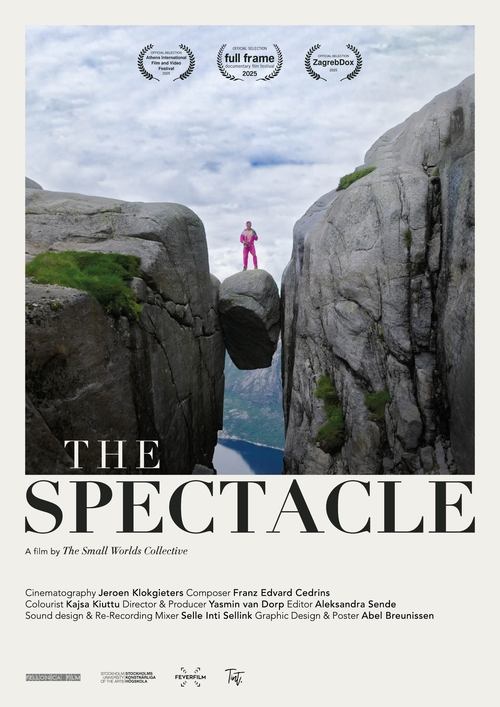
The Spectacle is a short reflective documentary that explores the world of modern tourism. Filmed in various locations across Europe, the documentary unveils the transformation of serene landscapes into bustling tourist attractions. What remains truly seen and felt amidst the curated snapshots of our adventures?


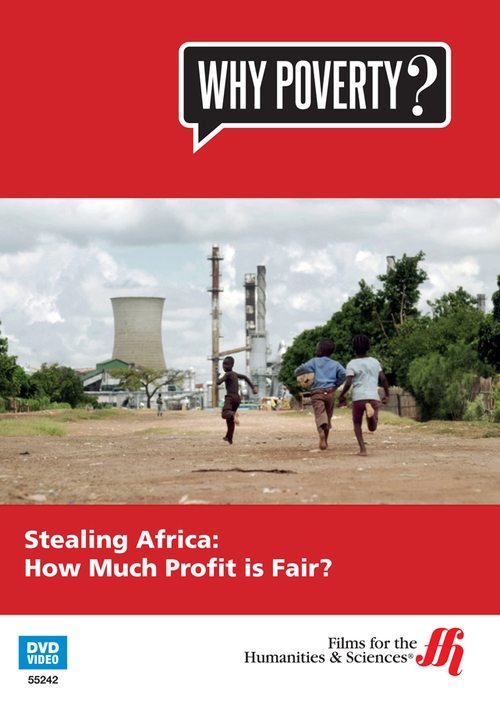
Zambia's copper resources have not made the country rich. Virtually all Zambia's copper mines are owned by corporations. In the last ten years, they've extracted copper worth $29 billion but Zambia is still ranked one of the twenty poorest countries in the world. So why hasn't copper wealth reduced poverty in Zambia? Once again it comes down to the issue of tax, or in Zambia's case, tax avoidance and the use of tax havens. Tax avoidance by corporations costs poor countries and estimated $160 billion a year, almost double what they receive in international aid. That's enough to save the lives of 350,000 children aged five or under every year. For every $1 given in aid to a poor country, $10 drains out. Vital money that could help a poor country pay for healthcare, schools, pensions and infrastructure. Money that would make them less reliant on aid.
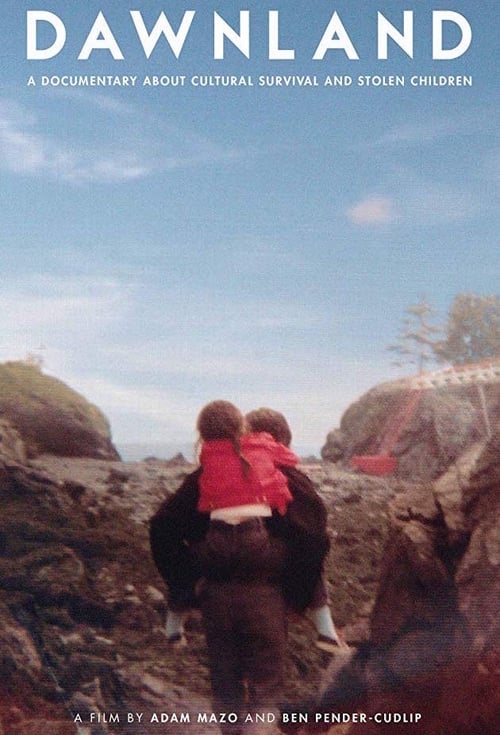
They were forced to assimilate into white society: children ripped away from their families, depriving them of their culture and erasing their identities. Can reconciliation help heal the scars from childhoods lost? "Dawnland" is the untold story of Indigenous child removal in the US through the nation's first-ever government-endorsed truth and reconciliation commission, which investigated the devastating impact of Maine’s child welfare practices on the Wabanaki people.