Loading titles…
No synopsis available.
No cast information available.
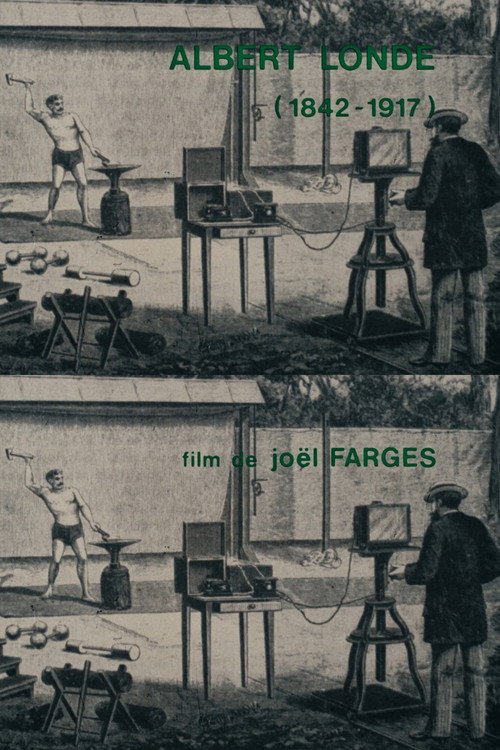
This extremely short film is dedicated to chronophotography, which—as is well known—is the prelude to cinema. As with one of my earlier films dedicated to Muybridge (The Naked Killer, 1982), this one was excavated from books and catalogues, that is, from typographic ink. I tried, in a certain sense, to reanimate the inanimable as does the photographer Duane Michals, having only, sometimes, three or four frames. I found older stroboscopic technology as well as more contemporary flicker effects to be very helpful here and there. I attempted to realize the cinematic identification of Skladanowksy with Avedon; contaminations, precisely, between creators of films and creators of photography, contemporary or not. It is surprising to see Michals, a contemporary photographer, bearing such a strong cinematographic resemblance to Londe, the proto-filmmaker. I hope, at least, to have told the story of their direct commingling, as if by a single secret author.
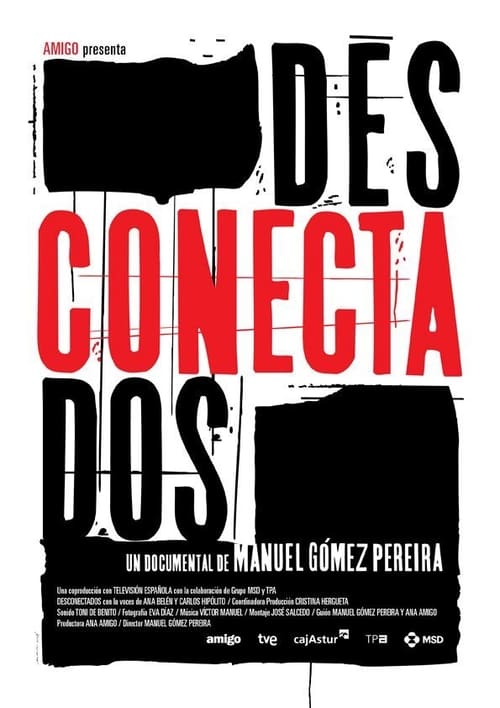
The TAC team of psychiatrists of Aviles city in Spain, can moved his practice anywhere: a park, supermarket, bar ... Their approach is unique and exemplary in their dealings with patients. Film divided into seven exciting and moving stories whose protagonists have received warm and effective support of these professionals.
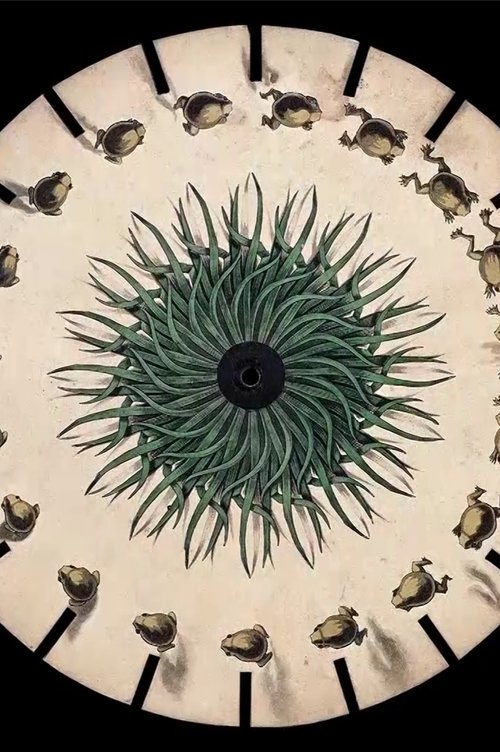
A patchwork of the first animated movies from the collections of La Cinémathèque française : Stroboscopic Discs (1833), Zoetropes (since 1867), Reynaud's Praxinoscope (1878-1879), plates of Muybridge and Anschütz (1880-1890), an unseen Marey's chronophotography (1889), Chromolithographs films (since 1897), including one inspired by the second Georges Méliès' film, "Une séance de prestidigitation" (1896), with a photographic version, unseen until now.
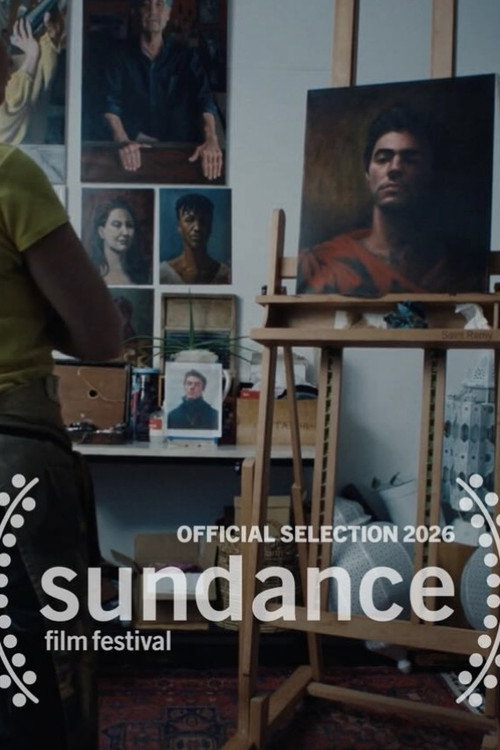
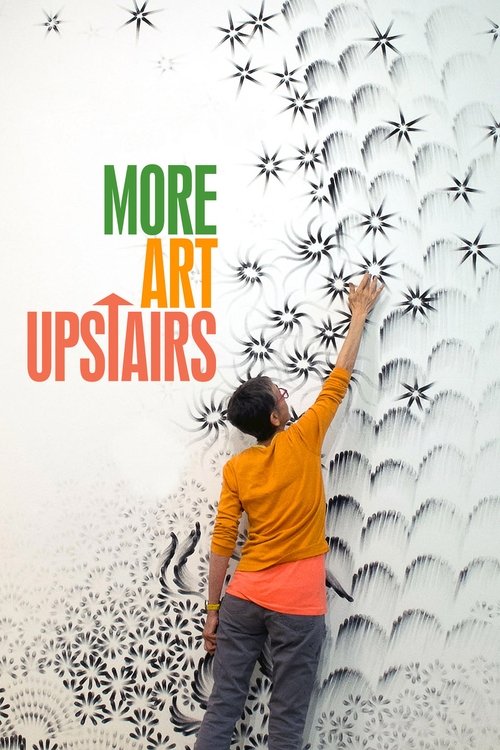
A revolution is taking place in the art world and it isn’t happening in Paris, Berlin or Hong Kong—but in Grand Rapids, Michigan. ArtPrize is the most highly attended art show in the world, and it awards cash prizes larger than all other competitions combined. International critics and general crowds pack bars, galleries and abandoned buildings all over town, taking in over 1,500 works from cerebral conceptualists and weekend hobbyists. An acclaimed jury awards a winner $200,000 and the ballot-carrying public does the same. Nimble cameras follow four artists, each vying not only for critical recognition but for every public vote they can drum up. Part classy game show, part engaging art exploration, More Art Upstairs captures the debates ArtPrize has intentionally (or inadvertently?) triggered: Can culture be democratized? Do artists need or want to connect with audiences? And is the canonical art establishment on its way out? (Myrocia Watamaniuk)