
Loading titles…
Music / Drama
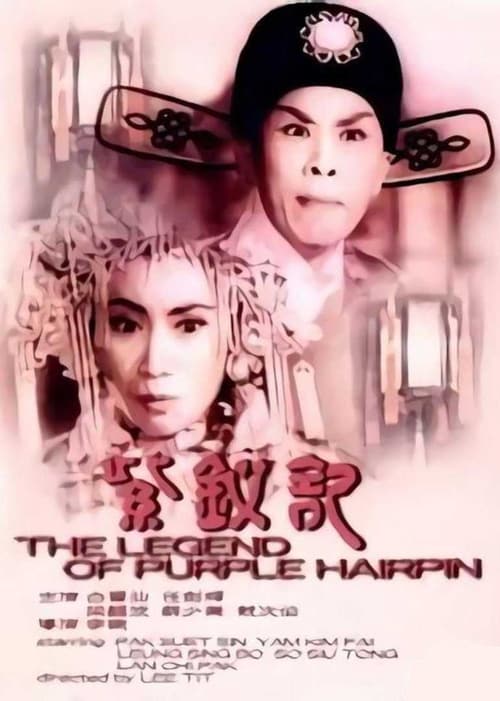
An adaptation of Tong Tik-sang's now-legendary Cantonese Opera piece, the film features divas Yam Kim-fai and Pak Suet-sin (left with Yam), who play the story's lead lovers, and Lan Chi Pak, the sinister official who tries to break up the relationship. Leung Sing-po plays the…

Yi Li
Huo
Cast
Cast
Cast
Cast
Cast
Cast
Cast
Cast
Cast
Cast
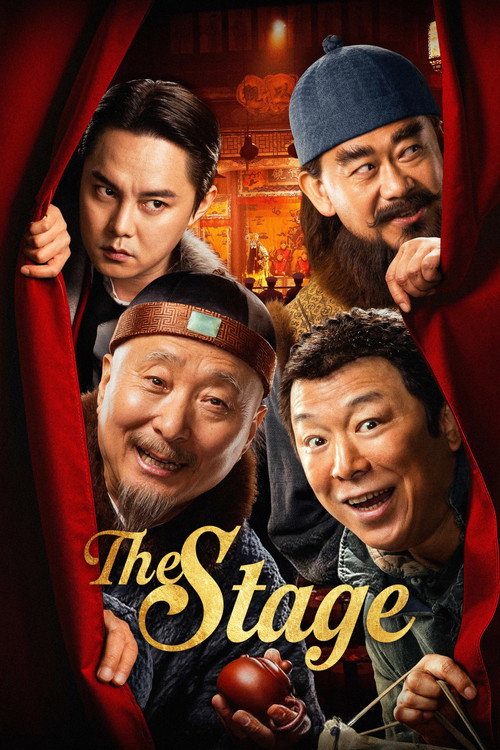
During the Republican era, wars and conflicts were frequent. On stage, the "Overlord" sings with resounding passion, while below, the absurd spectacle of life unfolds. They must both secure the opera troupe's livelihood and appease the audience in their seats. Once the curtain rises, how should this play be performed?
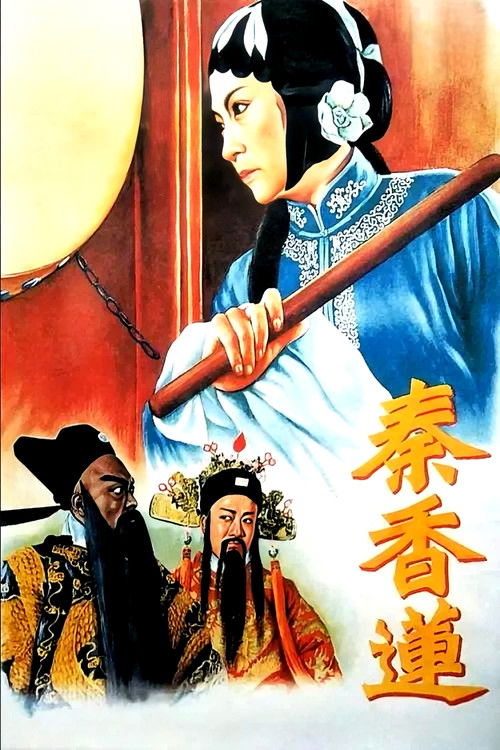
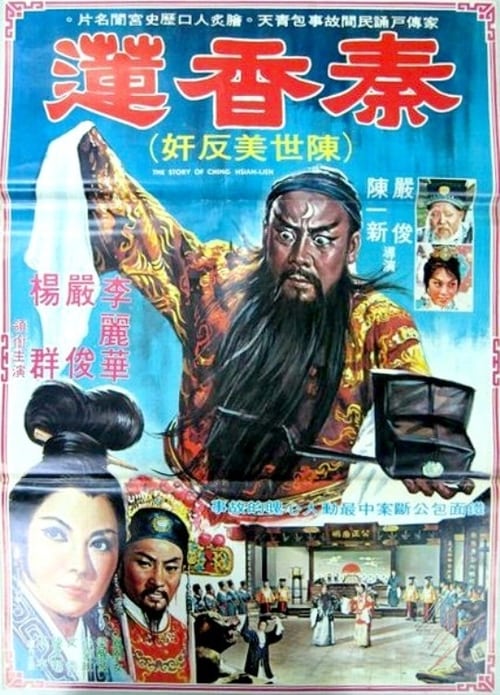
Qing (i.e. Qin) Xianglian was the wife of a man named Chen Shimei, who won the first title of national examination and awarded as husband of the emperor's daughter. Then Qing (i.e. Qin) sues Chen as a murderer who plans to kill his wife and son. In spite of the royal power, gownsman Bao Zhen settles the lawsuit and sentences Chen to serve his head.

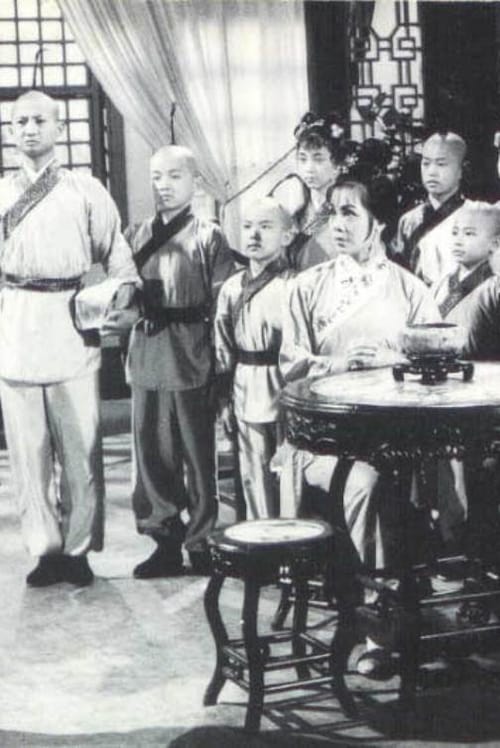
Centring on the legend of the four ancient Chinese heroines, the film was a novelty for audiences at the time, as the singing performance was in Cantonese and used huangmei operatic rhythms—a popular trend in the 1960s, yet it retained traditional flavours by using operatic luogu percussion in the battle scenes. ‘Movie-fan princess' Connie Chan Po-chu not only sings Cantonese song and huangmei tone solos in the film, she also wows the audience by taking up the doumadanrole for the first time as the Tang dynasty female general Fan Lei-fa, showing off her superb operatic martial skills, together with Shum Chi-wah, inherited from Peking opera master Fen Ju Hua. Yu Kai's weaponry prowess and renowned female comedian Tam Lan-hing cross-dressing as a male general are also brilliant in this gem.
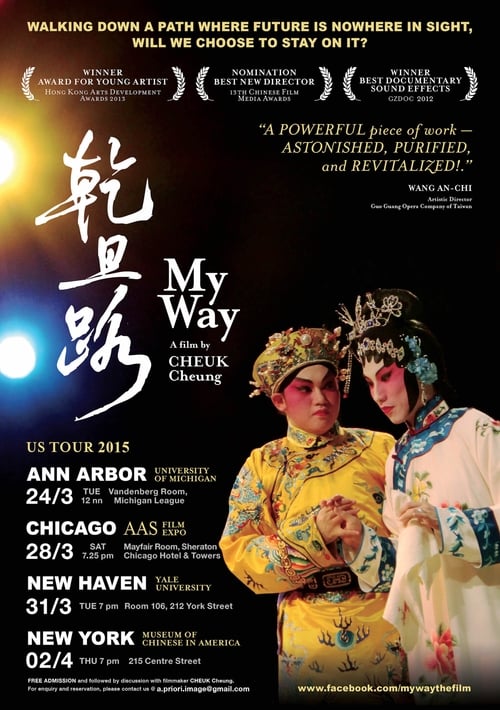
When facing a path with no future or precedent success, will we ever choose to stay? Cheuk Cheung’s My Way explores the Cantonese Opera tradition of male Dan performers, men who play female roles, against the backdrop of a Hong Kong society increasingly putting less value on art. Although female performers have long been part of the mainstream of Cantonese Opera, the film follows the stories of two young men who are still fascinated by the art of the male Dan, striving to find their own way to carry on the practice. A moving and searching look at the struggle for identity, My Way is a colourful, musical and moving film which offers a unique and highly personal look at perseverance in the face of a changing society.
This is the first 16mm Cantonese film in full colour, shot on 1940s state-of-the-art Technicolor film stock. Opera star Man-ha (Leung Bik-yuk) enjoys tremendous popularity during her performances in San Francisco, but drowns herself in the vices and temptations of the big city. Increasingly, she fails to show up for performances, almost causing the theatre to go bankrupt. When she sees her lover for the scoundrel that he is, she also sees the errors of her own ways and saves the theatre, restoring it to glory. Joseph Sunn Jue established the Grandview Film Company in Hong Kong during the 1930s and continued making films in the USA during wartime by collaborating with Chinese opera performers in exile there. Wong Hok-sing, an opera actor himself, directed, wrote and starred in this film. He staged a spectacular play-within-a-play at the end, not only to promote the art of Cantonese opera but also to boost solidarity among overseas Chinese through difficult times.
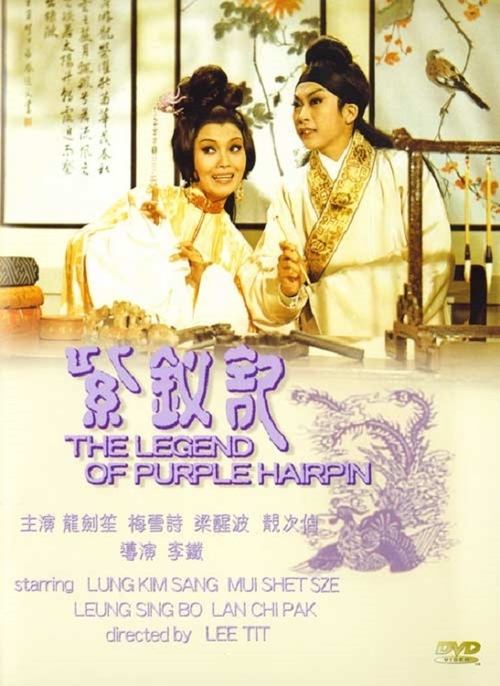
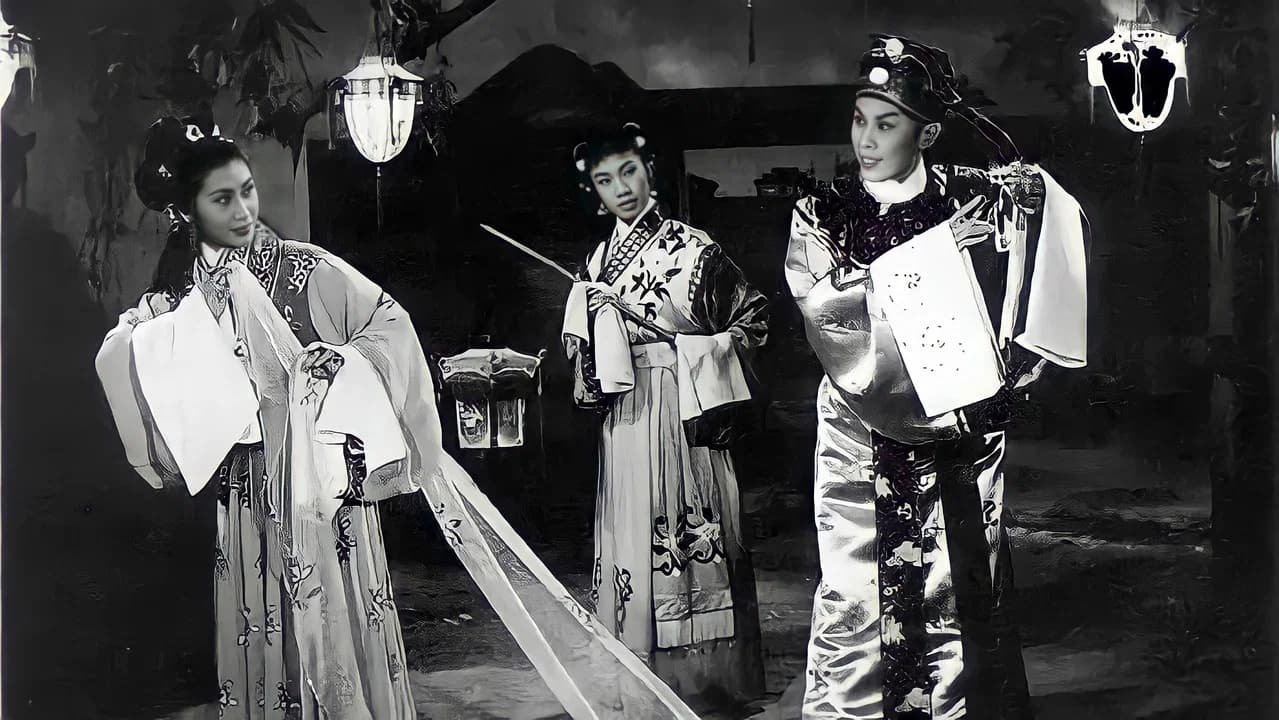
Based in Chinese opera, the film tells the story of a young scholar in the Tang Dynasty, Li Yi who travels to the capital Changan to take the national civil examination. During the Lantern Festival, he encounters Huo Xiaoyu in the night market and picks up the purple hairpin she leaves behind by chance. Using the hairpin as a token of love, Li proposes to her on that same night. However, “the course of true love never did run smooth.” With the assistance of a mysterious man in the yellow robe (Huangshanke), together they have to fight against the wicked plot of Official Lu.
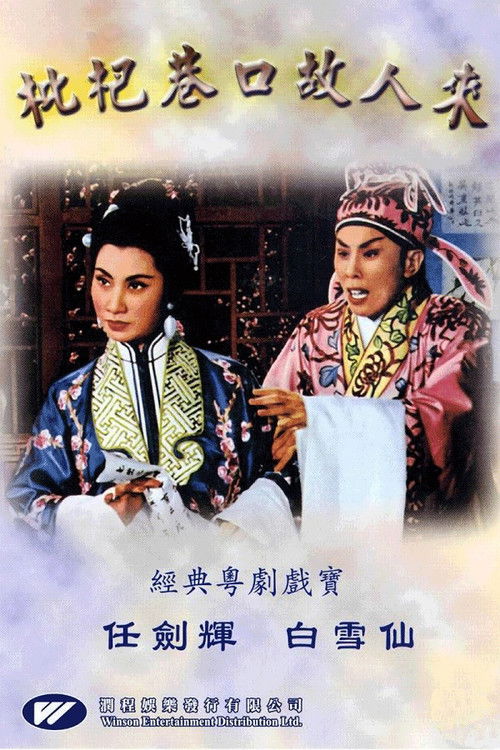
The Prime Minister's daughter, Kong Yeuk-mui, is attracted by the private tutor, Chow Yuk-pui. However, the Prime Minister despises Pui's lowly background and banishes him. Kong disowns her father, hoping to marry Pui when he achieves honours in the imperial exam. Meanwhile, Mui's brother Tak-chu prepares for the exam under Pui's tutorship. Pui and Chu, take the money Mui gives them and head for the capital. Unfortunately, Pui has himself fallen ill. Considering that the examination day is approaching, he gives all the travel expenses to Chu and urges him to set off. Mui resides at Loquat Alley, longing for Pui's honourable return. One day, she comes across a beggar, when she recognises it is Pui, her heart breaks. Chu who has newly been appointed Top Scholar, arrives and tells her sister the whole story. Nevertheless, Pui's sister is chosen to be the imperial concubine. Benefiting from this bond, Pui becomes the Royal Brother and works as the court secretary and weds Mui.