Loading titles…
Rigo
Papelito

Panama’s strategic geographic position has long been its greatest economic asset, with the Canal serving as the cornerstone of its development. Yet for decades, control of this vital waterway remained in the hands of a foreign power. Through interviews with residents of Panama City, Una bomba a punto de estallar (1977) captures the hopes, doubts and political sentiments surrounding the negotiation of the new treaties between Panama and the United States, offering a vivid portrait of a nation debating its sovereignty and future.
One year after the creation of the National Assembly of Community Representatives (1972), a new power structure established by the government, significant changes had taken place throughout the country. This documentary records the most important of these transformations, as well as the working methods of the Assembly. It follows the consultation tours organized by the Legislative Council, during which basic forms of grassroots organization are discussed at the community level. The film also draws a parallel between life in the countryside and in the city.
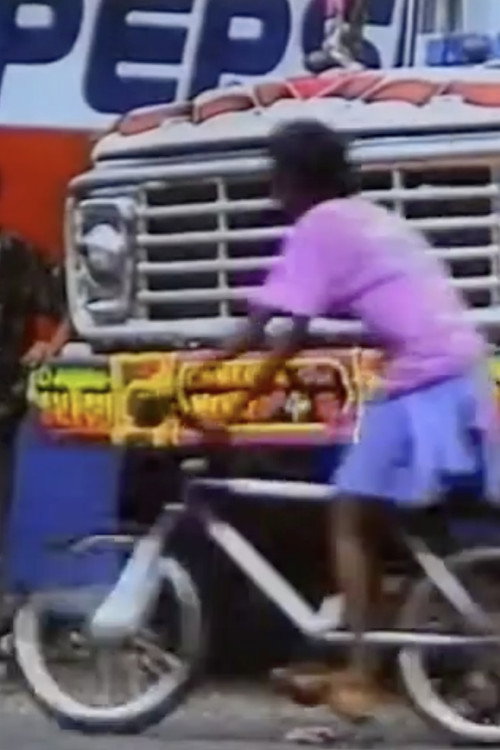

Kenneth is a charismatic character whose trade is taking pictures of his neighbours in Curundú. "An almost retired criminal" and also a man with a talent for storytelling. Through Kenneth and his pictures, the documentary talks about Curundú, one of the poorest and most marginalised neighbourhoods in Panama City.
For the first time, a painting contest is organized whose theme is the fight for Panamanian sovereignty over the Panama Canal. A primordial experience in the country, its executors, popular artists born in the bowels of the countryside and the city, provide an enriching testimony of their lived experiences in the face of colonialism.
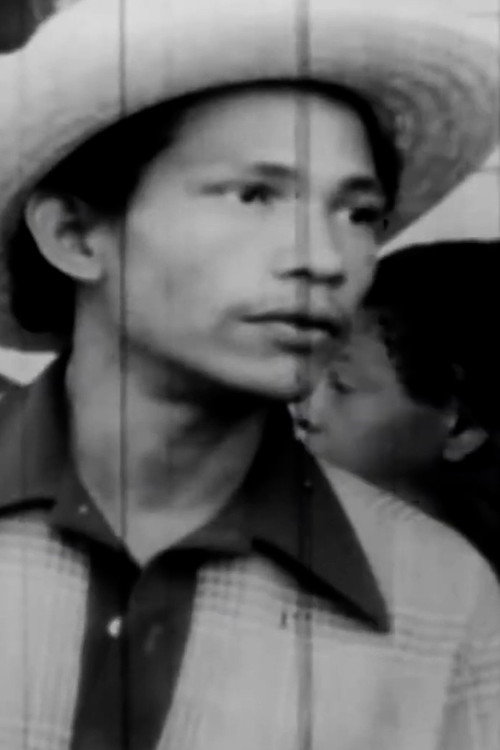
A musical group of young people from Viejo Veranillo perform protest songs in favor of the sovereignty of Panama. Set in 1976, a year before the signing of the Torrijos-Carter Treaties, the members of the group led by “Chirri”, vocalist and ukulele player, tell of their experiences in the neighborhood and their disagreements with the US military on the border that divided its community with the old Canal Zone.