
Loading titles…
Documentary / Horror
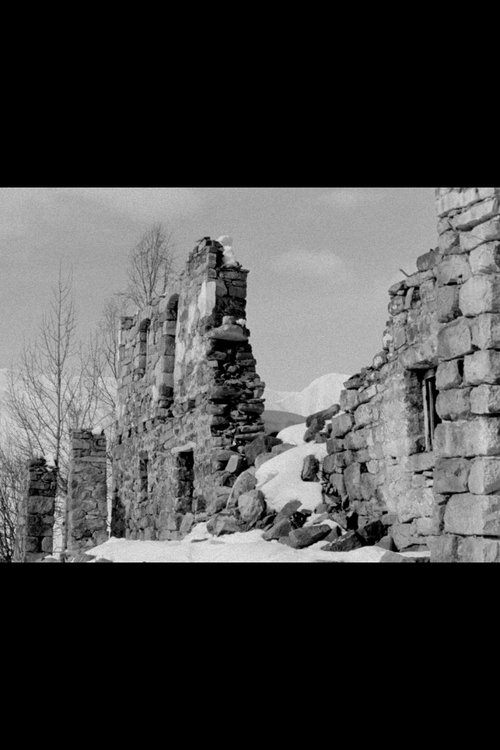
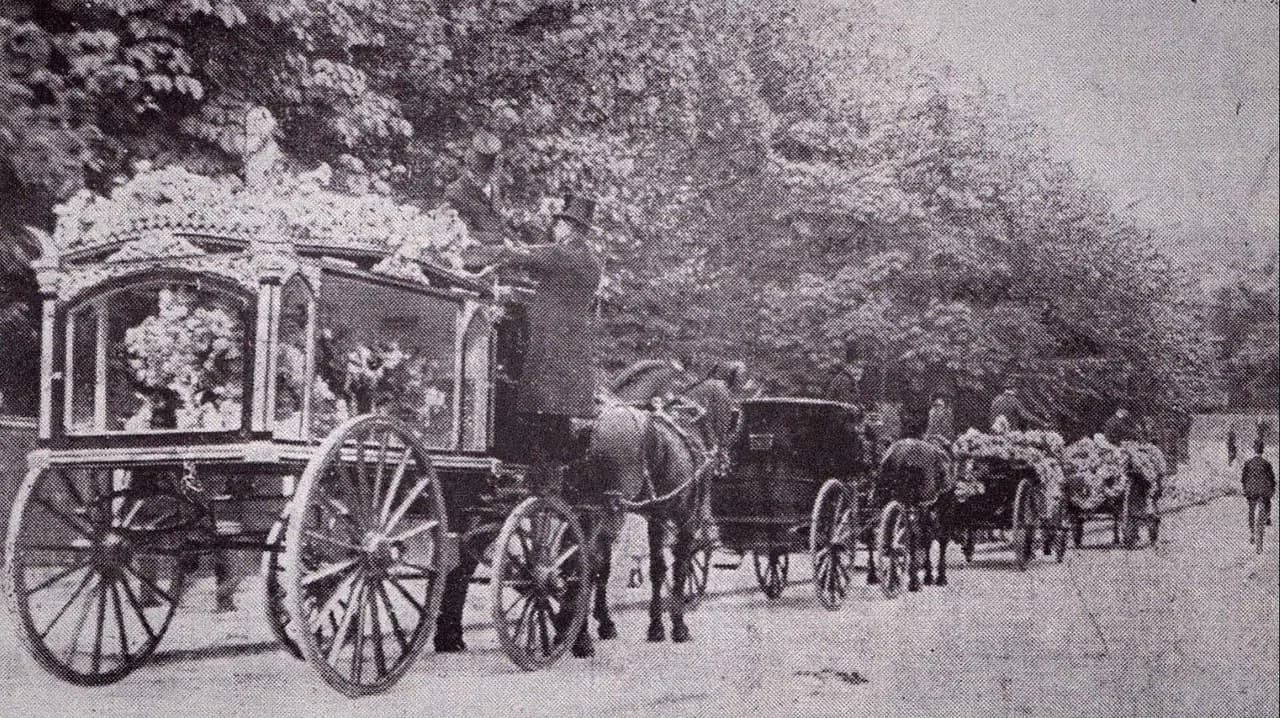
A visual essay on the trope of the wax/statue woman in Gothic horror by author and critic Kat Ellinger. She examines the film through “body Gothic”: the way Gothic horror turns women’s bodies into sites of beauty, vulnerability, illness, artistic display, medical exploitation,…
Narrator

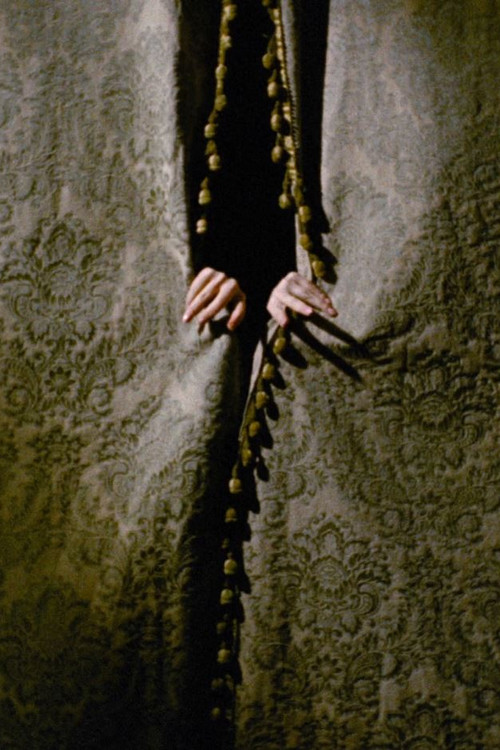
Drops of fire that create a universe of magmatic asteroids. Liquid and gravitational reality. Cosmic energy. Atomized Rhythm. Neurons of a liberated unconscious. Elimination of the idea of "soul" as "everything", reducing it to the condition of units of energy in perpetual process, elementary particles, without duration, that arise in perfect dependence. The "I" as a stream of units of force in ceaseless becoming that procures the illusion of an entity. Karmic chain. The idea that eternity resides in the transitory, the eternal belongs to it instantly. Eternity not as infinite duration but as absence of temporality. Universe of a mobile, procedural, relational and interactive nature of everything that exists. Here the "object" is conceived as something that is constituted, completed, lost and recovered with the vibrating rhythm of a universe in constant production.

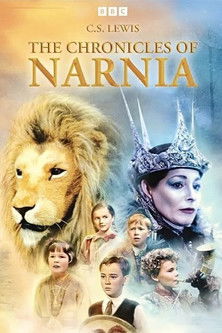
Return to Narnia is a nostalgic documentary that reunites the cast and crew of the BBC’s classic The Chronicles of Narnia adaptations nearly four decades after their original broadcast. Featuring interviews with almost 30 contributors — including all four Pevensie actors — the film revisits key filming locations, explores childhood memories from the set, and reveals how the beloved series was created with ingenuity despite limited resources. Cast and crew reflect on the challenges of bringing C.S. Lewis’s world to life, the production decisions that shaped the adaptations, and the lasting impact the series has had on fans and on their own lives. Blending behind-the-scenes stories, archival material, and warm reunion moments, Return to Narnia celebrates the enduring legacy of the BBC’s Narnia and the timeless magic that continues to draw audiences back through the wardrobe.

For its reproduction, the megaloprepus dragonfly specifically relies on periodic puddles in tree holes and bromeliacea in tropical rain forests. Territorial males tenaciously defend these resources. Females lay their eggs in the water holes of the territorial males and are guarded by them. Any satellite male - i. e., one without a territory - who tries to grab a female is driven away by the territorial male.
The film shows the prey-catching behaviour of the edible frog at a small garden pond and at a gravelpit. The catching of creeping and (under experimental conditions) hanging earthworms, of flies sitting on the surface of the water and of egglaying dragonflies (Sympetrum spec.) in tandem position are visible.