Loading titles…
Documentary
National Geographic joins author and explorer Piers Gibbon as he investigates one of mankind's ultimate taboos: cannibalism. Gibbon treks into the rain forest of Papua New Guinea to find tribe members who ate human flesh. And, meets the members of the once-feared Biami tribe to…
Narrator
It is a documentary, which submits to the public the most dramatic, subhuman situations in which men find themselves living in all corners of the world. From India to Brazil, from the African nations of the Sahel to Bolivia, the camera ruthlessly shows the images of a humanity marginalized in a thousand ways by the so-called"civil consortium".

Deep in Papua's tropical forests, the Northern Cassowary (New Guinea's largest native animal) remains an enigma—a creature rarely seen, yet vital to the ecosystem. Often regarded as dangerous, this large, flightless bird is crucial for forest regeneration through seed dispersal. With habitat loss and hunting threatening their survival, efforts to protect cassowaries are more urgent than ever.
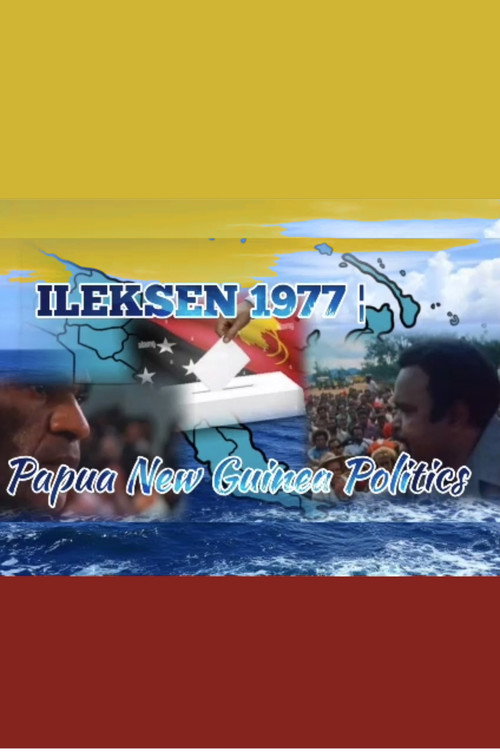
A companion to Yumi yet, O’Rourke and Kildea’s Ileksen (derived from the English 'election’) documents Papua New Guinea’s first general election in 1977. The film records a broad cross-section of candidates who, without an extended media network at their disposal, rely on relentless campaigning, ingenuity and personal charisma to attract votes. Emphasising the divide between coastal people and highlanders, Ileksen looks at the election campaign, election day and the political manouvering that goes with the formation of a government.
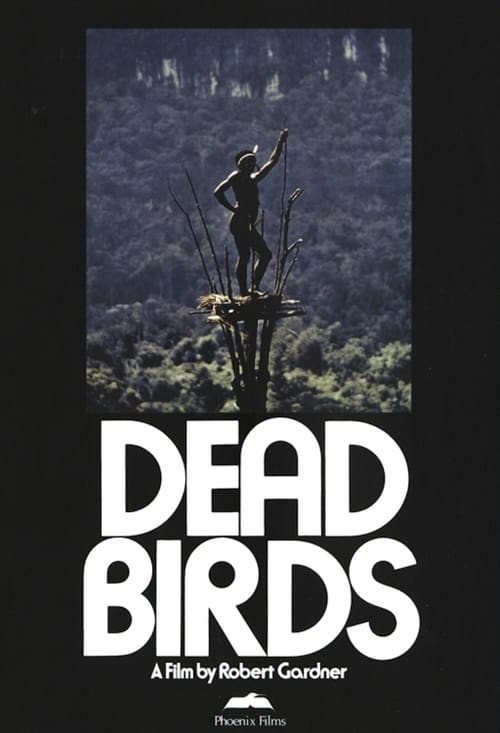


John Waiko is the first Papua New Guinea man to graduate with a PhD and be appointed a professor. He returns to the Binandere clan and his small village of Tabara in the Northern Province of PNG. Once there, he has to organise a celebration for his achievements with his family’s help. Since he has been away for most of his life, he has no recognised wealth in the village (the pigs used for gift giving), nor a network of supporters or knowledge of the preparation and rituals for having such a celebration. He wants the event to happen quickly but that’s not the way it works in Tabara. Man without pigs focuses on the antagonism aroused by the clash between traditional customs and Western values in this remote PNG community.