Takashi Shimura
Chief Goro Ishida
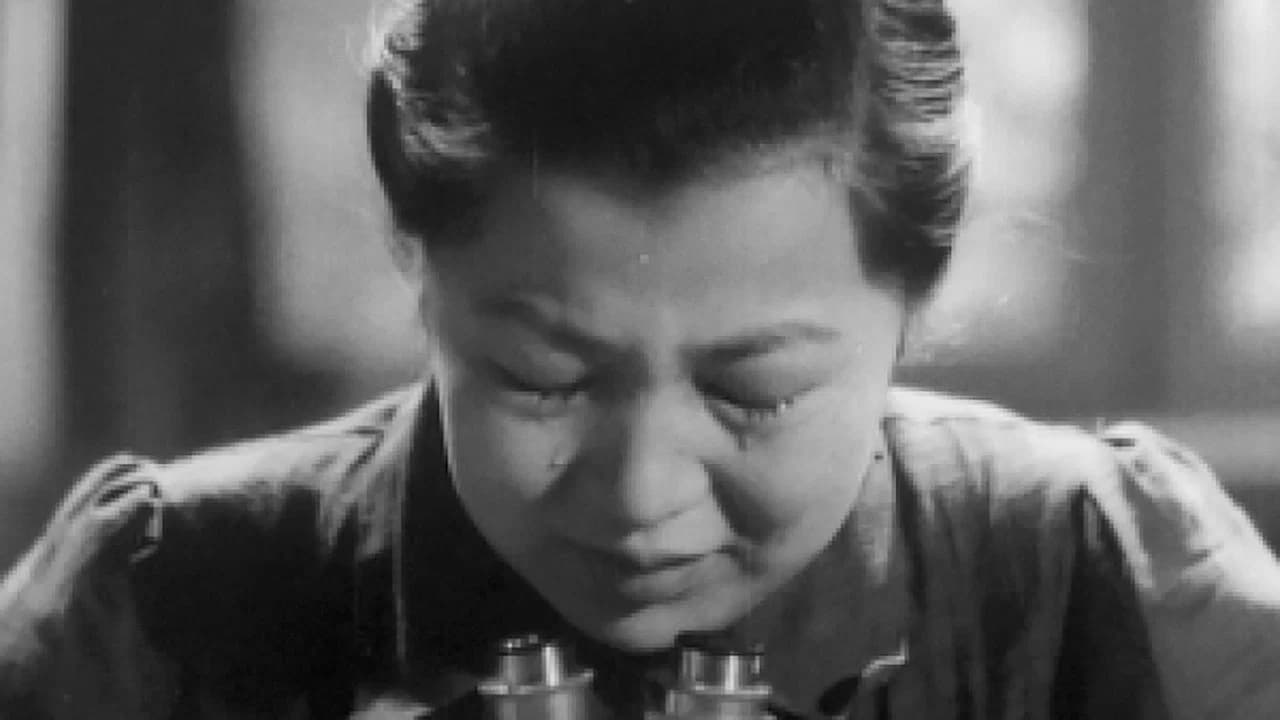
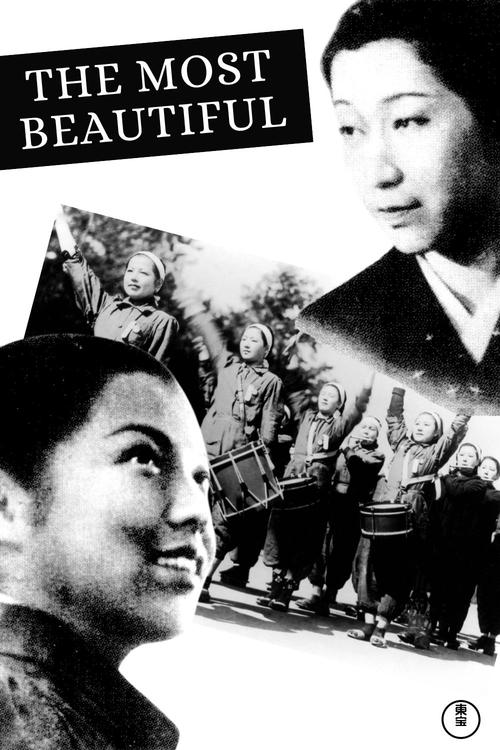
Young women at a precision optics factory in wartime Japan push to exceed production quotas, enduring illness, injury, and personal hardship to “serve the country.” Led by Tsuru Watanabe, they fight fatigue and setbacks to keep their line moving—even when duty collides with…
Chief Goro Ishida
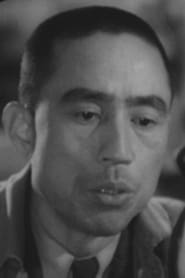
Soichi Yoshikawa, Chief of General Affairs Section

Ken Shinda, Chief of Labor Section

Noriko Mizushima, dorm mother
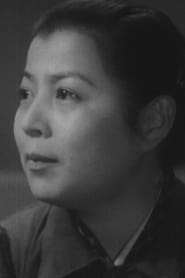
Tsuru Watanabe, president of women workers
Yuriko Tanimura, vice president of women workers
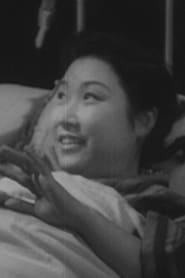
Sachiko Yamazaki
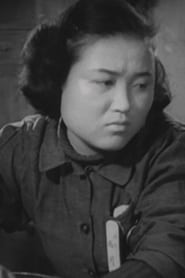
Fusae Nishioka
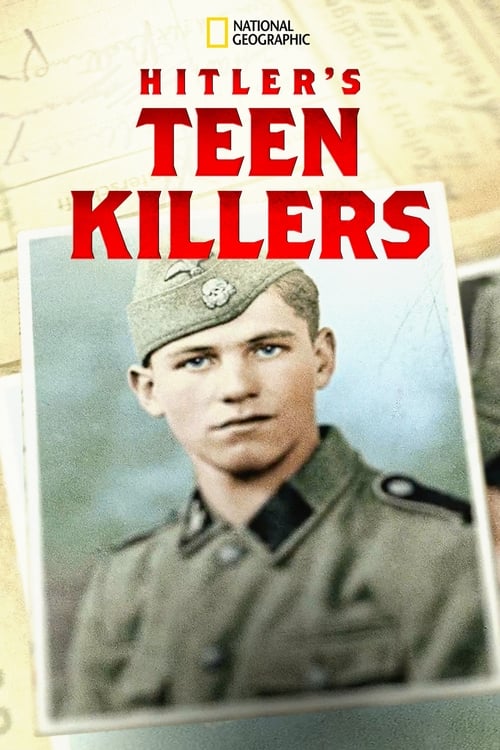
They grew up under the Nazi regime. They pledged to give their lives for Hitler. They were fanatics who would not be stopped. They were the 20,000 teenagers who made up the 12th SS Panzer Division. Unleashed in France to halt the Allied invasion, they would sow terror and destruction in their wake. Historical colorized archives and a handful of survivors tell us this story.


The bombing of the American naval base at Pearl Harbor, by a nation he knew only by name, thrust nine-year-old Minoru Fukushima into a world of racism so malevolent he would be forced to leave Canada, the land of his birth. Like thousands of other Japanese Canadians, Minoru and his family were branded as an enemy of Canada, dispatched to internment camps in the interior of British Columbia, and finally deported to Japan. Directed by Michael Fukushima, Minoru's son, the film artfully combines classical animation with archival material. The memories of the father are interspersed with the voice of the son, weaving a tale of suffering and survival, of a birthright lost and recovered.
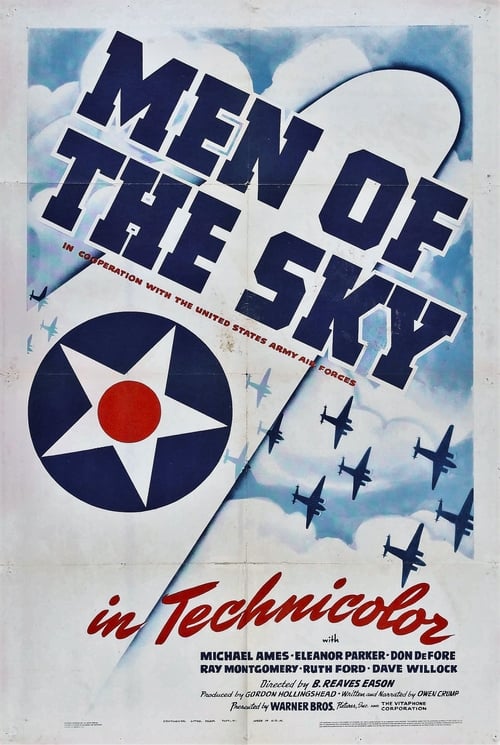
A propaganda film, made in the early months of World War II, dramatizing a new group of U.S. Army Air Force pilots receiving their wings from Lt. General H.H. Arnold. An off-screen narrator introduces four of them to us; we see them before the war, during flight training, and in their first assignments as pilots.
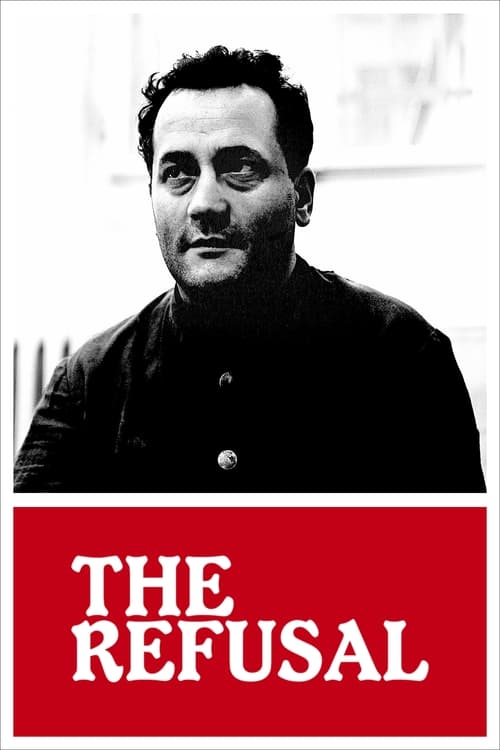
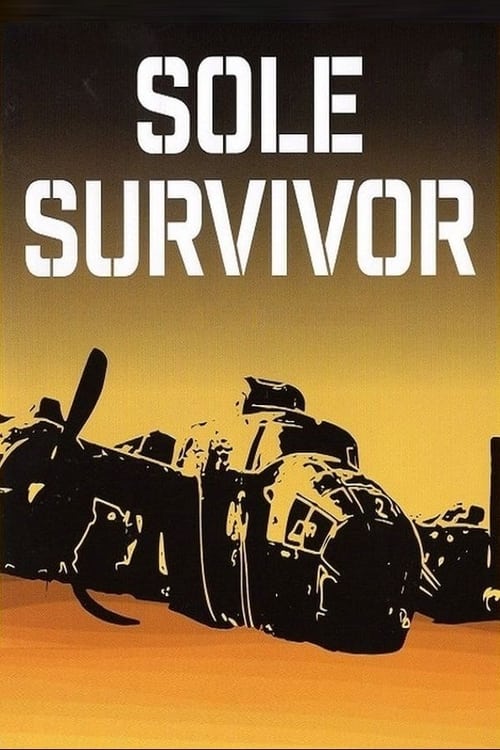
In 1960, the ruins of an American bomber were found in the Libyan desert, but the remains of the crew were never located. In Guerdon Trueblood's teleplay, the ghosts of a bomber crew hang around their derelict plane, awaiting the day that their bones will be recovered and given a decent burial. The sole survivor, navigator Russell Hamner, has in the intervening 25 years become a General. He joins an investigation team that has come across the wreckage, while the ghosts, headed by Major Devlin, plot to expose Hamner as a coward who deserted his post and left his crew mates to die.
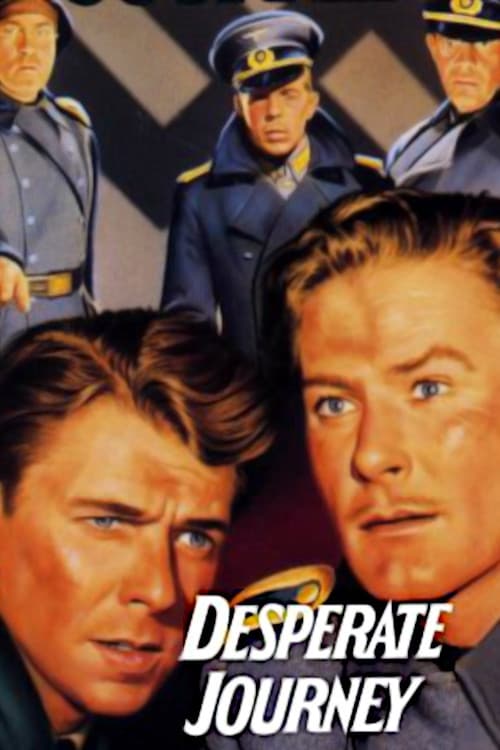

The film pivots around the local Norwegian doctor and his family. The doctor's wife (Ruth Gordon) wants to hold on to the pretence of gracious living and ignore their German occupiers. The doctor, Martin Stensgard (Walter Huston), would also prefer to stay neutral, but is torn. His brother-in-law, the wealthy owner of the local fish cannery, collaborates with the Nazis. The doctor's daughter, Karen (Ann Sheridan), is involved with the resistance and with its leader Gunnar Brogge (Errol Flynn). The doctor's son has just returned to town, having been sent down from the university, and is soon influenced by his Nazi-sympathizer uncle. Captain Koenig (Helmut Dantine), the young German commandant of the occupying garrison, whose fanatic determination to do everything by the book and spoutings about the invincibility of the Reich hides a growing fear of a local uprising.
Asako Suzumura
Masako Koyama
Tokiko Hiroda
Kazuko Futomi