Loading titles…
Self - Narrator (voice)

It is the story of a little hair salon in the heart of the Arab community in Haifa (Israel); it is the story of a friendship between Arab and Jewish women in the city, which is considered a model of coexistence; and it is the story of Iris, the director, who worked as a hair washer at the salon so she could get to know women of the neighbourhood. Through her interaction with the women, in this unique frame, Iris wishes to tell the story of the community from the personal experience of the film's subjects, and to explore what it reflects of Israeli society.
October 7, 2023: Hamas terrorists attack Israel, murder and take hostages. Israel reacts with severity. The goal: the destruction of Hamas. But with the war in Gaza, Israel is awakening the great trauma of the Palestinians: the expulsion of 1948. How can the lack of empathy on both sides be explained?

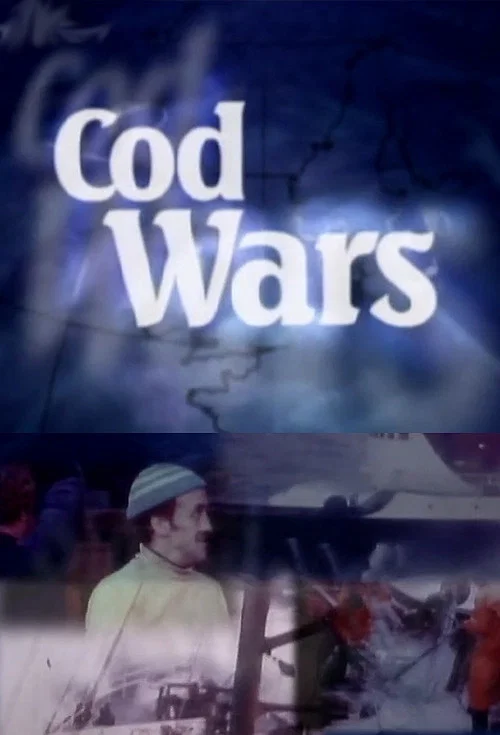
It’s now 40 years since the end of the Cod Wars between Britain and Iceland. During the 1950s and 60s, Britain consumed 430,000 tons of cod each year, but as the stocks started to diminish the livelihoods of fishing communities in both countries were at stake. Iceland took steps to protect their fishing industry - the mainstay of their economy - resulting in the three so-called Cod Wars. This was a David and Goliath struggle, where the small fleet of Icelandic gunboats were pitted against the British trawlers and the Royal Navy in the North Atlantic. This Icelandic film, made in 2001, tells the story from both sides and reflects on the impact of the Cod Wars in Grimsby and Hull.
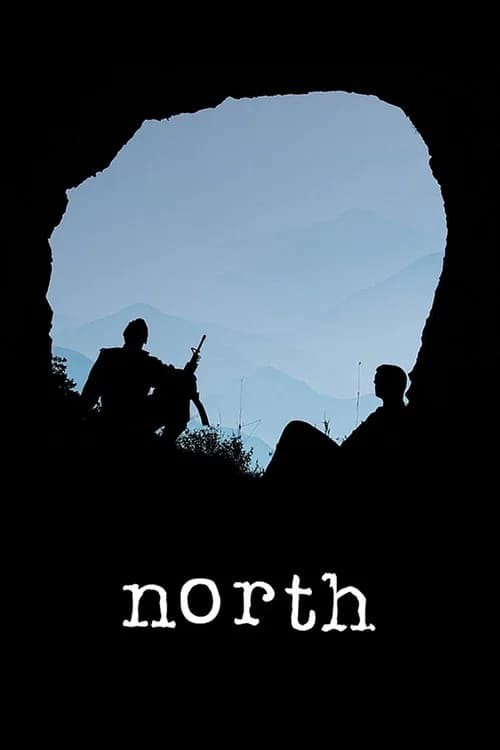
Bakur (North) is a documentary that invites its audience to reflect on a war that has been continuing for decades and gives an insightful look on its main subject, the PKK. The film follows the lives of the guerilla in three different camps on the Kurdish region (north) that lies within Turkish borders.
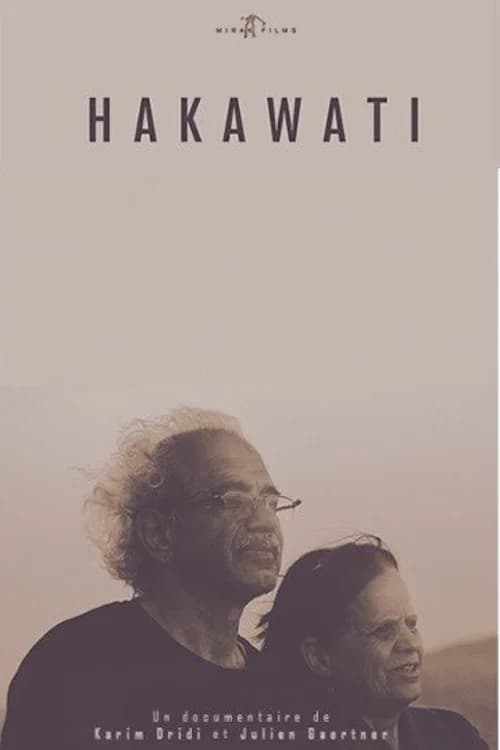
Despite their children's reluctance, Radi and Mounira, a 65-year-old puppeteer couple, set off on tour between Israel and Palestine in their outdated van. They are exhausted from having to set up and take down the stage, from performing three shows in a row in front of hundreds of wild children under a burning sky. Lost in Jericho, frightened by the bombs falling near Majd Al Shams, destabilized by the Bedouin children of the Negev unable to determine their own identity, they no longer know if their mission is still relevant. Safeguarding the identity of their people through their shows, but at what cost? A quest for Palestinian identity.
Sebastia, a small archaeological town, sits on top of a hill Northwest of Nablus, Palestine surrounded by Shavei Shomron, an illegal Israeli settlement and confiscated agricultural fields of olive groves and apricot trees. This ancient site was excavated multiple times over the last century by colonial archaeologists funded by Zionist individuals and institutions. The first excavation of 1908 led by Harvard University took advantage of Sebastia locals including women, men, and children as cheap labor digging their own land for the sake of biblical archaeology. Each excavation extracted soil and artifacts from the ground, taking what they considered valuable to their home institutions and leaving pottery shards and rubble on the surface. Today, what’s left of the archaeological monuments is contested by the nearby settlement as well as the Israeli military. The Roman Forum is a battlefield, but the locals are incredibly resilient.
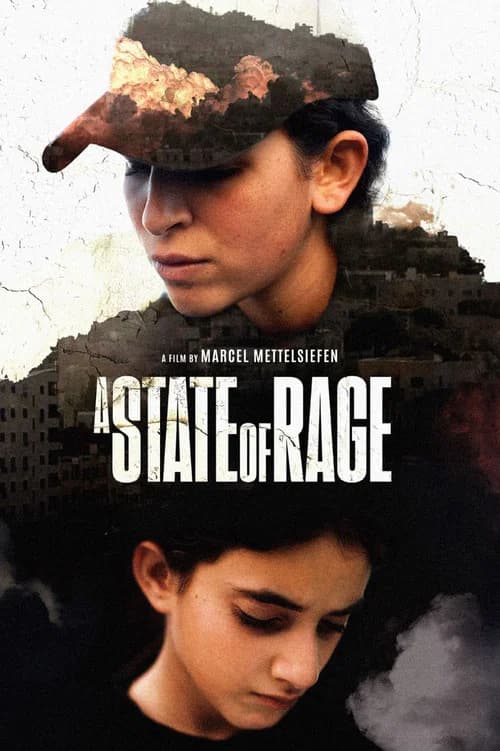
In the West Bank, children grow up amidst a harsh and unforgiving reality. Daily life for Palestinians in Jenin Refugee Camp is shaped by the Israeli occupation, and the violence and oppression that comes with it. On the hills near Nablus, a Jewish settler family navigate the personal sacrifices and grief that come with their decision to live in an illegal settlement. They are resolute in their belief to remove Palestinians and settle the land. Children and their parents from both these areas search for their place in a world defined by violence and polarization.