
Millie Perkins
Aldonza / Dulcinea del Toboso
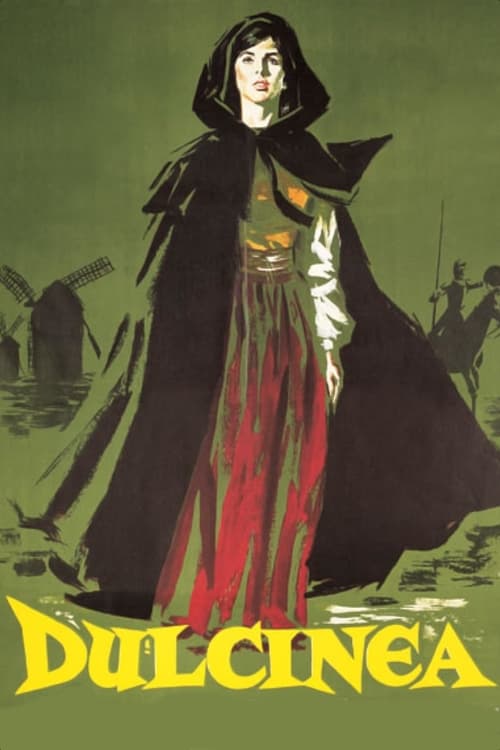
The story of Dulcinea, the love of Don Quixote, who was only a normal girl named Aldonza that is suddenly involved by the legend of the brave and ingenous gentleman.
Aldonza / Dulcinea del Toboso
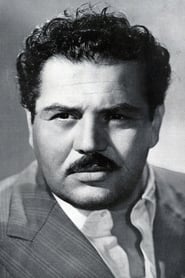
Sancho Panza
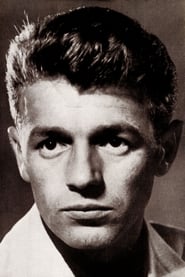
Diego
Bianca
Inquisidor
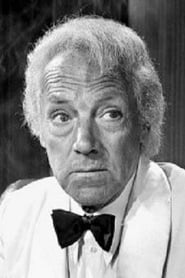
El hidalgo
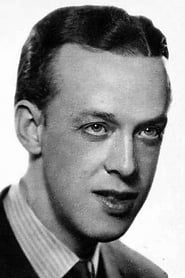
Mastro Pietro
Cast
Mujer enferma
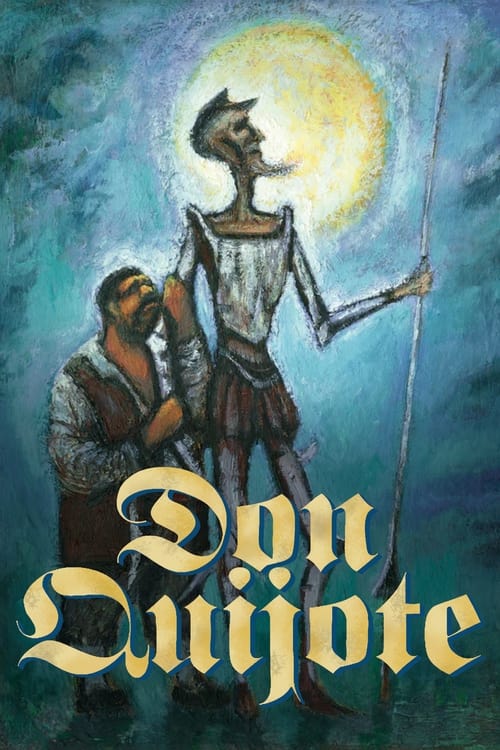
A posthumous 1992 reconstruction of Orson Welles’s long-unfinished Don Quixote project, edited by Jesús Franco from footage shot between 1957 and 1972, following Don Quixote and Sancho Panza as they wander modern Spain in pursuit of chivalric ideals. (Note: This version represents a later editorial assembly, not a film completed by Welles.)

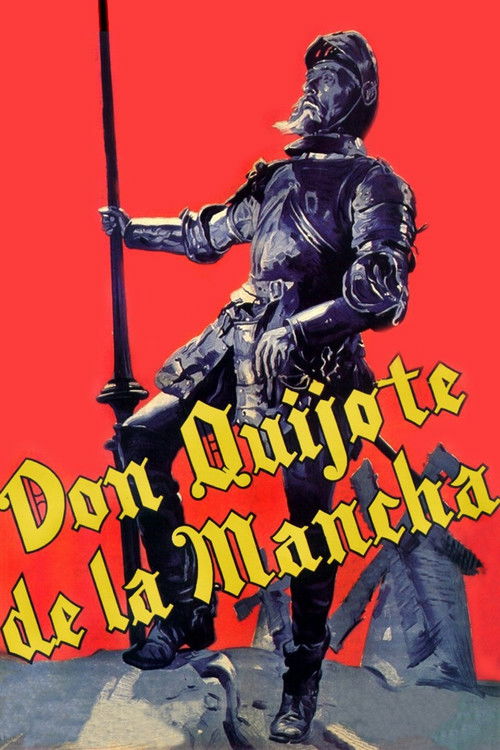
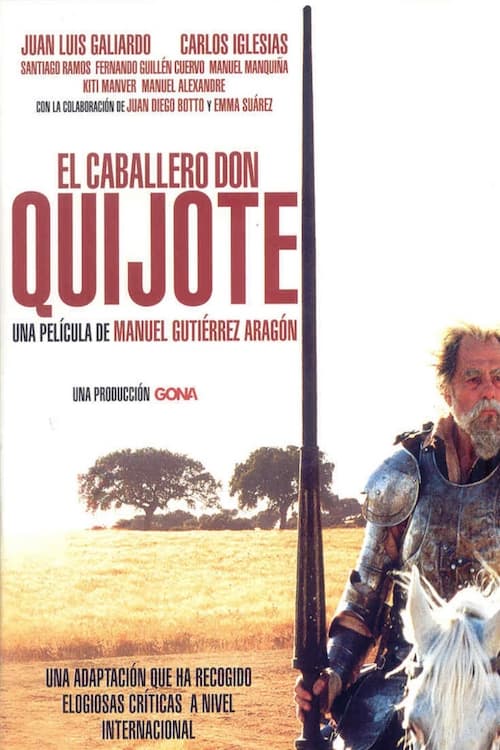
After an old soldier named Miguel de Cervantes (1547-1616) wrote the adventures of Don Quixote and Sancho Panza, the knight and his squire have become very popular. When he learns that the Turkish comes along the Mediterranean coast with a powerful army, Don Quixote will undertake, again opposed by his niece and his housekeeper, a new adventure that begins in La Mancha and ends on the coast.
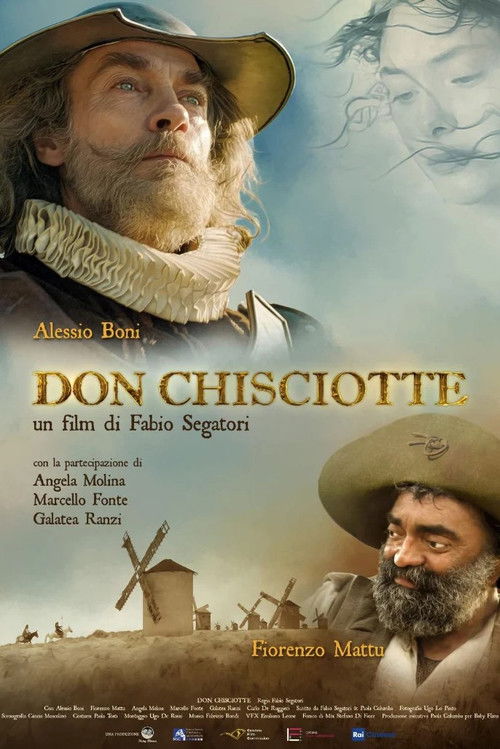
Wounded at the Battle of Lepanto and recoverying in a Messina hospital, Miguel de Cervantes experiences a vision amidst fever and hallucinations. From the flames of burning books, Don Alonso Quijano is born—a man driven mad by tales of chivalry who transforms into the knight-errant Don Quixote. Accompanied by the simple Sancho Panza, lured by the promise of an island to rule, Quixote embarks on a quest where inns become castles and windmills turn into giants. Despite the cruel mockery of bored nobles and a series of crushing defeats, his madness reveals a disarming purity: he fights solely for justice and freedom, even as the world laughs. Betrayed and humiliated, he is eventually brought home in a cage, unable to survive without his ideals. As he dies, the scene shifts back to the Sicilian night: from the pain of war, Cervantes has forged a masterpiece—the stubborn dream of a more liberated humanity.

A poetic journey through the paths and places of old Castile that were traveled and visited by the melancholic knight Don Quixote of La Mancha and his judicious squire Sancho Panza, the immortal characters of Miguel de Cervantes, which offers a candid depiction of rural life in Spain in the early 1930s and illustrates the first sentence of the first article of the Spanish Constitution of 1931, which proclaims that Spain is a democratic republic of workers of all kind.
Testigo en juicio
Mendigo
Posadero