
Loading titles…
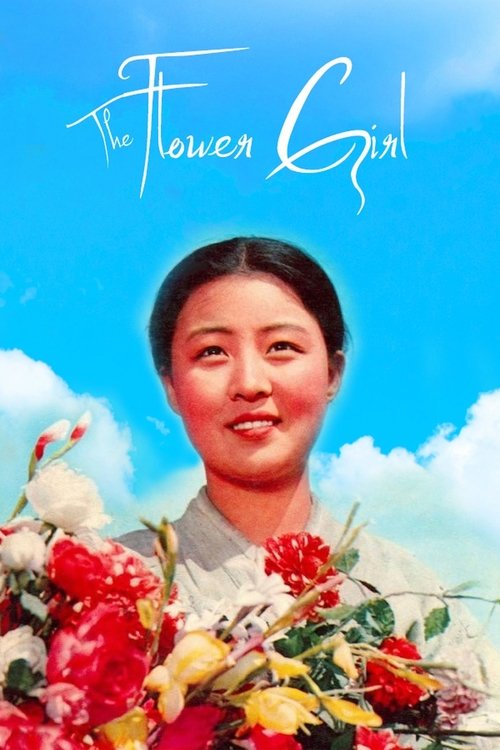
Old Man
Koppun
Chol Yong
Landowner
Mother
Sun Hui

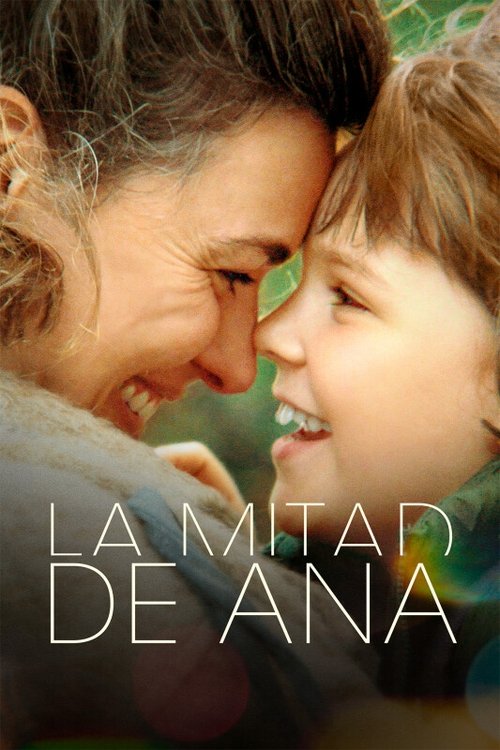
Son confesses to his mother, Ana, that he does not feel like a girl; he is a boy. Confused and blocked, Ana will decide to stop in order to observe and understand him and, in the same way, to understand herself. Ana and Son are two sides of the same coin: a mother who does not take care of herself, of her own identity, and a boy in search of his identity with all his strength.
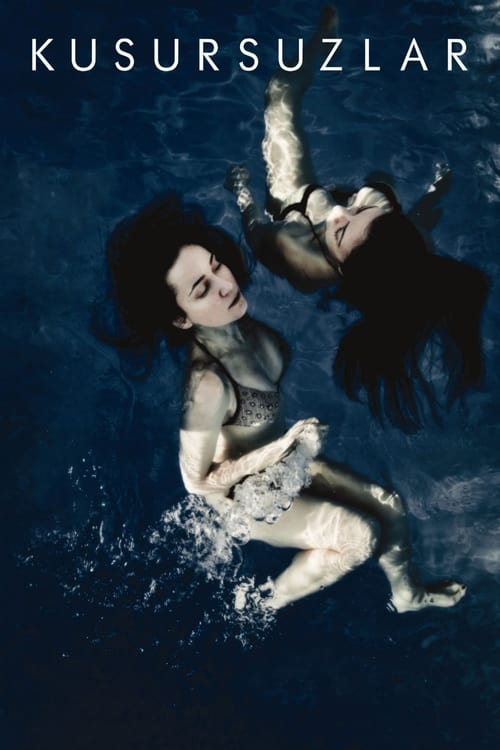
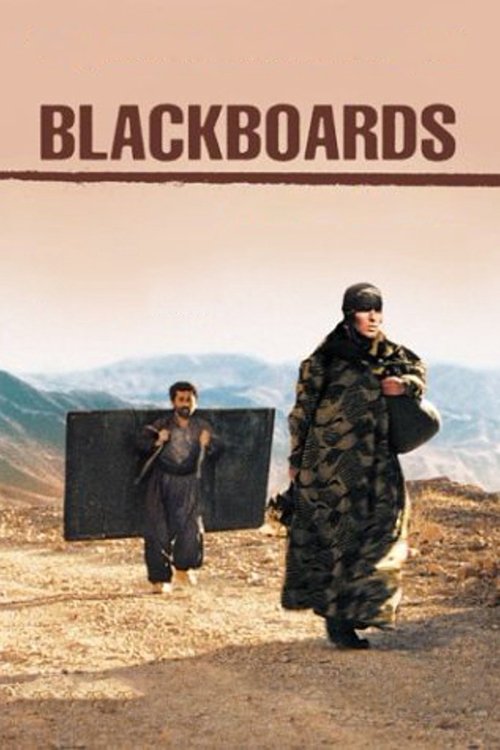
Itinerant Kurdish teachers, carrying blackboards on their backs, look for students in the hills and villages of Iran, near the Iraqi border during the Iran-Iraq war. Said falls in with a group of old men looking for their bombed-out village; he offers to guide them, and takes as his wife Halaleh, the clan's lone woman, a widow with a young son. Reeboir attaches himself to a dozen pre-teen boys weighed down by contraband they carry across the border; they're mules, always on the move. Said and Reeboir try to teach as their potential students keep walking. Danger is close; armed soldiers patrol the skies, the roads, and the border. Is there a role for a teacher? Is there hope?
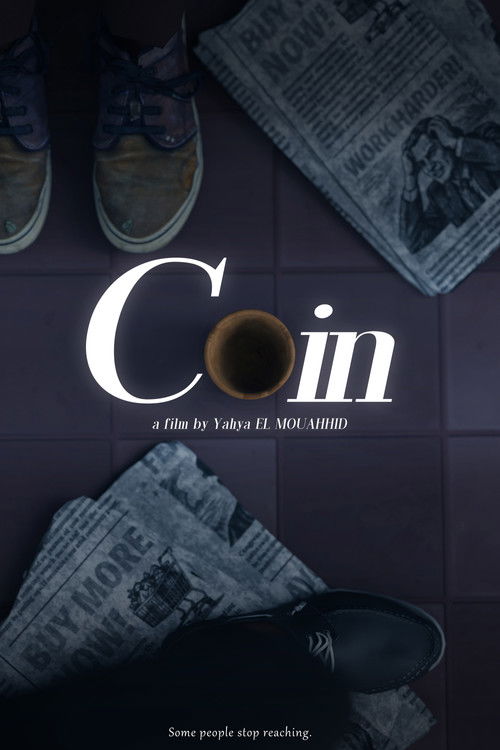
Coin is not about chasing wealth. It is about what happens when people are pushed so far down that they stop reaching altogether and only fight to keep what little remains. In a system where value circulates freely but dignity does not, innocence becomes the last uncontaminated force capable of interrupting the cycle.

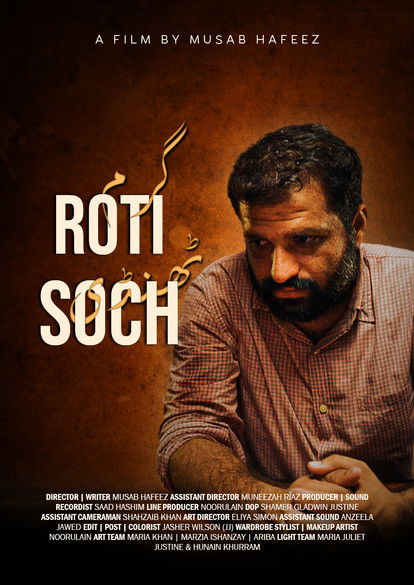
Garm Roti, Thandi Soch follows a single day in the life of Bashir, a tired, working-class man in Karachi navigating a world shaped by corruption, class divides, and quiet domestic expectations. What begins as a simple request from his wife—to bring home warm roti—turns into a symbol of everything denied to him. Throughout the day, Bashir endures the suffocating monotony of his government job, the intrusion of a performative NGO crew, and the daily humiliations of a city where the powerful move freely and the powerless wait in silence. His offhand remark, “Mulk ke halat garam hain, par roti thandi hai,” becomes an accidental viral soundbite. By nightfall, he returns home emptied, carrying only cold roti and the weight of unseen struggles. His silence at the end captures a life swallowed by a society that overlooks him, offering no transformation—only the stillness of enduring what cannot be changed.

In this loose adaptation of Shakespeare's "Henry IV," Mike Waters is a hustler afflicted with narcolepsy. Scott Favor is the rebellious son of a mayor. Together, the two travel from Portland, Oregon to Idaho and finally to the coast of Italy in a quest to find Mike's estranged mother. Along the way they turn tricks for money and drugs, eventually attracting the attention of a wealthy benefactor and sexual deviant.