Loading titles…
Documentary / Drama
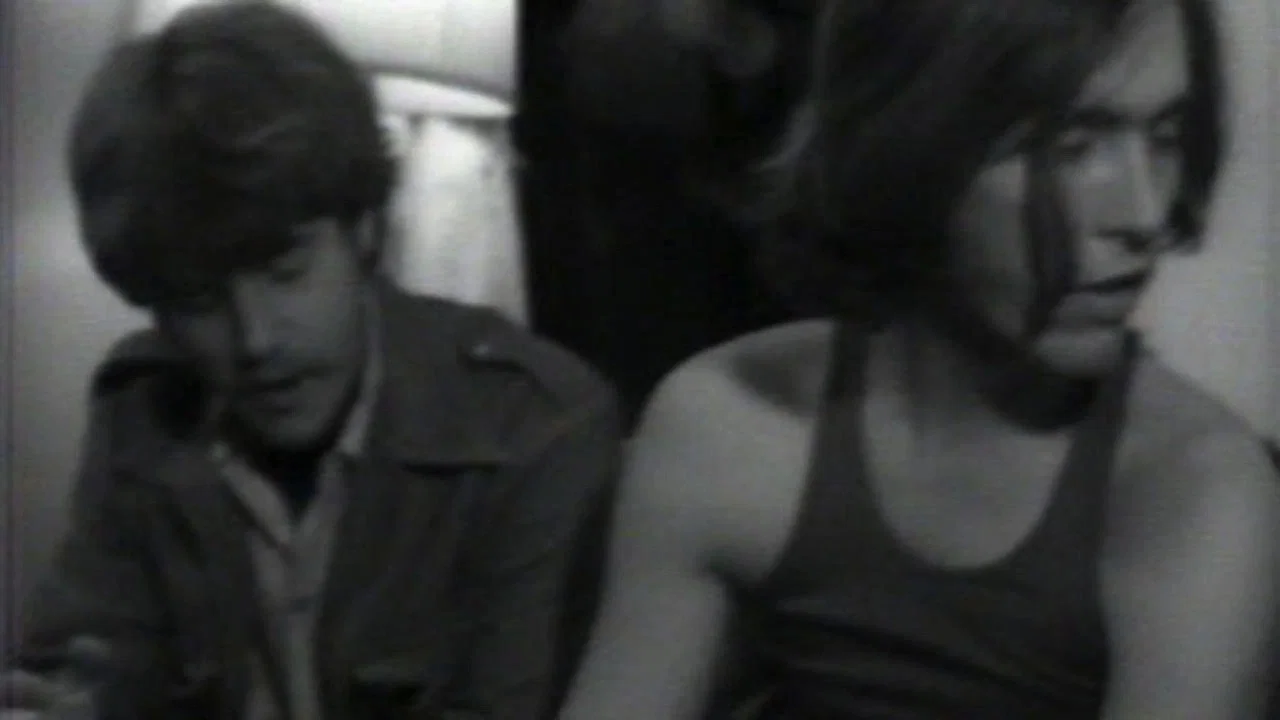
A fascinating hybrid of performance and video verité, The Continuing Story of Carel and Ferd introduces Carel and Ferd, a couple who allowed Ginsberg to produce an ongoing documentary record of the intimate moments of their relationship. Carel, a porn actress, and Ferd, a drug…

Himself
Herself



When pretty dress-maker Andy joins a motley crew of brides-to-be for a grueling bridal boot camp, where young ladies learn how to become "better" brides, she thinks she's found the perfect place to become the perfect bride. But when Andy meets Casey, a handsome delivery man who doesn't believe in marriage, she starts to question her picture perfect image of her current engagement and what marriage truly means.
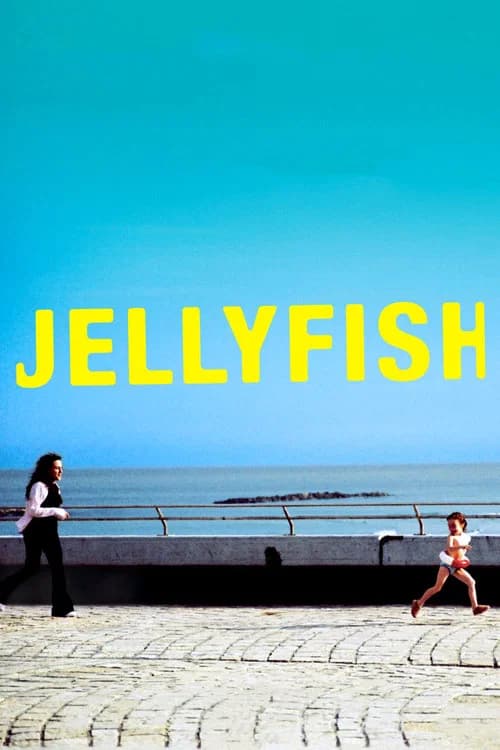
Meduzot (the Hebrew word for Jellyfish) tells the story of three very different Israeli women living in Tel Aviv whose intersecting stories weave an unlikely portrait of modern Israeli life. Batya, a catering waitress, takes in a young child apparently abandoned at a local beach. Batya is one of the servers at the wedding reception of Keren, a young bride who breaks her leg in trying to escape from a locked toilet stall, which ruins her chance at a romantic honeymoon in the Caribbean. One of the guests is Joy, a Philippine chore woman attending the event with her employer, and who doesn't speak any Hebrew (she communicates mainly in English), and who is guilt-ridden after having left her young son behind in the Philippines.

As he turns 50, filmmaker Pini Schatz sets out to explore his life-long obsession with the band Sparks (the brothers Ron and Russell Mael). Pini charts the impact of Sparks on his life while meeting with fellow Sparks fans, among them famous musicians, in Tel Aviv, London, Berlin, Rotterdam and NYC. Structured as a personal quest of the filmmaker to prove that Sparks are the coolest underrated band in the history of popular music, this docu-comedy explores the universal themes of growing old and being an outsider, the importance of art in daily life and the power of non-conformism.


Four hours by boat from the lightship Elbe 1 is the southern entrance and lock of the Kiel Canal. There, in Brunsbüttelkoog, is a seamen's home run by Klara Andresen. This is the main setting of the movie. In the sailors' wives' home, the wives of sailors wait for their return. Klara Andresen not only looks after the concerns of the waiting sailors' wives, but also her brother-in-law Gustav Andresen . Gustav has gone to sea as a ship's cook and now wants to get married. That's why he has placed a marriage announcement and is waiting for the reactions.

In the summer of 1900, the first film camera was purchased by Mozaffar ad-Din Shah Qajar for Iran, and immediately the first Iranian moving images were captured by this camera. These images, in an obsessive manner, have embodied the mesmerized gaze of people. In the span of 79 years since the purchase of this camera, Iran has undergone two revolutions and two coups, and throughout all these moments, the camera has been present as the recorder of people's mesmerized gazes. These mesmerized gazes are in a way as if they are the ones looking at us, not the other way around. It seems like these gazes are trying to convey something, but what? No one knows. Now, we gaze at those who have gazed at us from a distant time.

CNN camerawoman Margaret Moth fearlessly captures footage of war zones. After receiving catastrophic injuries in the crosshairs of battle, she returns to work with more courage than ever. An intimate portrait of a trailblazing female photojournalist. Features interviews with Moth’s family and friends, including CNN’s Christiane Amanpour. A Sundance film festival premiere directed by Lucy Lawless.