
Aoi Yuuki
Ryo
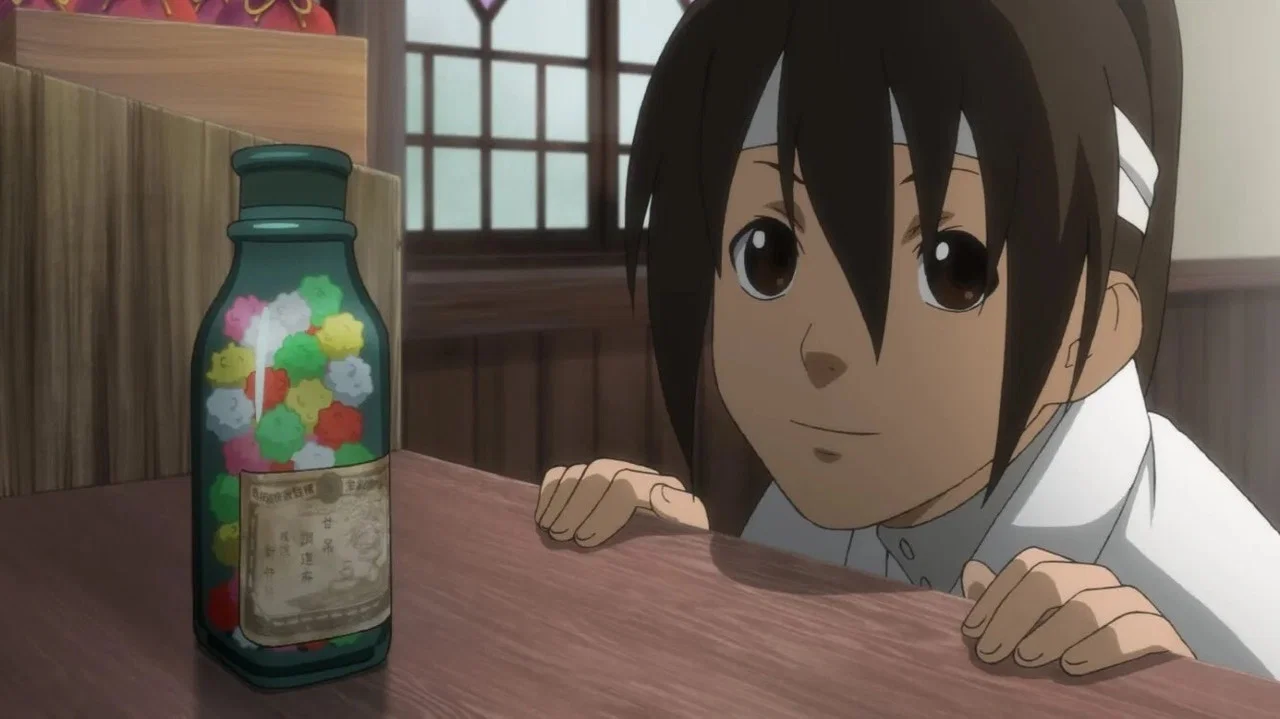
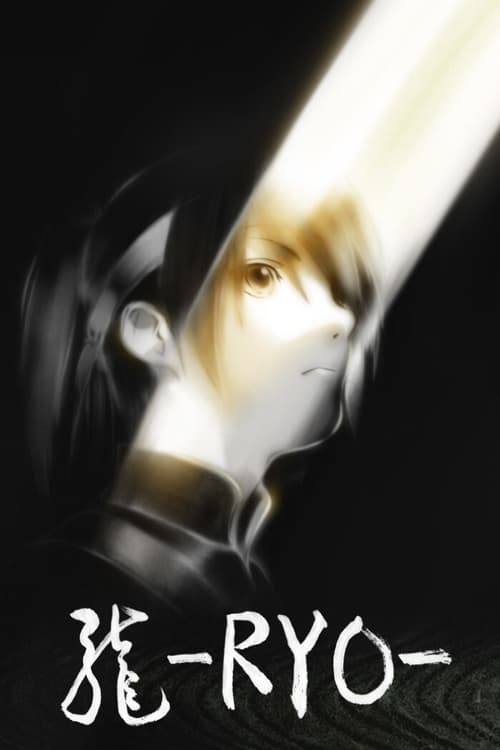
The son of a samurai who lost his parents during the attack of English ships on a Japanese town is given the name Ryo and becomes the bodyguard of Ryoma Sakamoto, a man who has his own plan to fight for the country.
Ryo

Oryū

Sakamoto Ryōma

Nakaoka Shintarō

Ōkubo Toshimichi

Hijikata Toshizō

Nakamura Hanjirō

Kuro

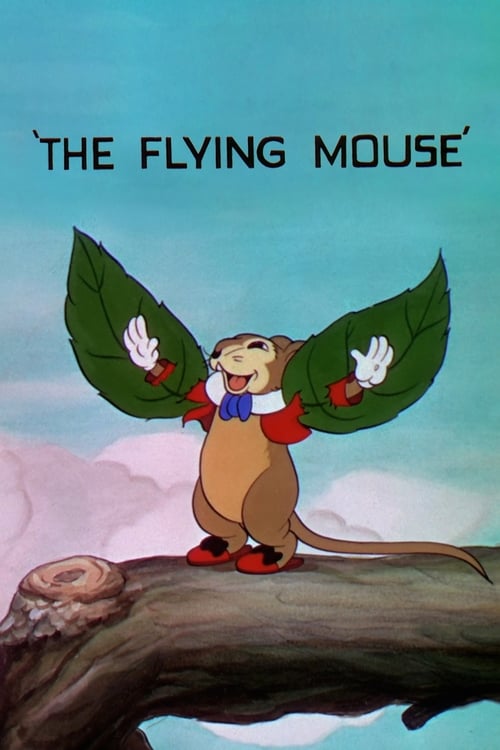
To the tune "I Would Like to Be a Bird," a young mouse fashions wings from a pair of leaves, to the great amusement of his brothers when his attempts to use them fail. When the butterfly he rescues from a spider proves to be a fairy, he wishes for wings. But his bat-like appearance doesn't fit in with either the birds or the other mice, and he finds himself friendless; even the bats make fun of him. Written by Jon Reeves

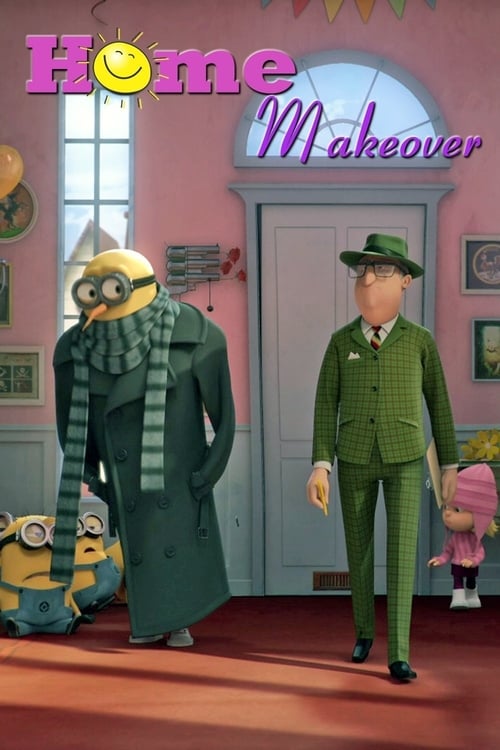
When a social worker visits Gru’s house to assess its suitability for children, chaos ensues. Margo, Edith, and Agnes, along with the ever-mischievous Minions, scramble to give the home a makeover in record time. Their attempts to create a warm and inviting environment quickly spiral into hilarity as the Minions’ unorthodox methods lead to outrageous results. This short captures the Minions’ inventive, albeit chaotic, solutions, blending humor with heartwarming moments of teamwork.

The Minions embark on their first day of work, eager to prove themselves in their new roles. After watching a hilariously outdated 'Initiation Video,' three rookie Minions take on bomb-carrying duty. Predictably, their enthusiasm quickly spirals into chaos as they bungle the simplest of tasks. Packed with slapstick comedy and the Minions' trademark antics, this short highlights their lovable ineptitude in the workplace.

In 1974, the mathematician Penrose discovered pairs of tiles that form an infinite plane without repeating patterns. Inspired by this, Max Cooper uses a rhythm fragment of one instrument to compose a percussion ensemble without a single identical loop. Jessica In contributes animated tile ornaments without symmetries that are reminiscent of a mandala and visualise the idea of infinity.
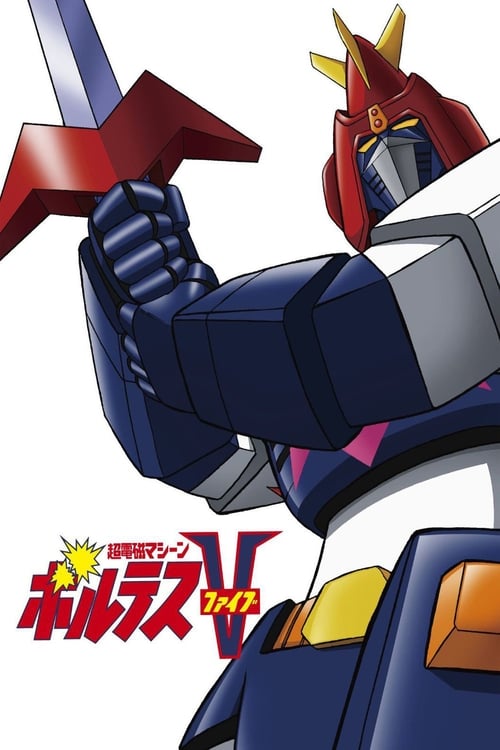
Chōdenji Machine Voltes V (超電磁マシーン ボルテスV Chōdenji Mashīn Borutesu Faibu?, Super Electromagnetic Machine Voltes Five) more popularly known as Voltes V, is a Japanese anime television series that was first aired on TV Asahi starting June 4, 1977. It was created by Saburo Yatsude (a pseudonym referring to a committee within Toei Company) and directed by Tadao Nagahama. Voltes V is the second part of the Robot Romance Trilogy of the Super Robot genre which includes Chōdenji Robo Combattler V and Tōshō Daimos. Like Combattler V, the series was animated by Sunrise and produced by Toei Company. The series was animated by Sunrise on Toei's behalf. This super robot along with the other two aforementioned super robots first appeared the USA as a part of Mattel's Shogun Warriors line of import toys, released in the late 1970s.