Buffalo Bill Cody
Buffalo Bill Cody
Himself
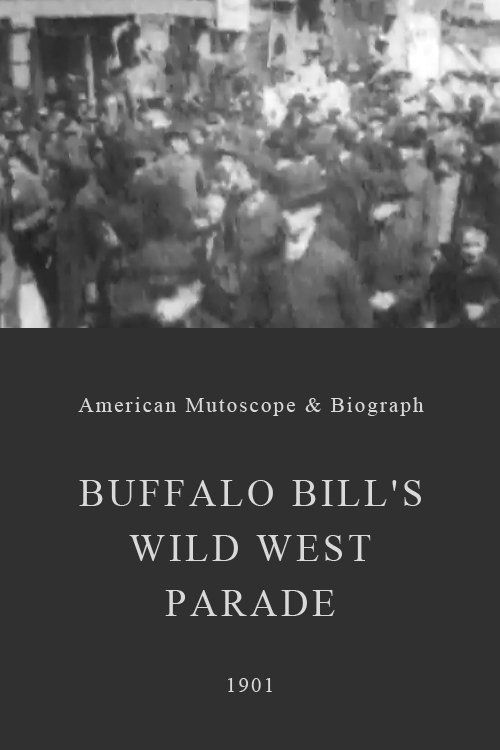
The film shows a parade down Fifth Avenue, New York. In the foreground many children, both black and white, can be seen following alongside the parade. The participants in the parade include cowboys, Indians, and soldiers in the uniform of the United States Cavalry on horseback…
Himself
As technology accelerates, our species' collective imagination of the future grows ever more kaleidoscopic. We are all haunted by temporal distortion, perhaps no more than when we attempt to remember what the future looked like to our younger selves. As the mist of time devours our memories, the future recedes; each of us burdened by the gaping mouth of entropy. Yet, emerging technology provides a glimmer of hope; transhumanism promises a future free from mortality, disease and pain. Does our salvation lie in digital simulacra? We're here to sell you the answer to that question, for the low, low price of four hundred and seventy seconds.
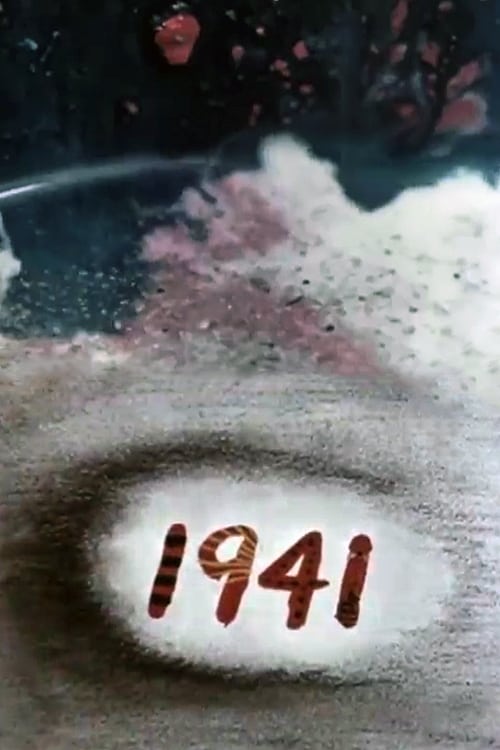
In December, 1941, using music by Stravinsky, this film provides a reaction to the Japanese attack on Pearl Harbor. An egg is smashed by a hammer; red color with white and then blue dominates the frame. Blue paint runs; small bulbs float. The dark colors spread. White, red, blue, and black dominate the frame. Then comes fire. The bulbs burn and break. A broken bulb's filaments are exposed.
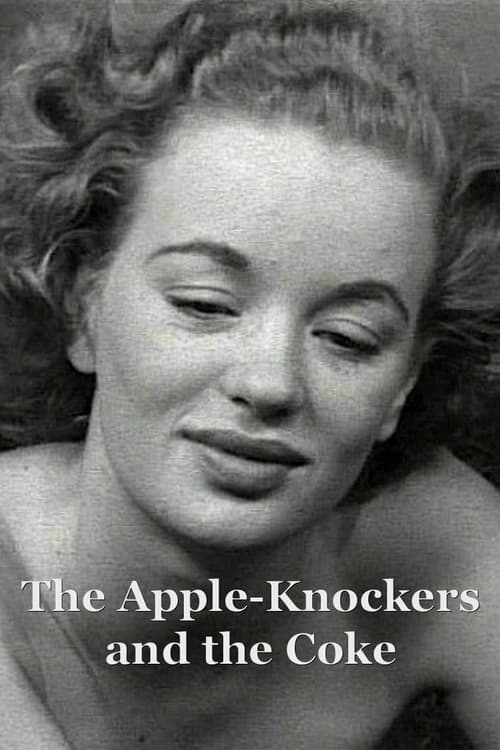
Much of Hunter's fame was built upon her resemblance to Marilyn Monroe; indeed, her Playboy pose was obviously inspired by Monroe's notorious 1949 nude photo session with Tom Kelley from which her own Playboy photo came. The similarity in look between Hunter and Monroe also came into play when a nude Hunter starred in a film short called Apple Knockers and Coke. For many years there have been those who have seen the film and have mistaken Hunter for Monroe.

This short follows the political career of Theodore Roosevelt, beginning in 1895, when he was appointed police commissioner of New York City. In 1897 he was appointed Assistant Secretary of the Navy. His charge up San Juan Hill during the Spanish-American War in 1898 is re-created. He becomes vice president in March 1901 and assumes the presidency when William McKinley is assassinated six months later. According to the narrator, Roosevelt refused to be beholden to political bosses, doing what he believed to be right for the American people.