

Loading titles…
Dorothy Parker
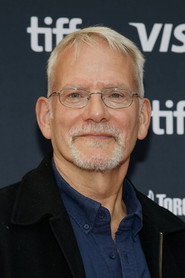
Robert Benchley

Charles MacArthur
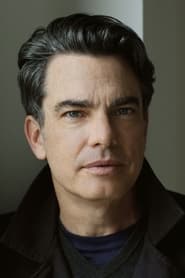
Alan Campbell

Gertrude Benchley

Eddie Parker

Horatio Byrd

Jane Grant
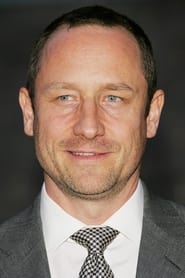
Harold Ross

Edna Ferber

Deems Taylor
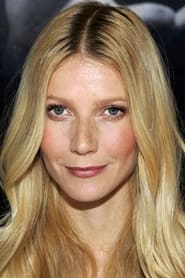
Paula Hunt
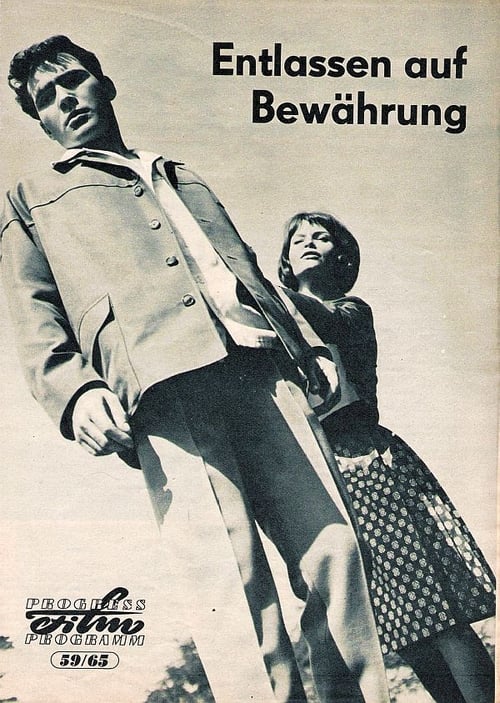
After causing a deadly hit-and-run motorcycle accident, Conny Schenk spends two years in prison, where he is able to complete a printing apprenticeship and is released early for good behavior. While he is still on probation, money is stolen at the company where he works and everyone is quick to suspect Conny. Can he overcome his past mistakes and start fresh, or will the mistrust of his colleagues and friends become a self-fulfilling prophecy?
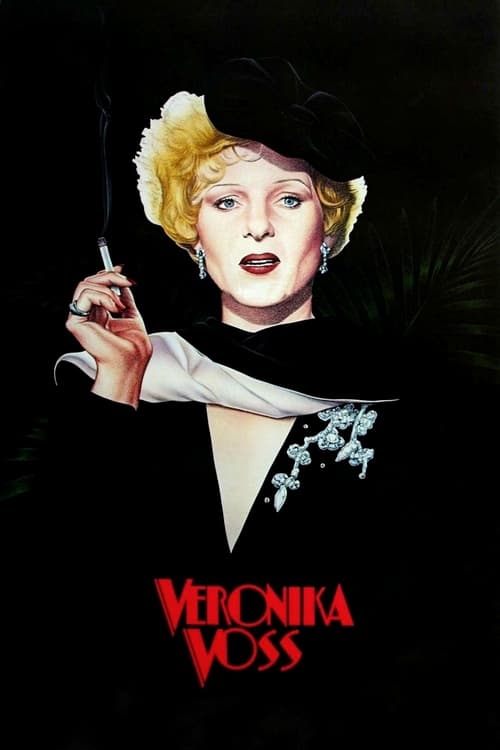
In Munich 1955, German film star Veronika Voss becomes a drug addict at the mercy of corrupt Dr. Marianne Katz, who keeps her supplied with morphine. After meeting sports writer Robert Krohn, Veronika begins to dream of a return to stardom. As the couple's relationship escalates in intensity, Veronika begins seriously planning her return to the screen -- only to realize how debilitated she has become through her drug habit.
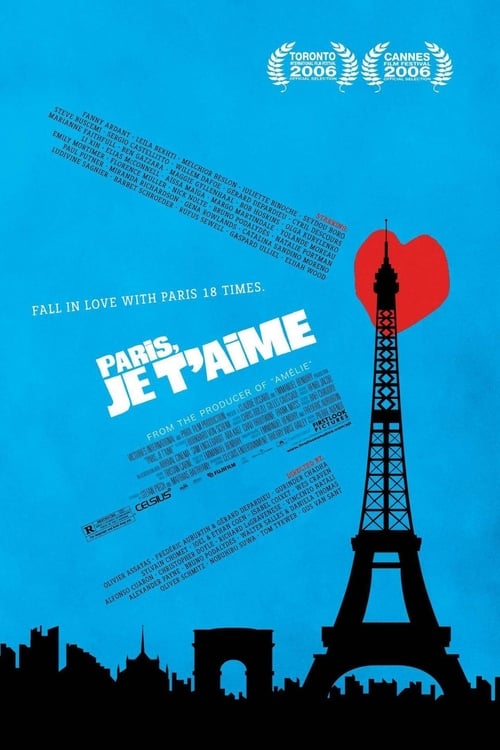
Olivier Assayas, Gus Van Sant, Wes Craven and Alfonso Cuaron are among the 20 distinguished directors who contribute to this collection of 18 stories, each exploring a different aspect of Parisian life. The colourful characters in this drama include a pair of mimes, a husband trying to choose between his wife and his lover, and a married man who turns to a prostitute for advice.
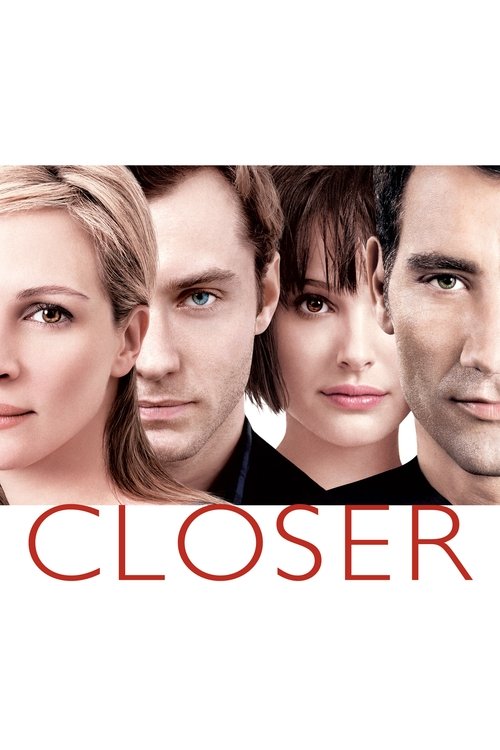

After returning home from the Vietnam War, veteran Jacob Singer struggles to maintain his sanity. Plagued by hallucinations and flashbacks, Singer rapidly falls apart as the world and people around him morph and twist into disturbing images. His girlfriend, Jezzie, and ex-wife, Sarah, try to help, but to little avail. Even Singer's chiropractor friend, Louis, fails to reach him as he descends into madness.
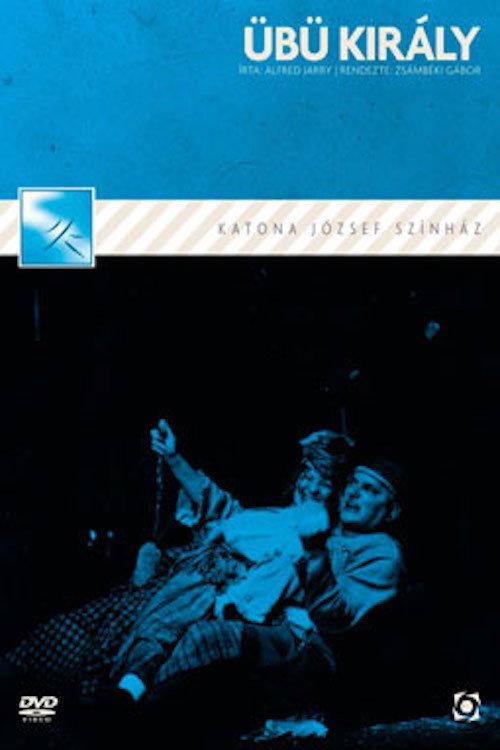
The Empty King created a mythical figure and a whole world from grotesque, archetypal images. The drama was originally conceived as a student tirade against a teacher at Jarry's school, the Lyceum of Rennes. This teacher, Hébert, was the target of public ridicule. In 1888, at the age of 15, Jarry wrote a puppet play about the exploits of the Woolly Tartar and staged it to the amusement of his friends. The figure of Übü is a crude, cruel caricature of the foolish, selfish bourgeoisie as seen through the unrelenting gaze of a schoolboy; but this Rabelaisian figure, in all his falstaffian greed and cowardice, is more than a mere social satire. It is a terrifying picture of man's animal nature, his evil and cruelty. The Katona József Theatre in Budapest premiered Jarry's play in 1984, and it ran continuously for more than 10 years.


A successful artist looks back with loving memories on the summer of his defining year, 1974. A talented but troubled 18-year-old aspiring artist befriends a brilliant elderly alcoholic painter who has turned his back on not only art but life. The two form what appears to be at first a tenuous relationship. The kid wants to learn all the secrets the master has locked away inside his head and heart. Time has not been kind to the old master. His life appears pointless to him until the kid rekindles his interest in his work and ultimately gives him the will to live. Together, they give one another a priceless gift. The kid learns to see the world through the master's eyes. And the master learns to see life through the eyes of innocence again. This story is based on a real life experience.
Ahmet is a young man struggling with inner conflicts and loneliness; while planning to end his life, a potted flower and his memories accompany him in his search for meaning. At the same time, Umay, reading a book that uncovers secrets about her mother's past, receives Ahmet's letter. This letter takes Umay on a profound journey of reflection and establishes an unexpected connection between two different lives.