Loading titles…
Drama / War
North Africa, World War II. British soldiers on the brink of collapse push beyond endurance to struggle up a brutal incline. It's not a military objective. It's The Hill, a manmade instrument of torture, a tower of sand seared by a white-hot sun. And the troops' tormentors are…


Joe Roberts

R.S.M. Wilson

Harris

George Stevens

Jacko King

Monty Bartlett

Jock McGrath

Staff Sergeant Williams

The Medical Officer

Commandant

Burton

Walters

In a German town, teacher Irene leads an inconspicuous, boring, lonely life. One day, a man rings at her door and slips in. It's an armed convict from the prison next door, escaped with a leg wound. He now makes her a prisoner in her own home. Almost without a word, as if she secretly enjoys the excitement or just mesmerized, she obeys Vassily, every single command, even sexual services, submissively or after a symbolic struggle. Somehow that seems to change, but can force initiate love?

It tells the story of a boy Kumasenu who moves to the city of Accra from a small fishing village, encouraged by his cousin Agboh's exaggerated tales of the wonders of city life. Hungry, he steals bread and is caught by police, but is rescued by a doctor and his wife who find him work. Agboh attempts to get Kumasenu to rob the doctor, but Kumasenu foils his cousin's plans.
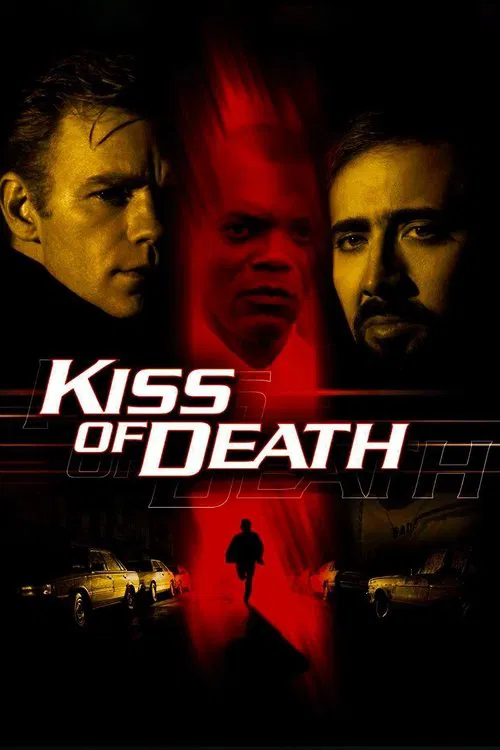
Jimmy Kilmartin's an ex-con who's trying to go straight. But he can't say no to a quick driving job because his so-called friend's life is threatened. The job is for Little Junior Brown, a violent and powerful villain. When things go wrong, Jimmy is left to do the time, and his whole life is turned upside-down, but if that wasn't enough, the cops won't leave Jimmy alone when he gets out... They want Little Junior Brown.

In 1943, the Imperial Japanese Secret Service made a film called Calling Australia! to show the "exemplary conditions" under which prisoners of war were kept, and to "soften up" the Australian public for the anticipated occupation of their country by Japanese forces. Prisoners of Propaganda tells why the film was made, and how it came to be forgotten.

During World War II there were nearly 2,500 Allied prisoners held in Sandakan POW camp in British North Borneo. Along with the ravages of war and the struggle to survive abject conditions, only six of these POW's were found alive when the war finally ended. In the years that followed, the horror stories of human depravity and the atrocities committed by the Japanese at Sandakan POW camp would come to light, considered by many as one of the most devastating chapters of the Pacific War.