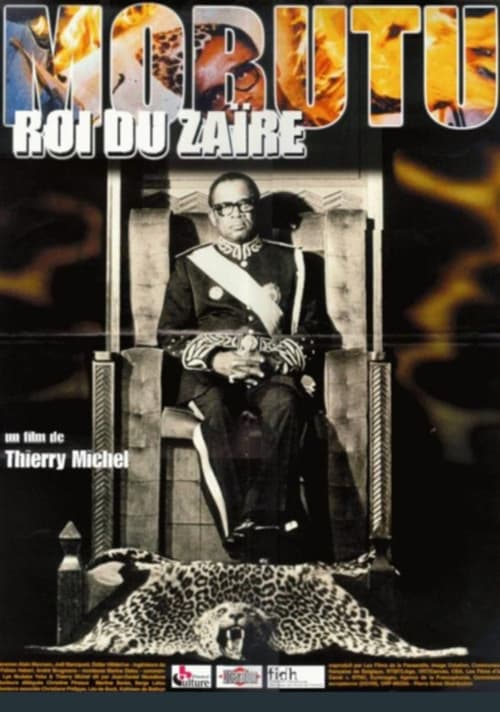
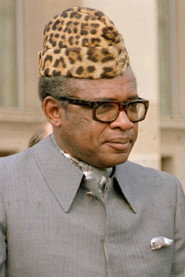
Mobutu Sese Seko
Himself (archive footage)
This film is the result of more than two years of work tracking down archive material and witnesses close to Mobutu in Africa, Europe and the U.S. More than 950 hours of footage have been seen by the world. Among the 104 hours selected as the basis for this film, are 30 hours of…
Himself (archive footage)
Shot in New York, Cape Town, St Helena and the Atlantic Ocean, Sathima's Windsong, is a lyrical portrait of South African jazz singer, Sathima Bea Benjamin. In her Chelsea Hotel apartment, home for over thirty years, she patches together her journeys, from apartheid's 'pattern of brokenness', to a chance meeting and recording with Duke Ellington in Paris, to making a life in New York. The narrative of her journeys are inter-woven with her music and the musings of folks who know her work. Like her haunting song, Windsong, the film is a meditation on displacement, exile and belonging.

We are living in the time of a heteronormative society that antagonizes Queer people for their Being-ness. In Africa, it is believed that we are un-African to Proudly be Our LGBTQIA+ selves. In this short documentary, we share with you researched origins of modern homophobia and queerphobia, while exposing hidden truths about the English bible. The short is a testament to the harmful effects of colonialism and the dangers of religious indoctrination. This film offers audiences the opportunity to question what we have been told to believe is true about queer people.
"Africa Light" - as white local citizens call Namibia. The name suggests romance, the beauty of nature and promises a life without any problems in a country where the difference between rich and poor could hardly be greater. Namibia does not give that impression of it. If you look at its surface it seems like Africa in its most innocent and civilized form. It is a country that is so inviting to dream by its spectacular landscape, stunning scenery and fascinating wildlife. It has a very strong tourism structure and the government gets a lot of money with its magical attraction. But despite its grandiose splendor it is an endless gray zone as well. It oscillates between tradition and modernity, between the cattle in the country and the slums in the city. It shuttles from colonial times, land property reform to minimum wage for everyone. It fluctuates between socialism and cold calculated market economy.
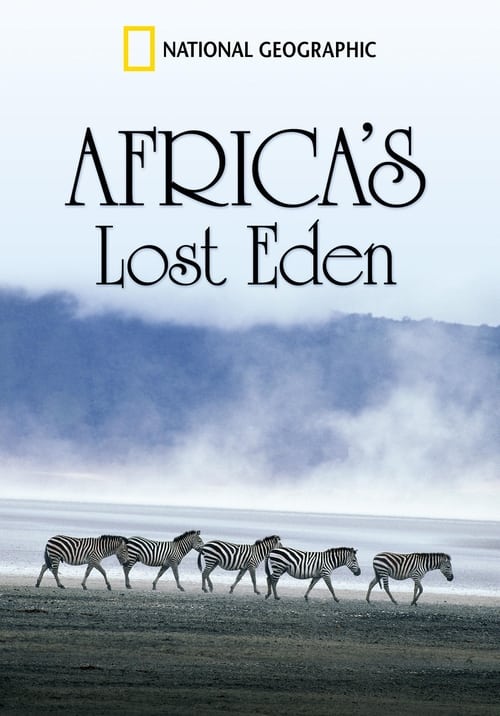
In the heart of Gorongosa National Park, Mozambique, the waters of Lake Urema explode with the thrashing of a giant crocodile tail. Gorongosa was once known as the place where Noah left his ark: 1,500 square miles of lush floodplains in central Mozambique, packed with wild animals. All around, enormous buffalo, soaring fish eagles, and countless antelopes roam freely. But on closer look, something strange is going on. Fifteen years of civil war has taken a heavy toll and many species have been almost completely wiped out. All the usual top predators and prey are virtually missing, except for one - giant crocodiles and thousands of them. Discover what is being done to bring this African oasis back to its former glory, including perhaps the most ambitious restoration effort ever attempted, with elephants, hippos and scores of zebra, wildebeest, impala and buffalo, being relocated into the park.
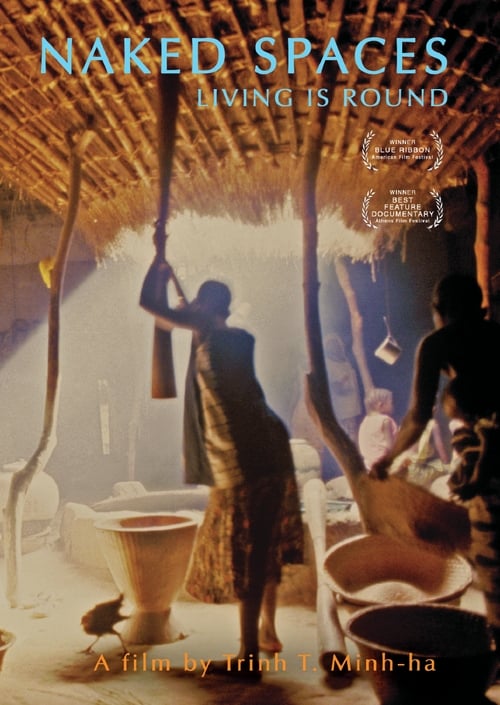
Shot with stunning elegance and clarity, NAKED SPACES explores the rhythm and ritual of life in the rural environments of six West African countries (Mauritania, Mali, Burkino Faso, Togo, Benin and Senegal). The nonlinear structure of NAKED SPACES challenges the traditions of ethnographic filmmaking, while sensuous sights and sounds lead the viewer on a poetic journey to the most inaccessible parts of the African continent: the private interaction of people in their living spaces.
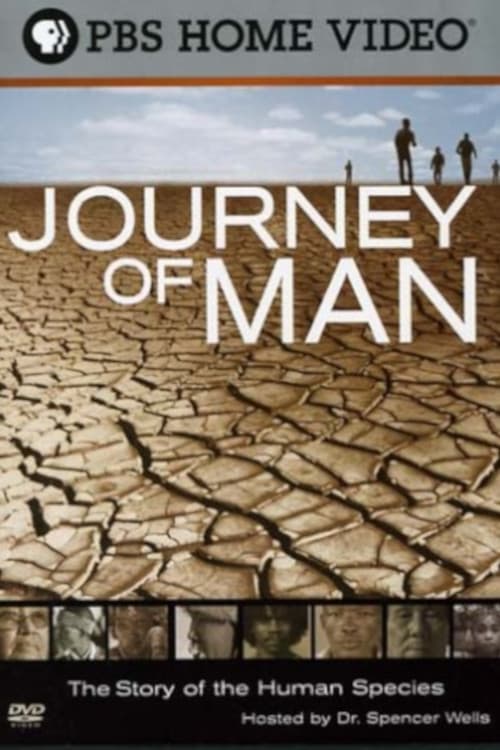
Many geneticists and archaeologists have long surmised that human life began in Africa. Dr. Spencer Wells, one of a group of scientists studying the origin of human life, offers evidence and theories to support such a thesis in this PBS special. He claims that Africa was populated by only a few thousand people that some deserted their homeland in a conquest that has resulted in global domination.
Without a Fight is a feature length documentary film that explores how soccer can facilitate social change in Kibera, one of Africa's largest slums. Footage of violent clashes fueled by polarizing national presidential elections is intertwined with profiles of youth from different religious and ethnic backgrounds as they navigate daily life and prepare for the final championship soccer game of the season. The film provides a glimpse-often a very positive one-into an Africa few have seen. It attempts to break stereotypes associated with people who live in extreme poverty while depicting sports as a tool that could be used to prevent violence among at-risk youth. The film made its World Premiere at the 11 MM Festival in Berlin, Germany in March 2012 and its North American Premiere at the Full Frame Documentary Festival in Durham, NC in April 2012. - Written by Beth-Ann Kutchma
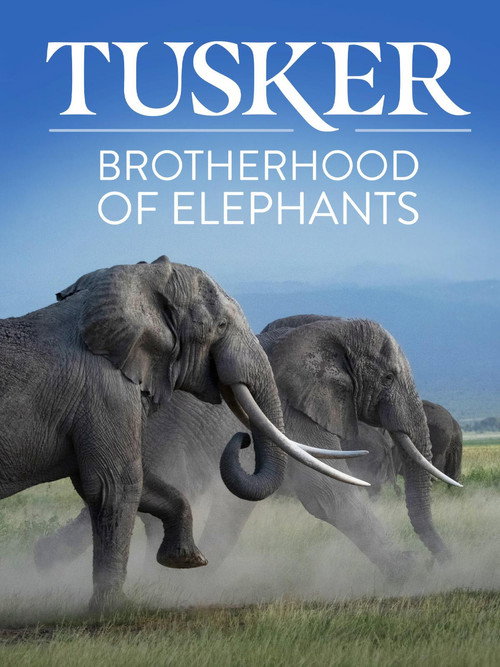
Against the backdrop of Mount Kilimanjaro, meet the majestic "super tuskers": male elephants that carry the wisdom of generations, whose tusks each weigh at least 100 pounds. Follow tuskers at different stages of life as they navigate the trials, transformations, and experiences that come with age and a shifting landscape.