
Loading titles…

Host


The story follows an 18-year-old named Ronaldhino Sujatmiko—known as Dino—who harbors anger toward his father, Warto. Warto is a former local soccer star and soccer gambler whom Dino believes is responsible for his mother’s death. Dino’s chance to leave his village comes through the Tarkam Super Cup, a soccer talent search tournament. The conflict comes to a head when Dino’s main team is taken over by another party just before the final. This situation forces his father, Warto, to step in and form a new team made up of veteran players, despite all the limitations they face.

Documentary about the Football World Cup held in Argentina in 1978, focusing on the competition and behind the scenes of the most important soccer competition in the world. Two versions of the 1978 official film exist, the first "Copa 78 - O Poder do Futebol" was made by Brazilian directors Maurício Sherman and Victor di Mello in 1979 but was later withdrawn by FIFA because of its controversial content. The film includes an interview with Rodolfo Galimberti, one of the leaders of the Montoneros guerrilla group and also made accusations that the Argentinian competition organisation committee had deliberately hindered Brazilian chances of success by tampering with the pitch at Mar del Plata.
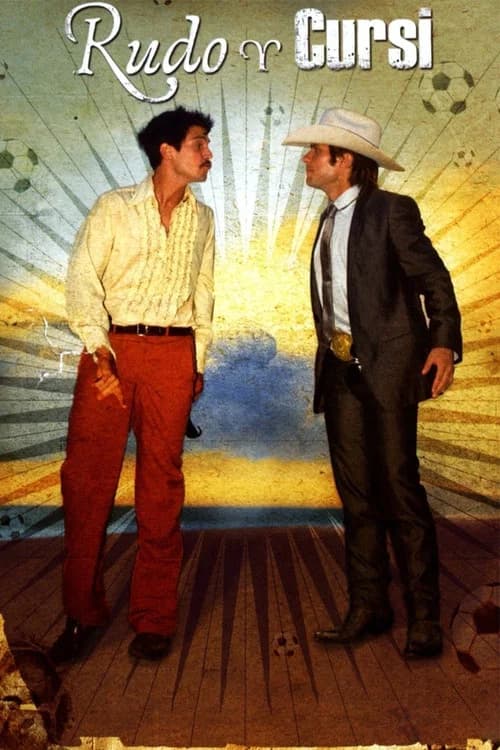
Tato and Beto are poor stepbrothers living on a banana plantation in Mexico. Both are talented soccer players, but their dreams lay elsewhere: tone-deaf Tato wants to be a singer, while Beto is content to remain on the plantation. One day, a sports agent sees the two young men playing soccer and offers to take one of them to Mexico City for a chance at sports stardom.

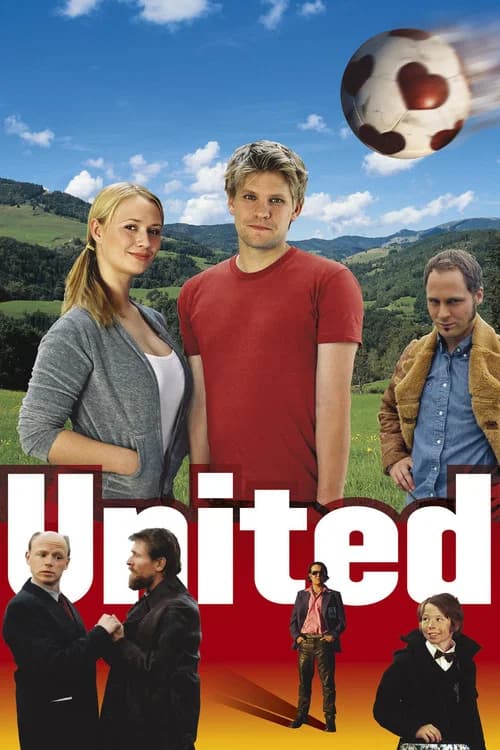
A group of young men suggest to the local tinsmith to make a movie, but he agrees only if its director would be his cousin Šeki, a Red Star FC soccer legend. Šeki, though, thinks that the movie-making is the same thing as a soccer match, which causes many argues amongst the members of the film crew.
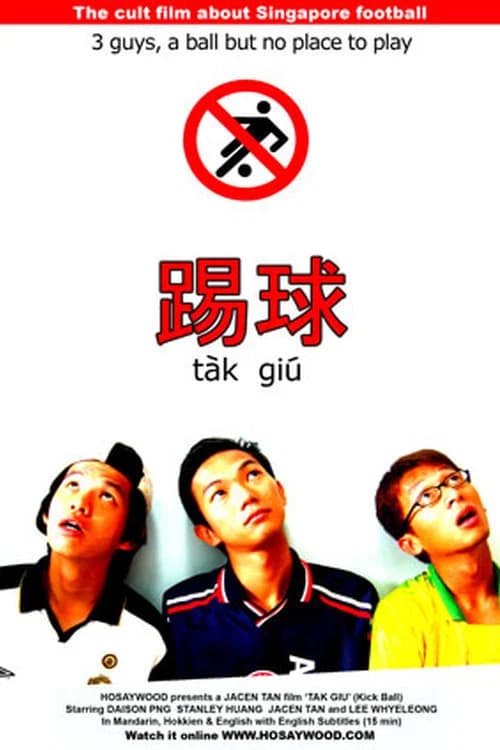
Tak Giu is a cult film about soccer culture in Singapore. Having taken up the challenge of a friendly match, three soccer-crazy boys realize it is not easy to find a good, free public soccer field in Singapore, if there’s any at all. Through their journey they encounter obnoxious caretakers, locked-up fences, hot weather and a persistent policeman. Will they find their dream pitch?

The star player of Icelands top football team causes a stir when he admits to being gay to his team mates and then goes on a journey to discover himself (with the help of the local press). He soon finds himself on the bench for most of his teams matches and decides to call it quits and join a small amateur team made up of men like himself - gay guys trying to play football in a straight world of Icelandic fishing culture machoism

More than 15 years after leaving the country, Eugène Murangwa, the former goalkeeper of the most popular club in Rwanda and national team, returns to his native land to pass on the values of a sport which saved him in 1994 to the young people of an association that he created with former football players. Illustrated with previously unseen archives, the film throws a new light on the history of Rwanda through football, a sport which served the “civilizing” mission of the colonizer, allowed the Hutu Power to mobilize the youth and helped the reconstruction of the country after the genocide.

