

Loading titles…
No cast information available.

It is one of Egypt's enduring mysteries. What happened to Nefertiti and her husband, Akhenaten - the radical king, and likely father of King Tut? In a dark and mysterious tomb located in the Valley of the Kings, there is a small chamber with two mummies without sarcophagi or wrappings. At times, both have been identified as Queen Nefertiti by scholars, filmmakers and historians. But the evidence has been circumstantial at best.


Egypt, nicknamed "the mother of the world" by its people, is unrecognizable. Gigantic construction sites have sprung up in the desert at an exponential rate, including roads, bridges, and megaprojects on the Mediterranean coast. This new Egypt is an illusion: in 10 years, the population has sunk into unprecedented poverty. The regime shows no mercy to the poor. Abdel Fattah el-Sisi, the new pharaoh, and his army have set up a pyramid-shaped financial system, built on subsidies from major international institutions—including the European Union—and foreign investment. The most populous nation in the Arab world finds itself on the brink of collapse.


In Egypt's Sahara Desert, massive skeletons with strange skulls and gigantic teeth jut out from the sandy ground. This fossil graveyard, millions of years old, is known as the "Valley of the Whales." Now, paleontologists have unearthed a whole new species of ancient whale dating to 43 million years ago, and this predator wasn't just able to swim – it also had four legs and could walk. Follow scientists as they search for new clues to the winding evolutionary path of mammals that moved from the land into the sea to become the largest animals on Earth.
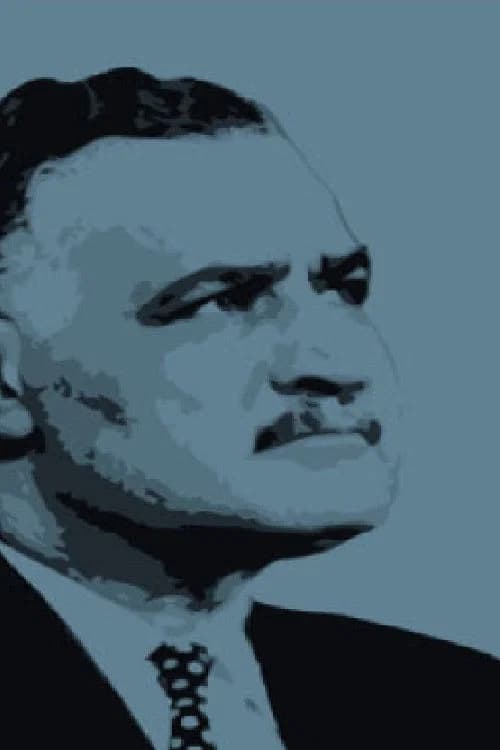
Through eyewitness accounts and archival footage, viewers are taken on a journey through the great battles that defined President Gamal Abdel Nasser's life—from dramatic economic development initiatives to his ambitions for creating a unified Arab nation. The film chronicles his inspiring success and tragic failures while also exploring how he inspired generations of global leaders in both politics and activism.

In the beginning was sex. To the ancient cultures, sexuality, love and sex were inextricably connected with the creation of the earth, the heavens and the underworld. To the citizens of the ancient civilizations that gave birth to ours, sensuality and sexuality were an integral part of society. This series exploration of Egyptian and Roman sexual practice allows viewers the opportunity to see how attitudes and beliefs about sexuality functioned in the early civilizations, and how those attitudes reveal the unspoken rules that defined public and private behavior. Episodes cover human sex and sexuality from a historical perspective, and examines in detail different texts and images which provide us with evidence about sexual practices, beliefs and ideologies in the ancient world – from erotica on pots to legal texts, phallic votive objects, fertility ceremonies, prostitution, female and hermaphroditic creator deities, from religious rituals to sex manuals.
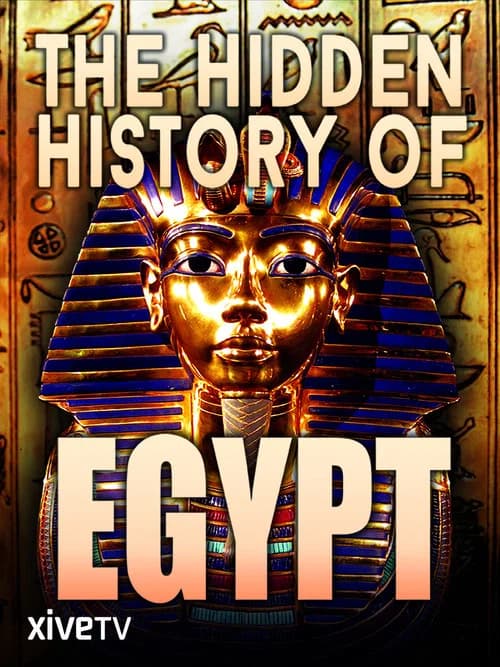
Egyptians were famed for their extravagant building techniques and extraordinary gods, but what about the ordinary citizens? How did they lead their day to day lives? What did they do for entertainment? Did they believe in their gods? Discover astonishing facts that throw new light on our understanding of the Ancient Egyptians.
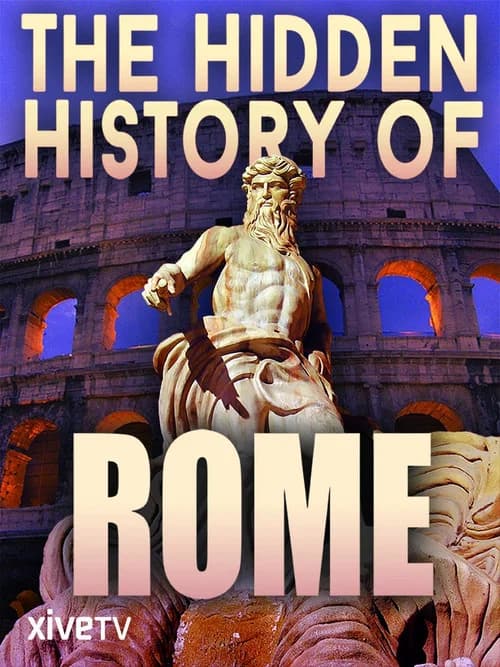
Rome was famed for the decadence of its ruling class, however, what about the ordinary citizens of these ancient cultures? How did they lead their day to day lives in an age when the average life expectancy was little more than forty? Did they believe in the Pagan Gods? What were their sex lives like? What did they do for entertainment? How ordinary Romans lived is, for the most part ...
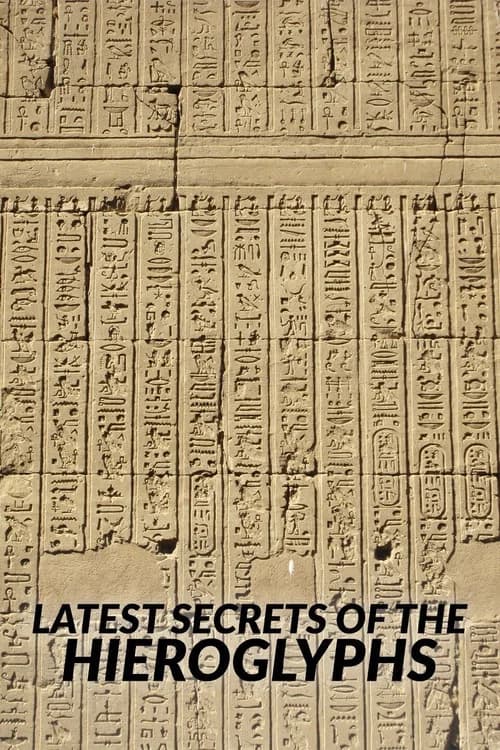
The great history of Egypt is inscribed on its monuments, temples and tombs, but hieroglyphs – the written language of the ancient Egyptians – fell silent until 1822 when a young French scholar, Jean-François Champollion, became the first person to decipher their texts for over a thousand years. Champollion’s insights and the work of other scholars helped bring an entire civilisation back to life. Today, researchers are increasingly interested in the authors who created these hieroglyphic works. Near Luxor, The Latest Secrets of Hieroglyphs follows a new generation of Egyptologists as they unlock the texts inscribed inside a richly adorned tomb, revealing the beliefs and lives of the priests, scribes, painters, engravers and builders who created this grand funerary monument.
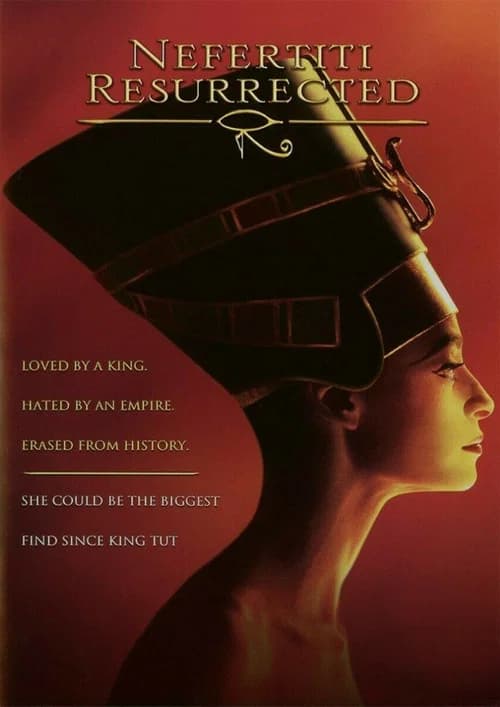
Has the famed Egyptian beauty, Queen Nefertiti, been found in a secret chamber deep in the Valley of the Kings? A Discovery Channel Quest expedition led by Dr. Joann Fletcher and a team of internationally renowned scientists from the University of York Mummy Research Team hopes to find out. If they find her, it will be one of the greatest archaeological discoveries since Nefertiti's stepson, King Tutankhamen, was discovered in 1922. The "Great Royal Wife" of the renegade Akhenaten, Nefertiti was a mother of six who helped lead a religious revolution that changed Egypt and the world forever. Yet after her death, her enemies destroyed all evidence of her life. Now, drawing on 13 years of research, Fletcher and her team bring Nefertiti's turbulent reign to life like never before with cutting-edge computer animations to recreate ancient Egypt's great temples, x-rays to reveal the telltale signs of foul play on her mummy, and forensic graphics to recreate the mummy's face.