
Loading titles…
Cast



A failed track coach finally finds someone who he believes has what it takes to win. The Comrades Marathon is a 90-k race in South Africa. An aging running coach, Barry, wants to field a winner; he's working with four men from a factory, but when he's fired to make way for a smooth, corporate type, he's at loose ends. Then he sees Christine, a Namibian immigrant who runs to forget her troubles. He offers to coach her and soon she's living at his house, following his diet and training regimen. But his single-mindedness gets to her: she wants a job and a place of her own. Plus, the man who replaced Barry likes her and wants her away from Barry. Can runner and coach (woman and man, African and European) sort out their complex relationship before the race? Written by

Run escapes... He just killed the Prime Minister of his country. In order to do so, he had to act as if he was a crazy man, wandering through the city. His life comes back by flashes; his childhood with Tourou when his dream was to become a rain miracle-worker, his adventures with Gladys the eater, and his past as a young member of militia, in the heart of the politic and military conflict in Ivory Coast. All those lives, Run didn't choose them. Every time, he felt in by running from another life. That's the reason why his name's Run.
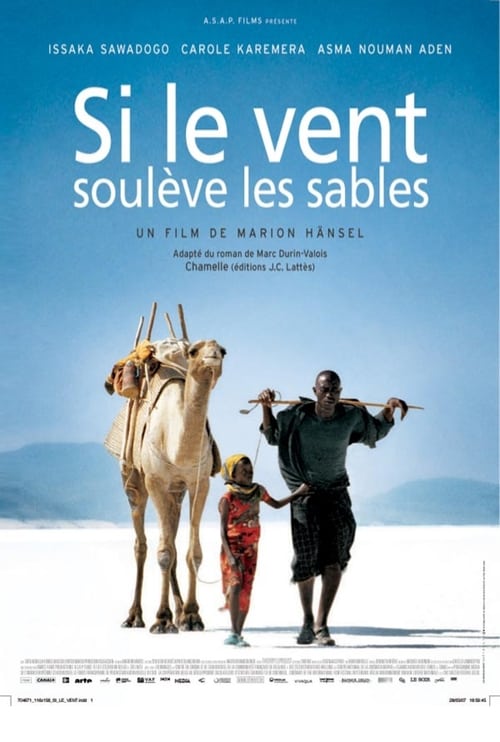
On the one hand, there’s the desert eating away at the land. The endless dry season, the lack of water. On the other there’s the threat of war. The village well has run dry. The livestock is dying. Trusting their instinct, most of the villagers leave and head south. Rahne, the only literate one, decides to head east with his three children and Mouna, his wife. A few sheep, some goats, and Chamelle, a dromedary, are their only riches. A tale of exodus, quest, hope and fatality.

A Luta Continua explains the military struggle of the Liberation Front of Mozambique (FRELIMO) against the Portuguese. Produced and narrated by American activists Robert Van Lierop, it details the relationship of the liberation to the wider regional and continental demands for self-determination against minority rule. It notes the complicit roles of foreign governments and companies in supporting Portugal against the African nationalists. Footage from the front lines of the struggle helps contextualize FRELIMO's African socialist ideology, specifically the role of the military in building the new nation, a commitment to education, demands for sexual equality, the introduction of medical aid into the countryside, and the role of culture in creating a single national identity.
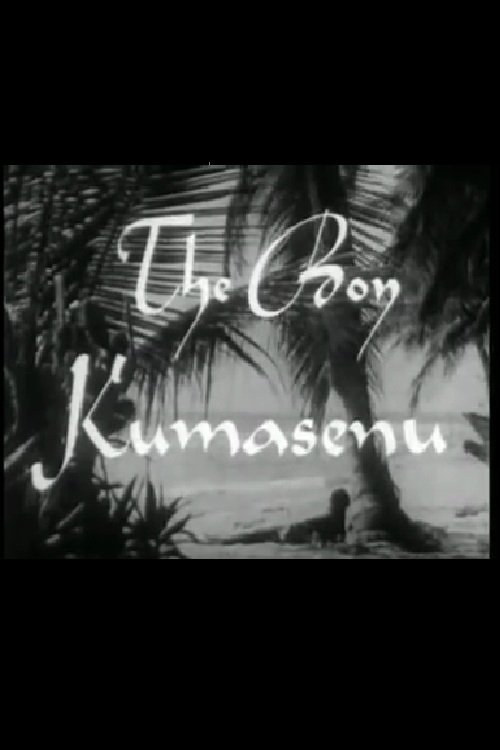
It tells the story of a boy Kumasenu who moves to the city of Accra from a small fishing village, encouraged by his cousin Agboh's exaggerated tales of the wonders of city life. Hungry, he steals bread and is caught by police, but is rescued by a doctor and his wife who find him work. Agboh attempts to get Kumasenu to rob the doctor, but Kumasenu foils his cousin's plans.