Loading titles…
Drama / Comedy / Music
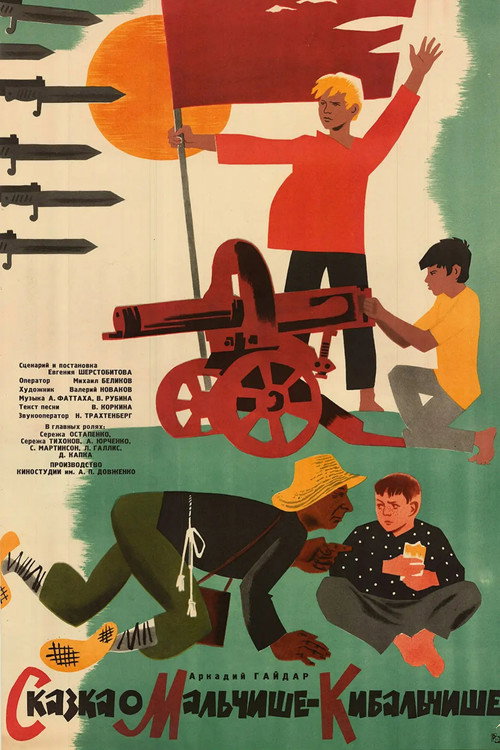
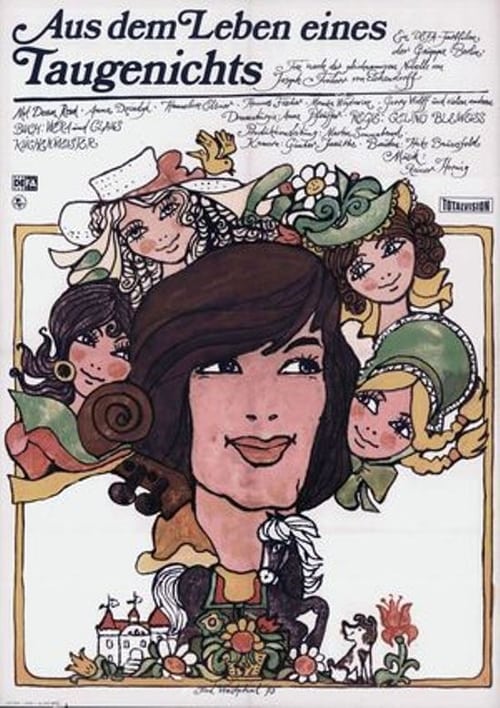
Screen adaptation of Eichendorff's famous novella. A penniless drifter roams the land with his violin and preferably sings his songs to beautiful women. Two of his female admirers get him employed as a gardener at a castle. Yet he doesn't settle down for long, and moves on to…
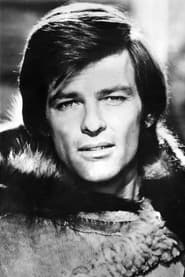
Taugenichts

Die Gräfin

Die 3. Schöne
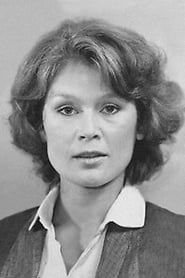
Kammerjungfer
1. Dame

Guido alias Flora

Die 1. Schöne
Die 2. Schöne

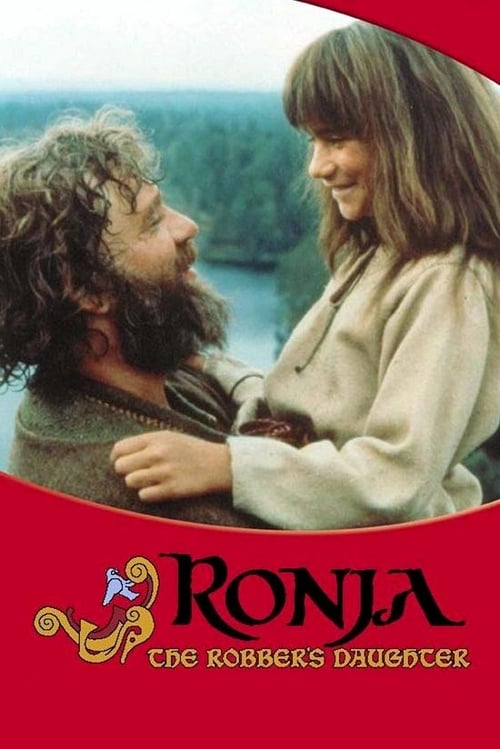
Ronia lives happily in her father's castle until she comes across a new playmate, Birk, in the nearby dark forest. The two explore the wilderness, braving dangerous Witchbirds and Rump-Gnomes. But when their families find out Birk and Ronia have been playing together, they forbid them to see each other again. Indeed, their fathers are competing robber chieftains and bitter enemies. Now the two spunky children must try to tear down the barriers that have kept their families apart for so long.


In post–civil war Spain, 10-year-old Ofelia moves with her pregnant mother to live under the control of her cruel stepfather. Drawn into a mysterious labyrinth, she meets a faun who reveals that she may be a lost princess from an underground kingdom. To return to her true father, she must complete a series of surreal and perilous tasks that blur the line between reality and fantasy.

Set several years after the first film, Ariel and Prince Eric are happily married with a daughter, Melody. In order to protect Melody from the Sea Witch, Morgana, they have not told her about her mermaid heritage. Melody is curious and ventures into the sea, where she meets new friends. But will she become a pawn in Morgana's quest to take control of the ocean from King Triton?

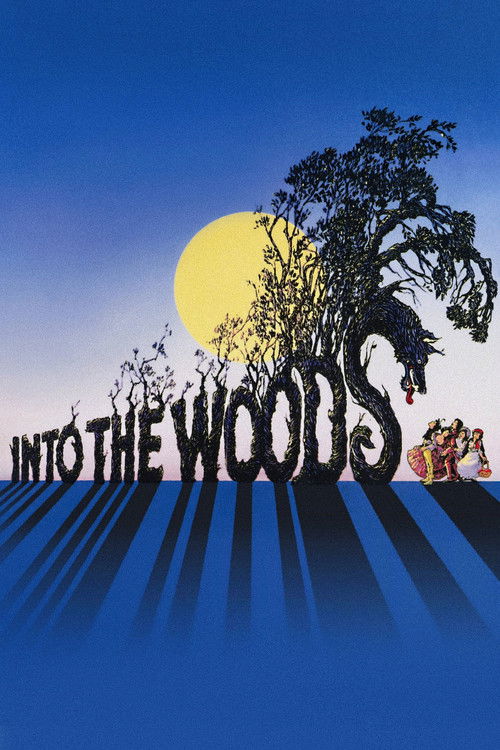


Even today, Mathias Kneißl (1875-1902) is considered a national hero in the collective memory of Bavaria. During his lifetime, he was the most wanted criminal in Bavaria and even Prince Regent Luitpold was reported daily on the hunt for the lawbreaker report. Again and again Kneißl's story has occupied the Bavarian artists: his life was retold in folk songs and murders, sung in ballads, filmed and treated in various plays. In his feature film version, the Bavarian filmmaker Marcus H. Rosenmüller relies on a rapid staging, opulent images and a moving love story.

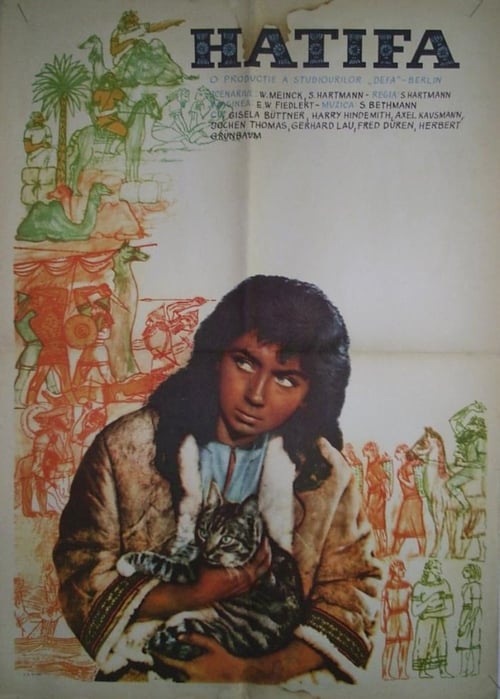
Hatifa is tired of her difficult fate and escapes from the place of her enslavement, a quarry in the desert. There she wanders around in freedom, but ultimately helpless, without water or food. Shortly before dying of thirst, she is saved by the sage Simsal, who is traveling with a caravan of the merchant Ganem. Hatifa quickly makes many friends, including the young servant Hodja. Only to him she confides her secret. The girl had to keep the fact that she was a slave to herself. After all, anyone who helps escaped slaves is mercilessly threatened with the death penalty. Out of consideration for the caravan, they both flee, but are soon picked up by Ganem. When he realizes that he can make a lot of money with Hatifa, he sells her again to a quarry.

Rinaldo Rinaldini

Maler
Graf Leonhard
Gärtner