
Horst Schulze
Karl Liebknecht
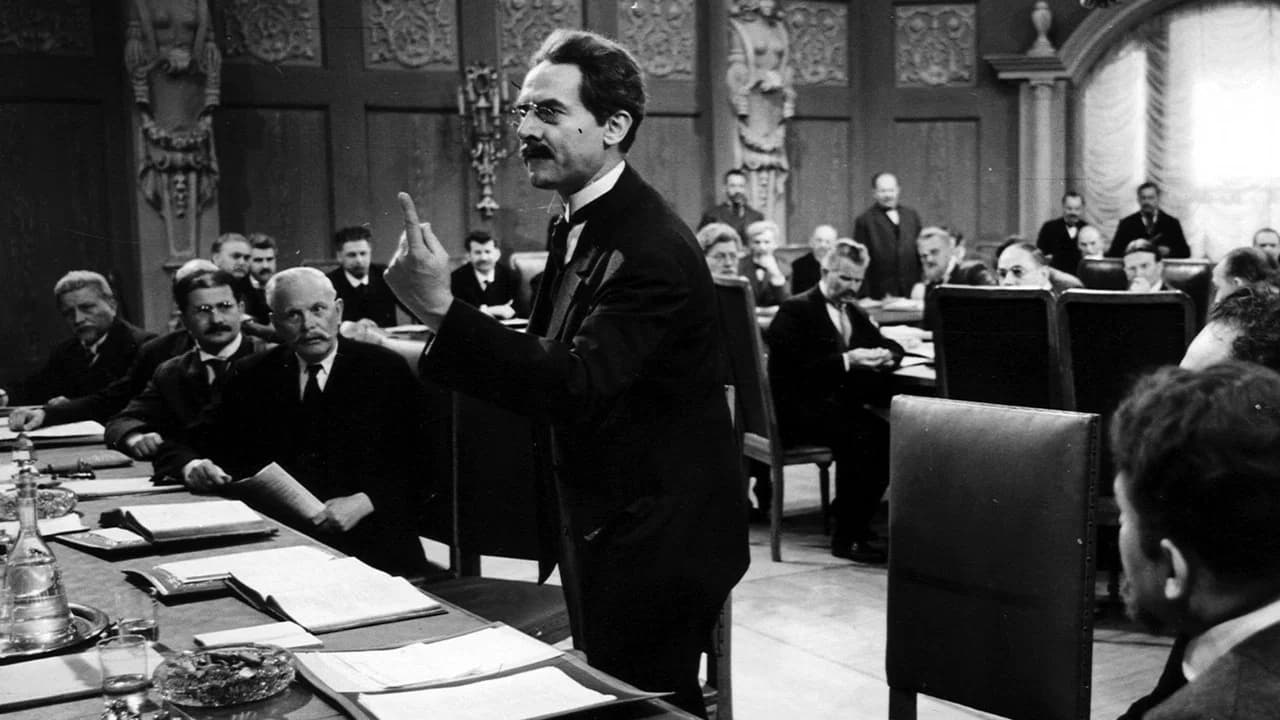
This is part one of a two-part biopic about Karl Liebknecht. In 1914, Germany is arming itself for war. Karl Liebknecht, left-wing revolutionary Social Democrat, workers’ leader and a virulent antimilitarist, is one among 110 SPD members of Parliament who vote against approving…
Karl Liebknecht

Sophie Liebknecht
Frolow
Paul Schreiner
Milda Schreiner

Käthe Schreiner

Werner Gutjahr
Albin Holzer
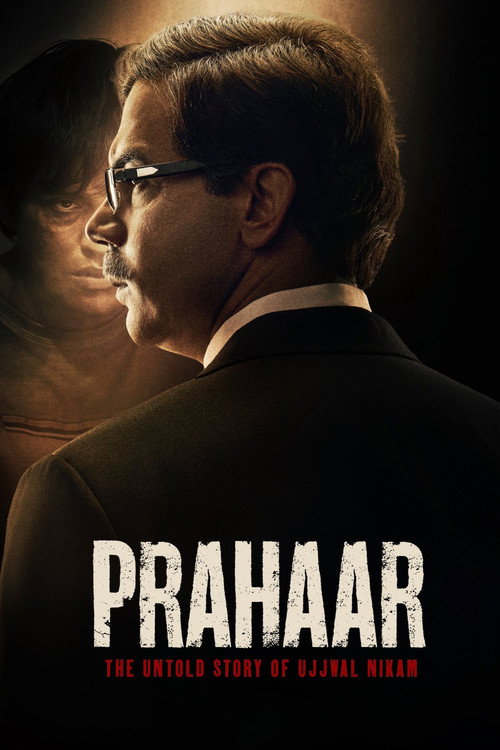
Public prosecutor Ujjwal Nikam takes on one of the most high-profile criminal cases in India’s history, leading the prosecution in the trial of Ajmal Kasab following the 26/11 Mumbai terror attacks. As he battles to uncover the truth and secure justice, Nikam must confront the immense personal and professional burden of a case that will define his legacy.

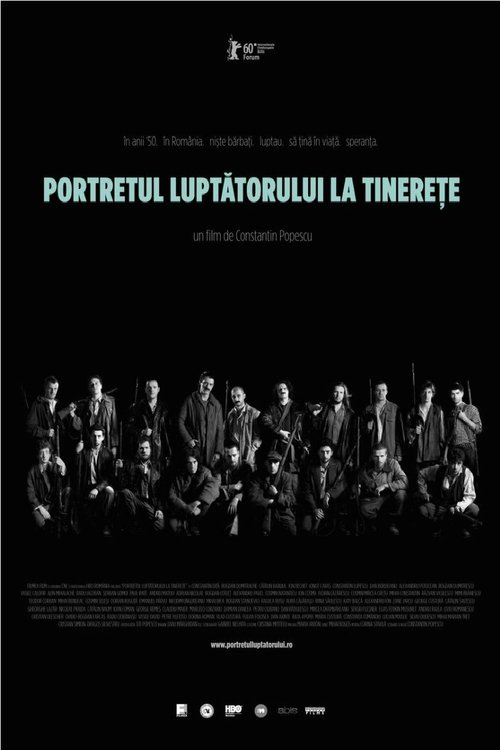
When the Soviet Army marched into Romania in 1944, a part of the Romanian population went “into the mountains” – a diverse assortment of nationalists and fascists, liberals, apolitical farmers and members of the middle-class, who were affected by the Communists’ expropriations. Over a thousand armed resistance groups took refuge in the inaccessible forests of the Carpathian Mountains where they waited in vain for the support of the Western Allies. One of them was led by Ion Gavrilă-Ogoranu, who managed to remain undetected until 1976 when he was arrested. This film depicts the daily existence of this group. It tells the story of a struggle that became an end in itself, as the enemy was constantly in pursuit and arrest meant torture and often liquidation. Hungry and emotionally withdrawn, the group of young men got entangled in a partisan war that could not be won, lost in the landscape of the South Carpathians, accompanied by a vigilant secret police, the Securitate.



A universal theme: a story of people trapped in an inhuman network of power. The brutal circle of the Eurogroup meetings, who impose on Greece the dictatorship of austerity, where humanity and compassion are utterly disregarded. A claustrophobic trap with no way out, exerting pressures on the protagonists which finally divide them.
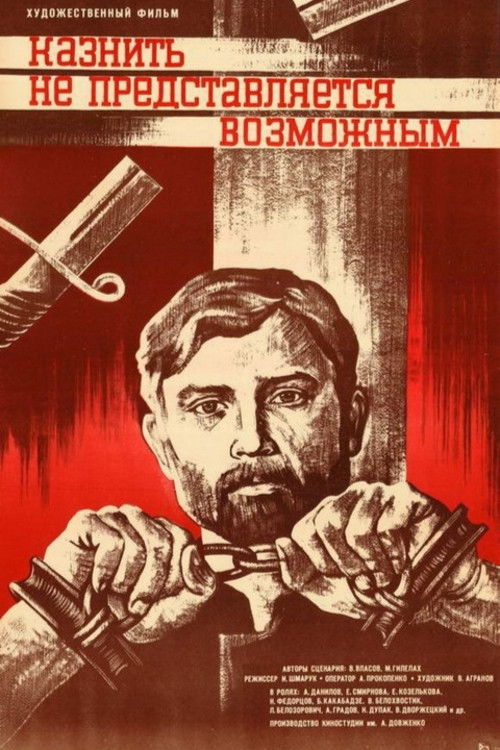
Boris Zhadanovsky, a hereditary nobleman and officer who was predicted to have a brilliant military career, sides with the rebellious people. In 1905, Zhadanovsky is sentenced to death for his revolutionary activities. However, a powerful strike movement organized in response to the court's decision forces the tsarist government to commute the sentence to life imprisonment. After the revolution, Zhadanovsky joins the Red Army and dies fighting the White Army.
Waldemar Lehmann
Ernst Lemke
Tischler
Seine Frau