

Loading titles…

Jeanne

Igor

Natacha
Ève
Gaëlle
Gildas

William

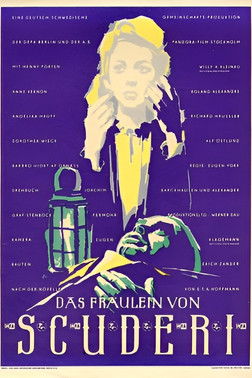
Several men have been murdered lately, mostly rich lovers on their way to meet their mistresses with gifts of fine jewelry. To fight this scourge, King Louis XIV decides to create a special court named "La chambre ardente", designed to find and punish the perpetrators of such heinous crimes. An unexpected person, Mademoiselle de Scudéry, the famous poetess, will find herself entangled in the web of a criminal intrigue linked with the jewel murders, along with a a goldsmith, his daughter and her fiancé...

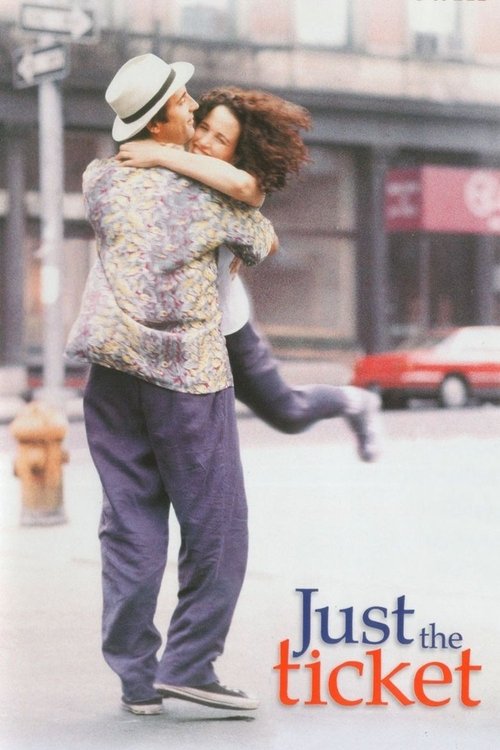
Gary Starke is one of the best ticket scalpers in New York City. His girlfriend, Linda, doesn't approve of his criminal lifestyle, though, and dumps him when she gets the opportunity to study cooking in Paris. Gary realizes that he has to give up scalping if he has any chance of winning her back. But before he does, he wants to cash out on one last big score. He gets his chance when the pope announces he'll be performing Easter Mass at Yankee Stadium.

When married British women Rose Arbuthnot and Lottie Wilkins decide to take a break from their respective spouses, they stay at a castle in Italy for a quiet holiday. Joining the ladies is Caroline Dester, a young socialite, and Mrs. Fisher, an older aristocrat. Liberated from their daily routines, the four women ease into life in rural Italy, and each finds herself transformed by the experience.




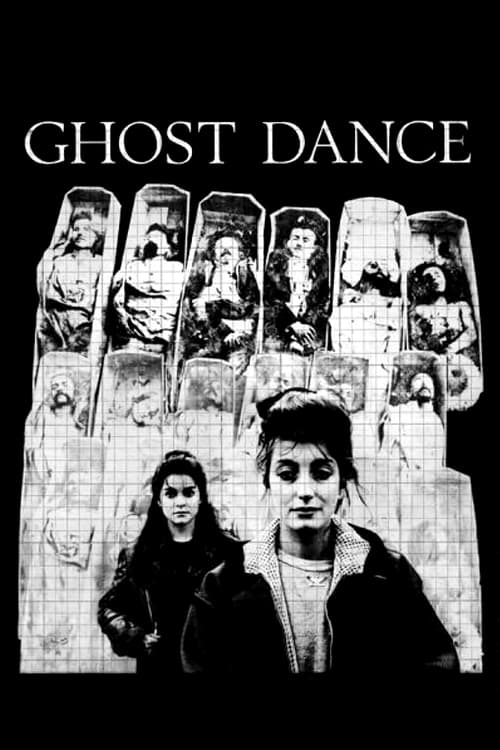
Through the experiences of two women in Paris and London, Ghost Dance offers an analysis of the complexity of our conceptions of ghosts, memory and the past. The film focuses on the French philosopher Jacques Derrida, who observes, 'I think cinema, when it's not boring, is the art of letting ghosts come back.' He also says that 'memory is the past that has never had the form of the present.'