
Loading titles…
Documentary
This short documentary studies life in the village of Kangirsujuaq, Nunavik. In this community on the edge of the Arctic Ocean, children’s laughter fills the streets while the old people ponder the passage of time. They are nomads of the wide-open spaces who are trying to get…


Cast
Cast
Cast
Cast
Cast
Cast

María is an Amorúa girl; an indigenous group that traveled the savannas of Orinoquía as nomads. She lives with her grandmother Matilde, her sister diana and her cousins in Puerto Carreño, in the Colombia-Venezuela border. The amorúa are considered wild and are not literate. Matilde wants her granddaughters to learn to write and read to live better in this town of "rational whites" as they call us. The director follows María's life for 8 years from her childhood to her adolescence and invites her to travel the places her grandma did as a nomad.

The film tells a very personal story from two perspectives: our protagonist is both doctor and patient. As a patient, he has struggled with recurring depression for years, and as a doctor he wants to find out why. The search for the origins of his illness leads him into the realm of his own genes and casts light on the fundamental changes facing modern society as a result of the tremendous progress being made in the field of genetic sequencing. Along the way, he meets a host of people – researchers, artists, visionaries – who have developed their own very individual approach to genetic coding and are drawing attention to the social significance of genetic technology. The film does not restrict itself to a scientific view of the subject but also makes use of artistic visions and more playful approaches to genetic blueprints.

In 2008, Gretchen divided her twerking between the stage and the podium. The singer and dancer – also known as the "Booty Queen" – traveled through villages in the northeast of Brazil, making a living as an artist in local circuses and making noise in her campaign for mayor of Itamaracá Island, in Pernambuco. From circus to circus, the film records the performer's experiences to face her political opponents and her new audience, the electorate.

The Idiot Cycle investigates six major chemical companies—Dow Chemical, BASF, Bayer, Dupont, Astrazeneca and Monsanto—that are not only responsible for producing decades of cancer causing chemicals and pollution all across the globe, but also profit extensively from controlling cancer treatments and the production of drugs for those treatments. The irony is palpable. Also examined is how these very same companies own the most patents on genetically modified foods that have also never been tested for long-term health impacts like cancer. When there’s dioxin in every mother’s breast-milk, rivers throughout the world that no longer support life, cataclysmic environmental damage from industry and manufacturing—when do we say enough is enough?


From the Institute of Legal Medicine, "The Room of Bones" follows several mothers from El Salvador who search for the remains of their children, who were disappeared amidst violence in their country. The film is a look at the twenty or more bodies that are received at the morgue on a monthly basis and remain unclaimed; the story of DNA with no name, or identifiable family, of bodies that became cadavers after being struck for belonging to a rival gang.

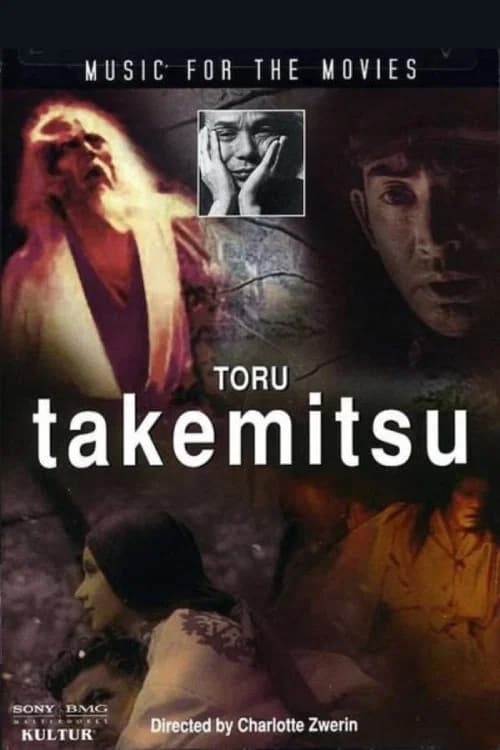
Inspired to write music after hearing the French song "Parlez-Moi d'Amour" during World War II, film composer Toru Takemitsu enjoyed a rich career working with many of Japanese cinema's greatest directors. Rarely interviewed filmmakers such as Hiroshi Teshigahara (Woman in the Dunes) and Masaki Kobayashi (Kaidan) expound on the varied sonic palettes Takemitsu left upon their works.


