


Loading titles…

Self

Self

Self - Actor, Diff'rent Strokes
Self
Self
Self - Child Talent Manager
Self - Investigative Journalist
Self - Co-Founder, BizParentz
Self - Professor, Occidental College
Self - Author, Perv: The Sexual Deviant In All of Us
Self - Former Los Angeles Times reporter
Self - Prosecutor, Marty Weiss case
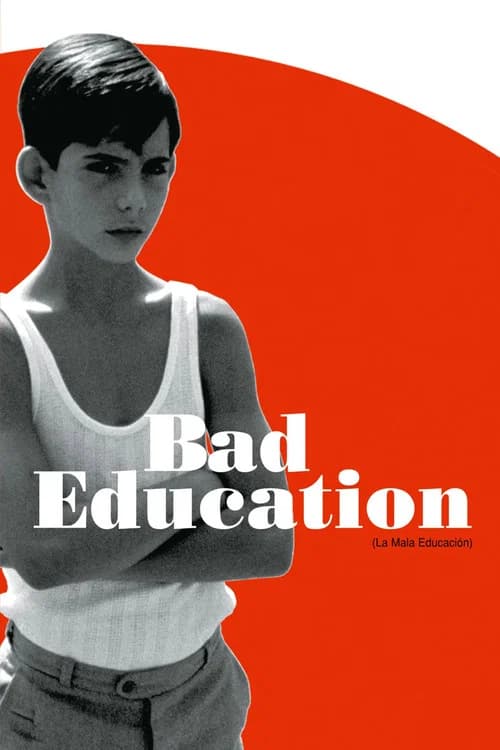
When an old friend brings filmmaker Enrique Goded a semi-autobiographical script chronicling their adolescence, Enrique is forced to relive his youth spent at a Catholic boarding school. Weaving through past and present, the script follows a transvestite performer who reconnects with a grade school sweetheart. Spurred on by this chance encounter, the character reflects on her childhood sexual victimization and the trauma of closeting her sexual orientation.

After casting painter and video artist Mania Akbari as the central figure of his groundbreaking Ten (2002), and then witnessing her outstanding debut as a feature film director in 20 Fingers (2004), Abbas Kiarostami urged her to direct a sequel to the film. In Dah be alaveh Chahar (10 + 4), though, circumstances are different: Mania is fighting cancer. She has undergone surgery; she has lost her hair following chemotherapy and no longer wears the compulsory headscarf; and sometimes she is too weak to drive. So the camera follows her to record conversations with friends and family in different spaces, from the gondola she had famously used in her first feature to a hospital bed.


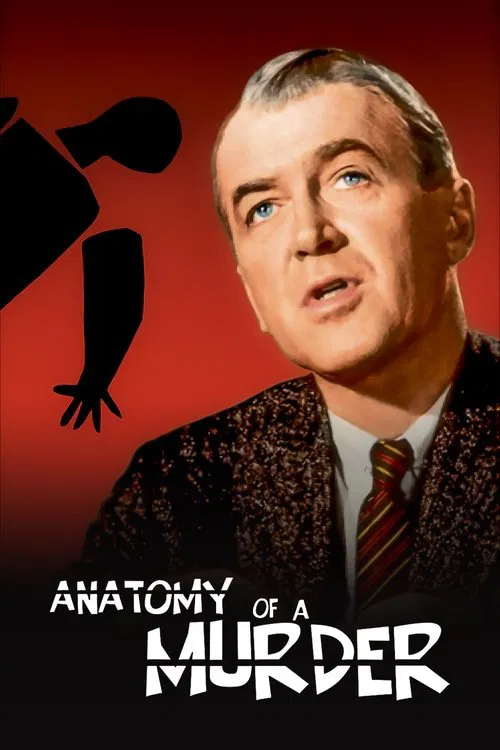
Semi-retired Michigan lawyer Paul Biegler takes the case of Army Lt. Manion, who murdered a local innkeeper after his wife claimed that he raped her. Over the course of an extensive trial, Biegler parries with District Attorney Lodwick and out-of-town prosecutor Claude Dancer to set his client free, but his case rests on the victim's mysterious business partner, who's hiding a dark secret.


Throughout the Islamic world, each year hundreds of women are shot, stabbed, strangled or burned to death by male relatives because they are thought to have “dishonoured” their families. They may have lost their virginity, refused an arranged marriage or left an abusive husband. Even if a woman is raped or merely the victim of gossip, she must pay the price. Crimes of Honour documents the terrible reality of femicide – the belief that a girl’s body is the property of the family, and any suggestion of sexual impropriety must be cleansed with her blood. We meet women in hiding from their families, a brother who describes his reasons for killing the sister he loved, and a handful of women who have committed themselves to the protection of young women in danger of losing their lives.

