

Loading titles…
Documentary
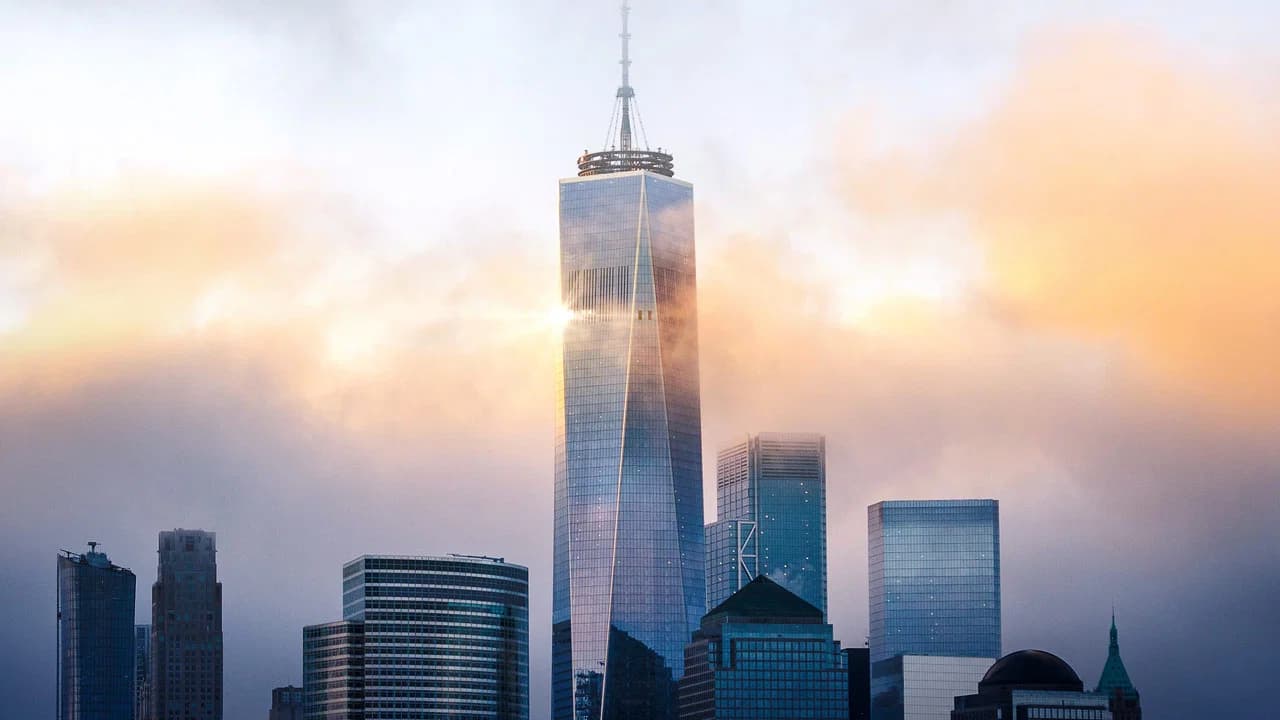
Chronicling the reconstruction of the World Trade Center and restoration of the New York City skyline, with a focus on the construction workers who made it happen. Thirteen cameras placed throughout the site document eight years of progress with stunning time-lapse imagery, and…

No cast information available.

In the early nineties, before the massive gentrification of many of New York's then slums, several young people from very disparate backgrounds left their broken homes and ventured onto the brutal streets of the city. United by their love of skateboarding, they formed a family and built a unique lifestyle that eventually inspired Kids, a groundbreaking and outrageous film directed by photographer Larry Clark and released in 1995.

On the evening of April 30, 1971, a standing room only audience of local literati and feminists packed New York City’s Town Hall to watch Norman Mailer, who had just written “The Prisoner of Sex,” grapple with a panel of passionate feminists. The subject was Women’s Liberation, an issue on which Mailer seemed like the devil’s own advocate.

Stockholm Syndrome chronicles the meteoric rise of contemporary trendsetter A$AP Rocky, capturing the exuberance of youth and urgency of hip-hop in equal parts, before taking a detour into darkness. With amazing access, the film reveals Rocky’s experience with the inequities of the Swedish judicial system and the dangers of stardom and scapegoating through a series of twists and turns, ultimately paralleling the need for prison reform in our own backyard. Directed by The Architects, the film blends archival footage with contemporary interviews, animation, and electrifying live concert footage to tell the astonishing story of how one of rap’s biggest superstars became embroiled in an international incident, leading to an unexpected political awakening.


A documentary about the confluence of Christianity and mixed martial arts, including ministries which train fighters. The film follows several pastors and popular fighters in their quest to reconcile their faith with a sport that many consider violent and barbaric. Faith is tried and questions are raised. Can you really love your neighbor as yourself and then punch him in the face?


A film essay contrasting the modern metropolis with its "golden age" from 1830-1930, with the participation of some of New York's leading political and cultural figures. Made at a time when the city was experiencing unprecedented real estate development on the one hand and unforeseen displacement of population and deterioration on the other. Empire City is the story of two New Yorks. The film explores the precarious coexistence of the service-based midtown Manhattan corporate headquarters with the peripheral New York of undereducated minorities living in increasing alienation.

9/11 was perhaps the defining historical event of the postwar era. Broadcast live around the world like horrifying theatre, it was a moment in history imprinted onto people's memories. But what was it like to actually live through, and how easy is it to move on from a day that society wants to go on remembering? Twenty years on, this film brings together 13 ordinary people who were caught in an event they weren't able to fully comprehend at the time and which they are still working through.

A man named Walt who has recently completed building a fallout shelter in his home, a project initiated due to the threat of nuclear war during the Cold War era. Walt demonstrates to his friends the multi-functionality of the shelter, which can also serve as a darkroom, an extra bedroom, or a safe space during tornadoes. He explains the construction process in detail, emphasizing the need for precise measurements, proper leveling, and the use of concrete blocks for radiation protection. The shelter includes a stock of essentials like a radio, batteries, and a fire extinguisher. Walt’s narrative is interspersed with advice on obtaining official bulletins for guidance and the importance of building shelters correctly. The film concludes with a message from the Director of the Office of Civil and Defense Mobilization, advocating for the construction of family fallout shelters across America as a means of personal safety and national security in the nuclear age.