
Loading titles…
Bill Sloane
Sharon Sloane

Nanette Nolan
Paul Nolan
Keith Hunter
Marge
Attorney
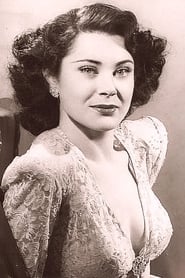
Attorney's Wife
Go Go Girl
Dancer

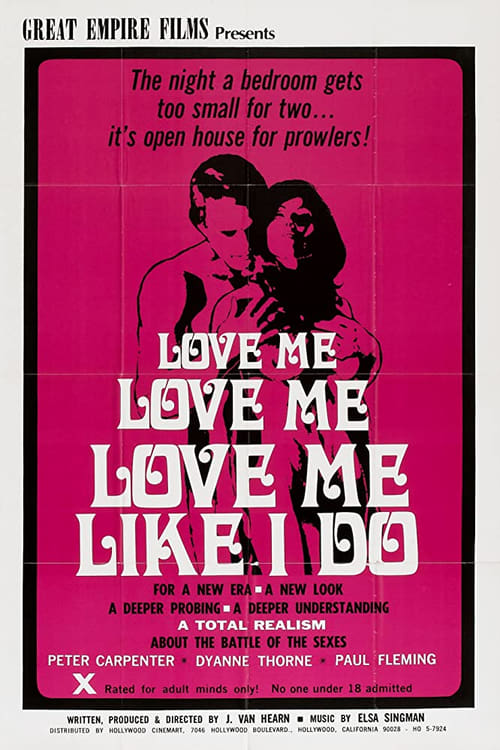
Cynthia Kyle enters puberty with a vengeance, murdering her parents as they make love: she's wanted her father to love only her. Eight years later, she's free and wants to marry, but nightmares plague her so she seeks psychiatric help. The doctor asks her to describe a dream: it's long and elaborate with dreams within dreams of Lucifer, Hell, and her parents in various guises. To shed her guilt, the shrink recommends that she commit suicide in her next dream. In it, she falls in love with an artist who reminds her of her father, responds to a woman who finds her attractive, and celebrates her first school-yard kiss. The dream takes her back to her parents' bedside. Is any cure possible?

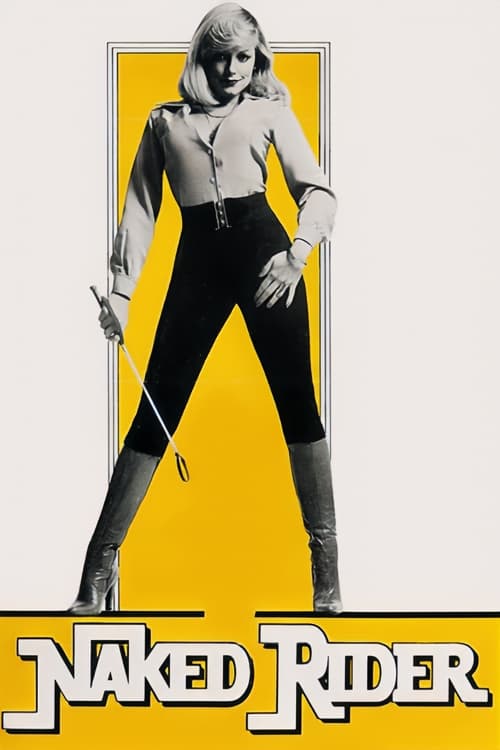
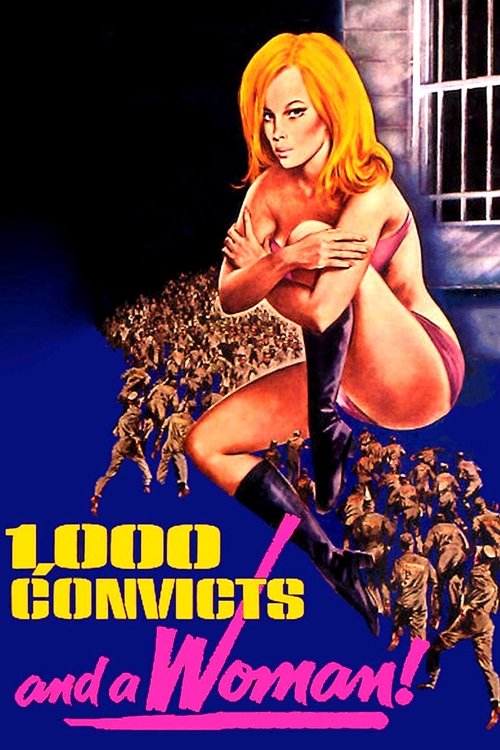

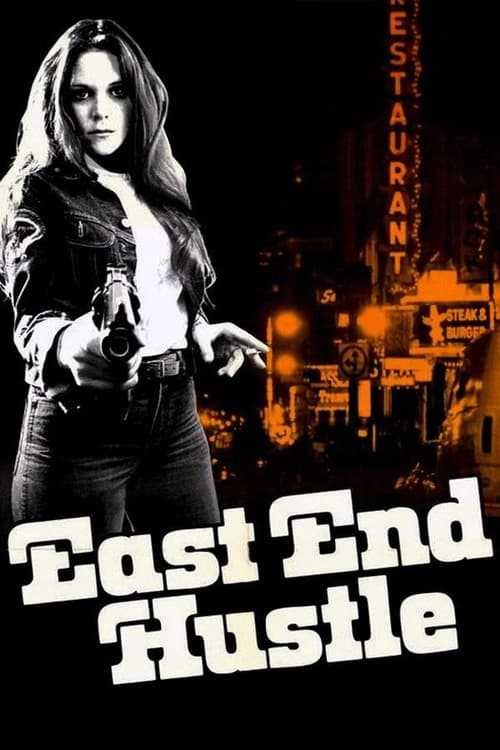
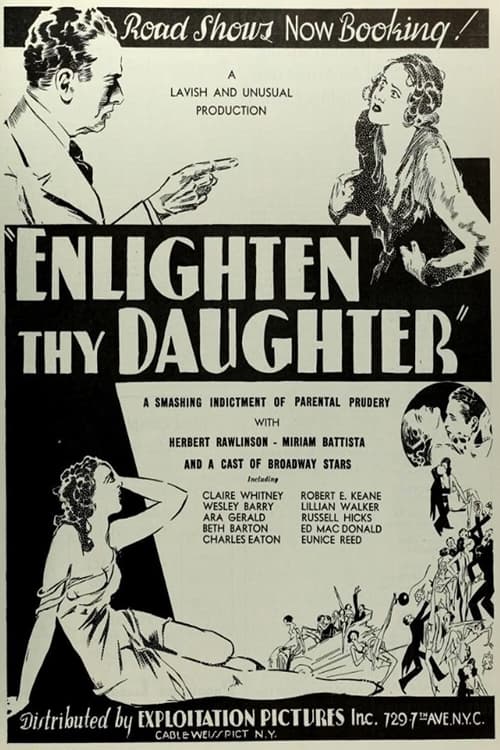
Teen-Age is another "exposé" film of the 1940s, cheaply made but widely distributed. In the guise of a warning against wartime juvenile delinquency, the film offers the exploitational tale of a bunch of wild, unsupervised kids at large in a small community. With nothing but time on their hands, the young protagonists become involved with petty theft, inevitably leading to some pretty serious consequences.
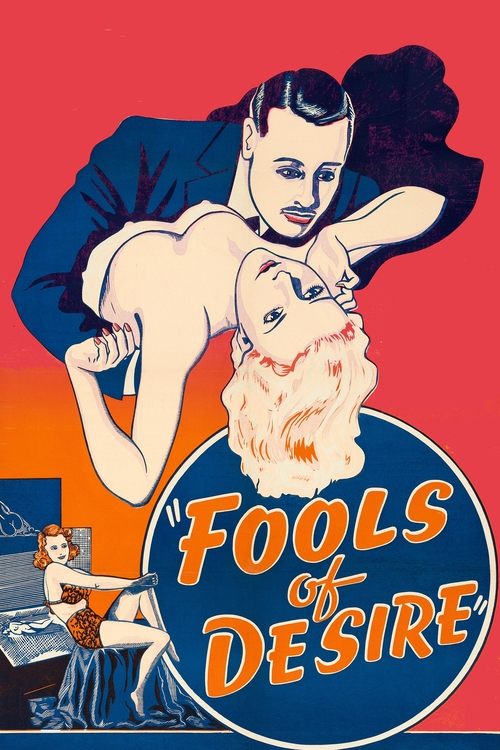
Wilbur Crane is a meek, mild-mannered bookkeeper who no longer finds his wife, Martha, attractive and sets out for a little fling among the fast crowd while looking for love in all the wrong places. Dorothy, a gold-digger first class, and her business-manager friend, Danny, oblige him. Through camera angles,"art" photos, some semi-nudity, special camera-effects (by Ray Mercer), and strange interludes in Wilbur's mind, and off-screen voices, long-time poverty-row b-western director Bernard B. Ray embarks on the exploitation trail.