Loading titles…
Documentary
Can you imagine a water market? A market where owners of water stock would buy and sell, while others would profit on its price without needing it? What would life be like if all of the planet’s water resources, superficial or subterranean, the waters of rivers, lakes and…
No cast information available.
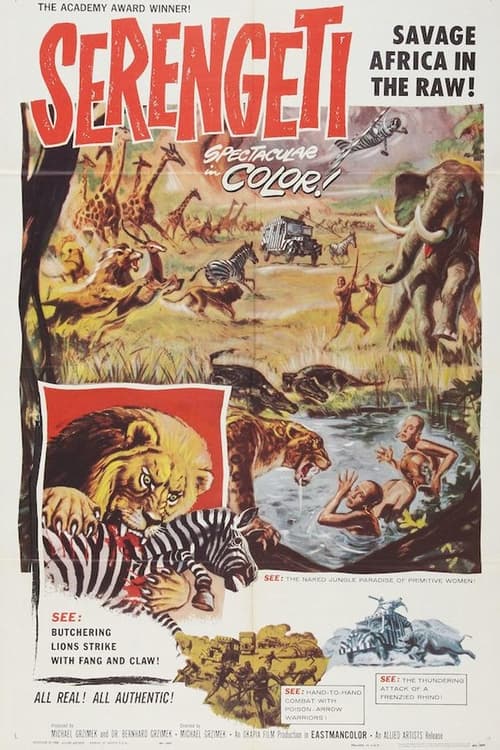
The film tells of the beginnings of the Serengeti National Park in Tanzania. At the end of the 1950s, the Tanzanian National Park Administration wanted to fence in the protected area around the Ngorongoro Crater. Bernhard and Michael Grzimek were invited by the national park administration in 1957 to get a precise picture of the animal migrations and to provide the national park administration with the values they needed for their project. Using a new counting method with two airplanes, the Grzimeks found out that the migration of the herds was different than assumed.

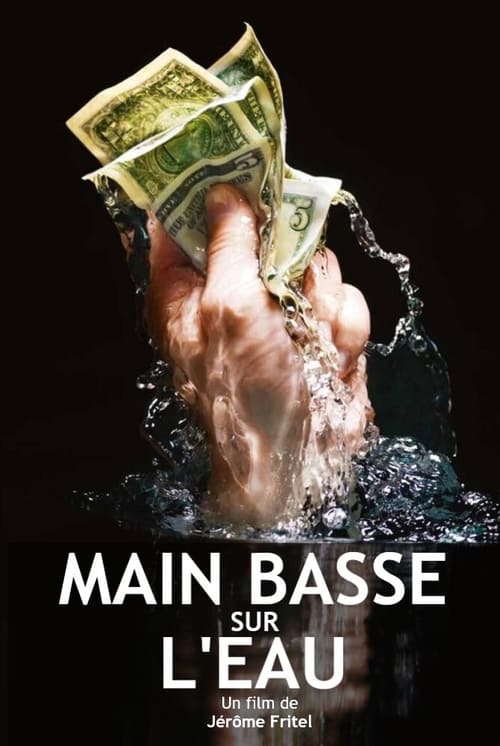
They call it ’blue gold.’ Around the world, demand for water is exploding. By 2050, at least one in four will live in a country suffering from water shortages - creating ideal conditions for a new market. Goldman Sachs, HSBC, UBS, Allianz, Deutsche Bank, BNP. Banks, investment funds and hedge funds are all rushing to invest billions of euros in anything related to water. A real monopoly of water has begun. From California to Australia, from New York to London via Marseille, we investigate the financialization of water. New power relations are being established and access to water is being threatened. It’s a battle taking place on many fronts: ideological, political, environmental, and of course, economic. The fate of nearly 10 billion inhabitants around the world depends on its outcome.
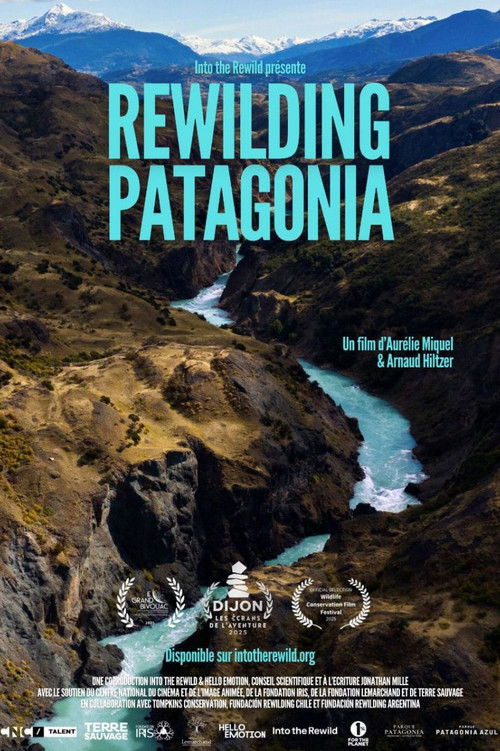
This is one of the most beautiful rewilding stories of our time, that of Douglas and Kristine Tompkins, a couple of successful entrepreneurs – The North Face and Esprit – who decided to dedicate themselves to protecting vast territories in Patagonia. The results of their actions are astounding: in 30 years they enabled the creation and expansion of 18 national parks between Chile and Argentina, covering a total area of 7 million hectares, equivalent to the size of a country like Ireland. By transforming these spaces and reconstructing natural ecosystems, the development of these parks has also enabled the creation of social bonds, developed a new form of economic activity, brought forth a political space, and contributed to strengthening the population’s sense of belonging to their territories.

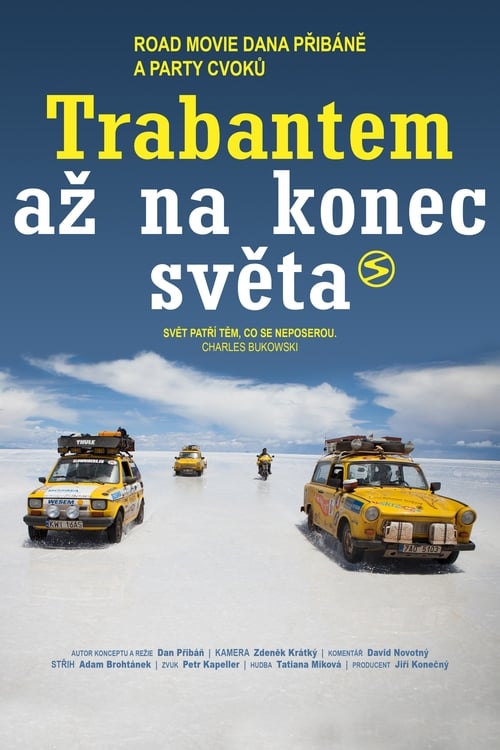
The third installment in Dan Přibáň's series of travel documentaries describes the author's journey with his friends across South America in vehicles that are often notorious but cult in their own way. The charming dynamics of the group on screen are further enhanced by the high-quality craftsmanship.