Agnès Adam
Agnès Adam
Herself
A philosophical film work based on the French philosopher Simone Weil's thoughts, beautifully translated into grainy 16mm footage from early modernism's absolute center, Paris, and divided into chapters like stations on a night-time ride with the metro.
Herself

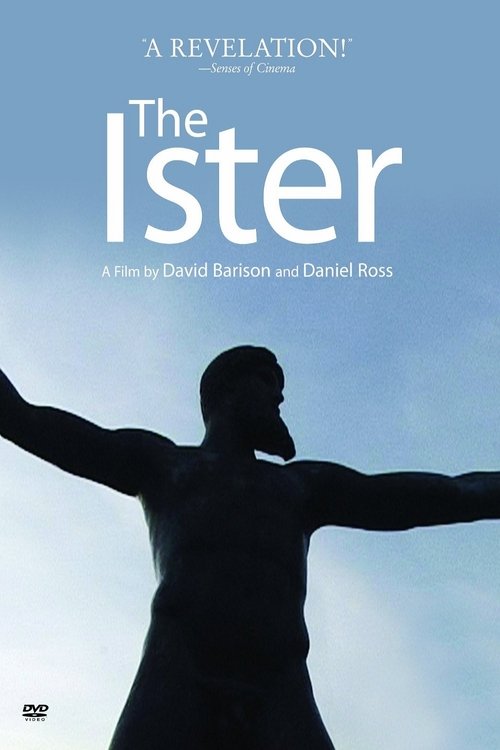
The Ister is a 3000km journey to the heart of Europe, from the mouth of the Danube river on the Black Sea, to its source in the German Black Forest. Hailed by Scott Foundas of Variety as "a philosophical feast—at which it is possible to gorge oneself yet leave feeling elated,” the film is based on the work of one of the most influential and controversial philosophers of the 20th century, Martin Heidegger, who in 1933 swore allegiance to the National Socialists. By joining a vast philosophical narrative with an epic voyage along Europe’s greatest waterway, The Ister invites you to unravel the extraordinary past and future of ‘the West.’
Philosopher Johnny Golding ruminates on a formative childhood experience, when her father brought home an early prototype of night vision he was working on for the American Military 'Project Eyeglass'. Shot using corrupted night-vision footage, the film explores Johnny's interest in quantum physics, entanglement and her philosophy of Radical Matter.
Johan van der Keuken explains, "Some fifteen filmmakers were asked to make a film series in a relay style for a very popular variety program on Dutch television: each new program was to start from the last image of the previous program, developing the story from that image. It was necessary to work according to codes of the crime thriller. I 'sabotaged' these codes, following a close-up of a pistol, inherited from my predecessor, by a series of comic observations of my cat, accompanied by a text on the need to innovate methods of expression and communication in cinema."
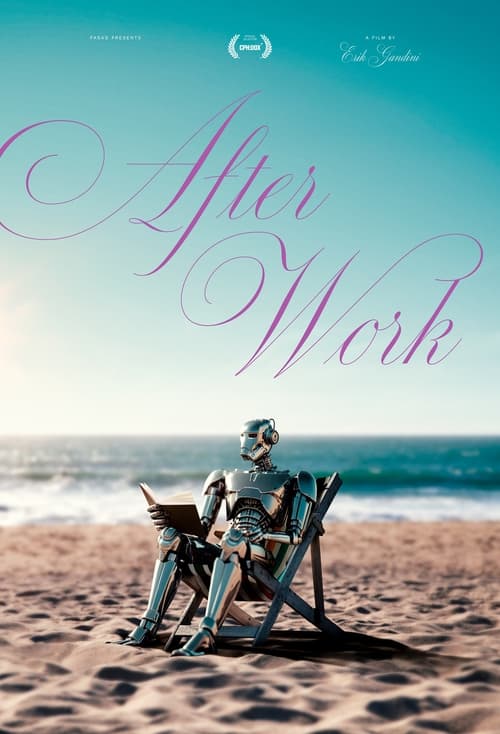
Kuwait’s constitution says that every person has the right to a job, so in some places 20 people are employed for one person’s job. In South Korea, they work so much that a policy has been introduced to turn off computers at the end of the day so that employees can’t work any more. In the US, they give up over 500 million holiday hours each year, while Amazon’s drivers are trying to form a union. Meanwhile, robots are poised to take over most jobs and put the rest of us out of work. Work is so crucial to our identity and what we spend our waking hours on that it is barely noticed anymore. A lot has happened since a group of Puritan priests invented the concept of work ethic in the 1600s, and in the 21st century the very concept of work is in many ways disintegrating. A perfect situation for a filmmaker like Swedish mastermind Erik Gandini, who travels the world to explore what the concept of work means today – if it means anything at all.
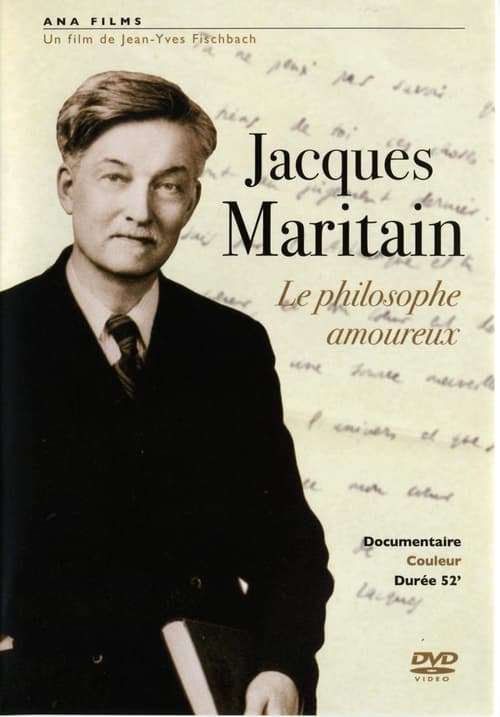
This documentary retraces the life of Jacques Maritain (1882 - 1973), French Christian philosopher. In evoking his life, it paints a portrait of the 20th century: the scientism of the Sorbonne, the rise of Nazism, the Resistance, Free France, Christian Democracy in South America, but also art, freedom, peace and love for the human person. Jacques Maritain, in the torments of the 20th century, of it's murderous madness and it's hope for peace, holds a secret: his ineffable and faithful love for his wife Raïssa, the inspiration for his political commitments and his philosophical thought.
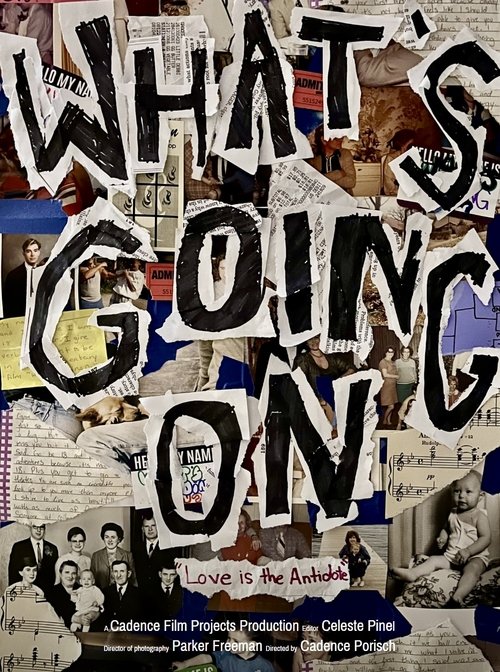
The audience is taken through a range of years through archival footage exploring the ups and downs of our lives and the thing that connects us all, love. Seven interview subjects: a philosophy professor, a film professor, a humanities professor, a retired lawyer turned archivist, a volunteer, a dance student, and a fashion student, explore their backgrounds with religion, their current personal philosophies, whether or not they believe we have a purpose, or if the things we do have any meaning at all. Eventually everything wraps back around to love.