


Jeanne Balibar
Nastassya Filippovna
Nastassia Philippovna finds herself juggling the affections of four men over the course of a single evening. One is her benefactor, the bourgeois Totsky. Another is the opportunistic Ganya, whom Totsky has promised 75,000 rubles if he will marry Nastassia. Rogozhin offers…
Nastassya Filippovna
Prince Myshkin

Darya Alexeyevna
Totsky

General Epanchin
Ferdyshchenko

Ganya
Rogozhin
Ptitsyn




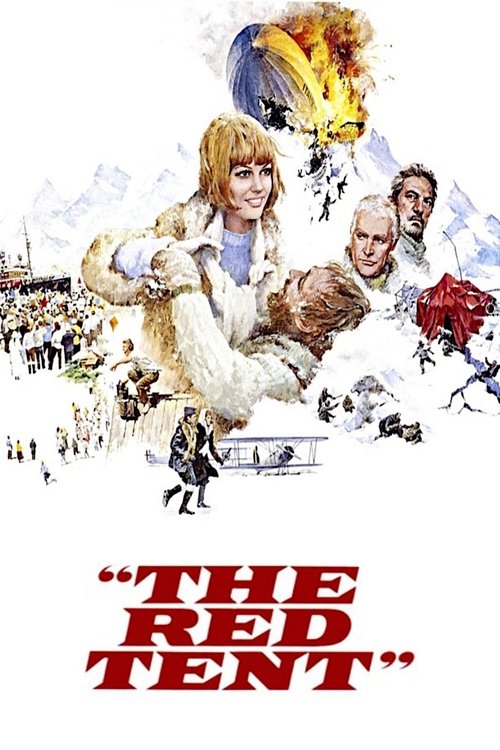

The CIA hears of a KGB scheme to assassinate the Soviet General Secretary and enlists Stoner, an agent retired for 10 years, to go to Russia to investigate. He verifies the plot, but then has trouble leaving the country. In the meantime, the U.S. policy makers struggle over whether or not to inform the Soviets of the plot. Stoner's problems are complicated by the renewal of an affair with Anna, a Russian, as he tries to convince her to defect.

After the Cold War, a breakaway Russian republic with nuclear warheads becomes a possible worldwide threat. U.S. submarine Capt. Frank Ramsey signs on a relatively green but highly recommended Lt. Cmdr. Ron Hunter to the USS Alabama, which may be the only ship able to stop a possible Armageddon. When Ramsey insists that the Alabama must act aggressively, Hunter, fearing they will start rather than stop a disaster, leads a potential mutiny to stop him.


A story of adoption told without glamour and hypocrisy that usually accompanies this topic.Anna is a top model, who was adopted by a French couple as a child. She returns to her hometown with a charity mission from France.A story of an orphan turned princess becomes a legend in her native provincial town. Anna gets treated like royal person and everyone expects miracles from herAnna is confused and cannot understand what all these people want from her. She is used to a calm and logical western lifestyle. Her home is France, in Russia she is a guest. Horrified, she watches her photographer boyfriend Michelle, admire incomprehensible Russian mentality

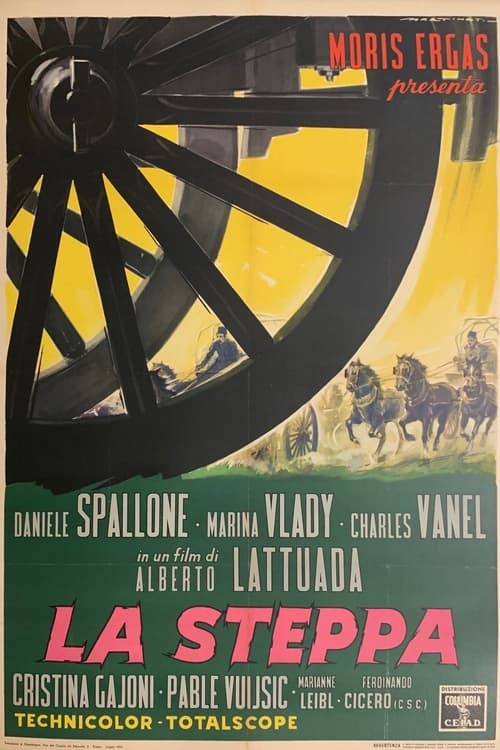
Based on a Anton Chekhov short story, this slight tale has some good moments as the drama of a young boy's journey unfolds. The lad comes from peasant stock, and one day his family decides it would be best for him to go live with his uncle in the city. The only problem is that the city is all the way across the Russian steppes, and at this time in history, that arduous journey could only be undertaken by horse and carriage. Reminiscent of the American pioneer wagon trains heading West, the tale lacks any attacks from hostile forces but is filled with charming vignettes. In one part of the journey, the boy comes across some fishermen along a river, harpooning their catch for the day. In another segment, he is entertained when some folk dancers do a lively show. But in general, it is too long and unmomentous a journey to hold attention well for nearly two hours.
Lebedev
Medical student

Keller