

Angelin Preljocaj
Cast
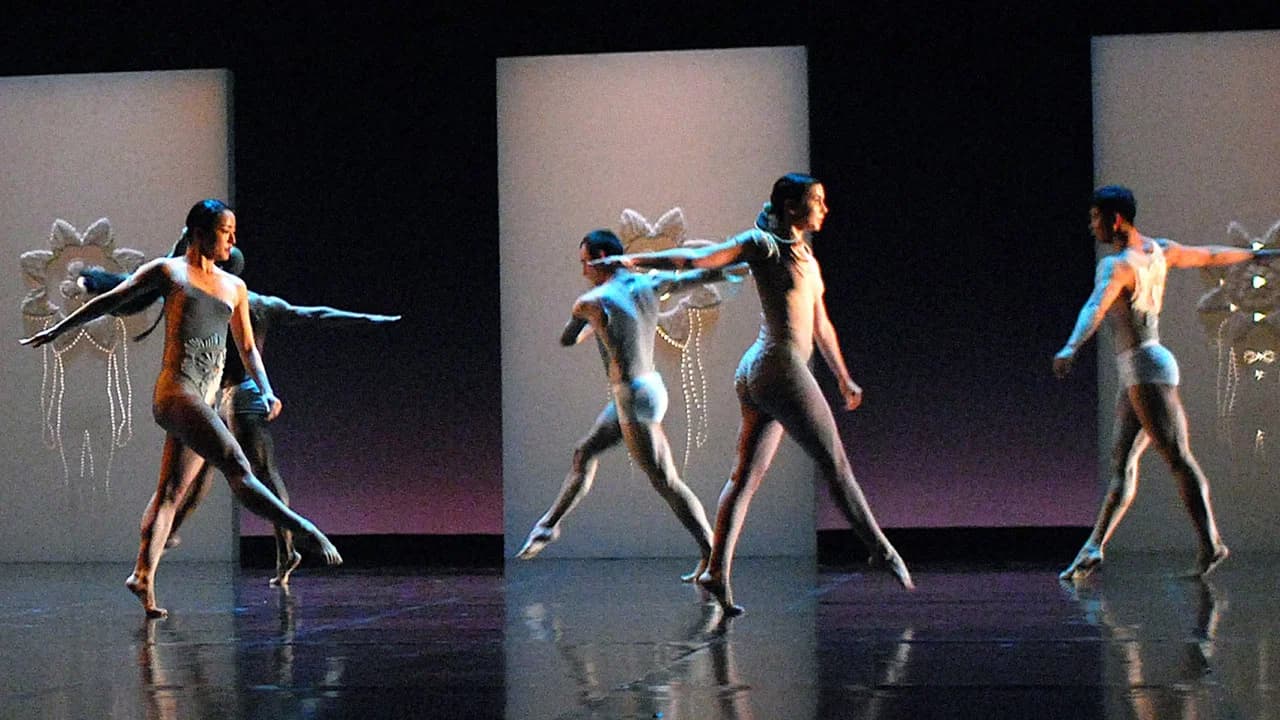
Olivier Assayas’ Eldorado is a riveting documentary chronicling the efforts of Ballet Preljocaj to choreograph an otherworldly icon of 21st century music: Karlheinz Stockhausen’s ethereal Sonntags-Abschied.
Cast
Cast

Inada plays Betty Yoshida, a singer and dancer from America who arrives in Japan to go on tour, only to be swindled by scheming managers. Penniless and cast to the streets, Betty is taken in by Oki (Nakagawa), a talented tap dancer who introduces her to a group of struggling musicians living and working together.
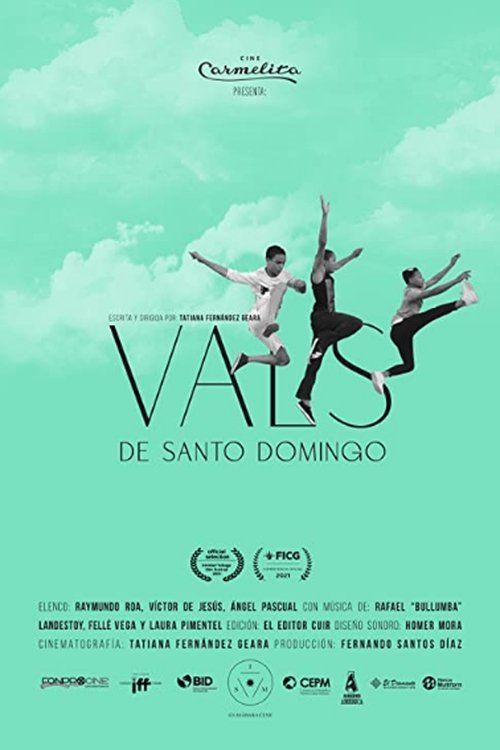
Three teen ballet students — Raymundo, Angel and Victor — are the only boys in a class of twenty. In a country where dance is mostly considered an activity for women, they are determined to follow their dreams and challenge traditional gender roles. Like a waltz, music played in triple time, the three boys move through Santo Domingo while confronting, yet sometimes abiding by, the Dominican machismo culture.
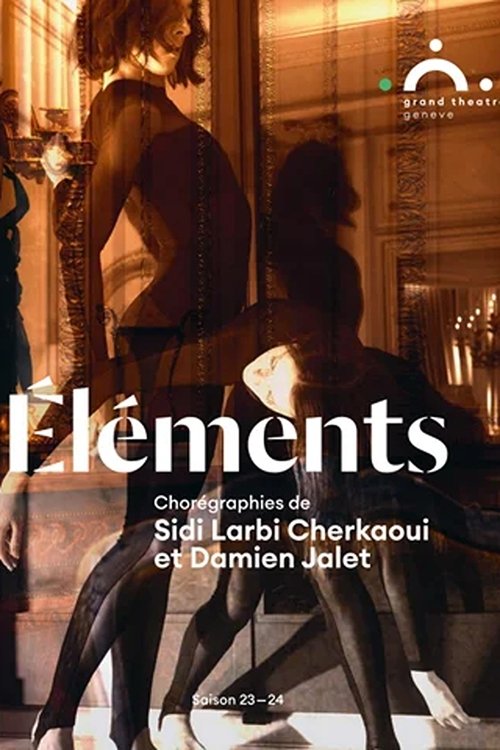
Noetic, Faun and Boléro: Three elements, three visions, three journeys through dance. Choreographer Sidi Larbi Cherkaoui's show offers a profound reflection on our intimate connection with the world around us. From putting mathematics in movement to Ravel's Boléro as a dance of death, Cherkaoui transcends the boundaries of the stage to offer us a unique philosophical perception of the world.
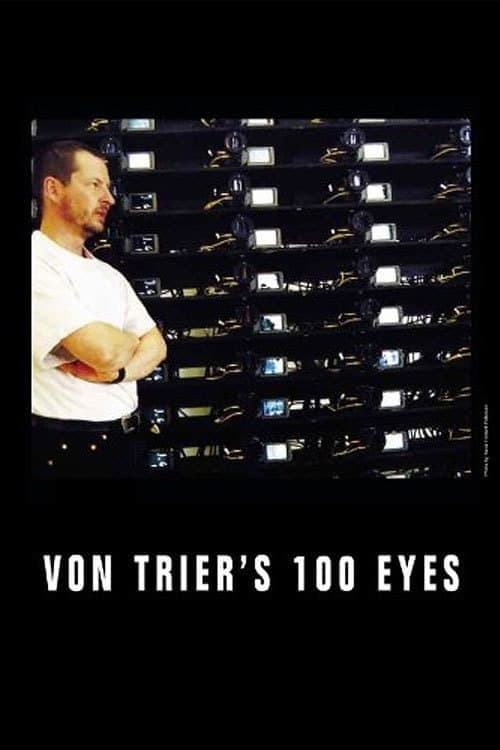
Although at first sight this might look like a simple ‘making of DANCER IN THE DARK’, the later developments in the film reveal the whole drama of Lars von Trier’s inner life during the shooting process. All his doubts and insecurities in collaborating with the crew and actors - especially actresses - are exposed. The biggest drama started when Björk walked off the set. Nobody knew whether she would be back or not. Admitting that he feels threatened by women, who can ‘make him feel embarrassed’, the director gives this documentary the nature of a personal diary. When he discusses the importance, purpose and beauty of the use of a hundred cameras in a certain sequence or the meaning of the Dogma 95 rules, the audience is witnessing the process of the artist’s search. Is the pain that the director went through during the shooting really visible in the final result, as Lars von Trier claims in this film? (from: http://www.idfa.nl/)
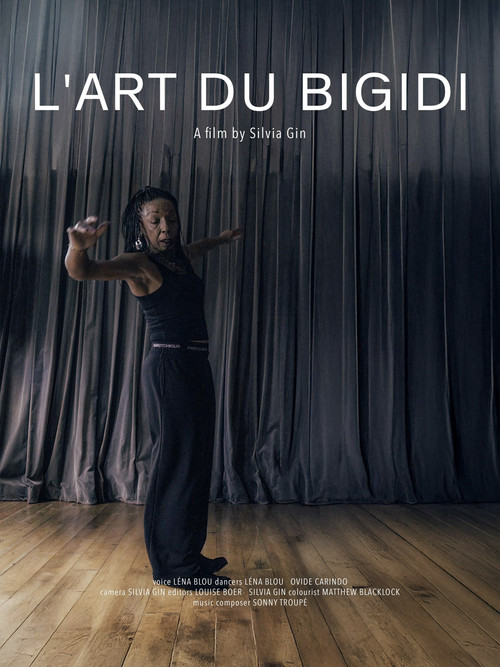
L’Art du Bigidi is a short documentary exploring the world of Gwoka — a Guadeloupean tradition of dance, music, and resistance, rooted in the island’s colonial history and natural upheavals. At the heart of the film is dancer Lena Blou’s philosophy of the bigidi, a Creole term evoking unstable balance; the precarious state of slipping without falling. It’s a way of moving in a place where the ground literally and figuratively shifts - a metaphor for life in Guadeloupe, shaped by slavery, colonisation, earthquakes, tornadoes, and droughts. Two dancers - Lena Blou and Ovide Carindo - embody this principle. Their bodies tremble, almost fall, then recover, improvising in response to the surroundings. Sonny Troupé, a contemporary Gwoka musician, composes to their movements, echoing the traditional drum-dancer dialogue in which the dancer dictates the musical score. Together they weave the mesmerising vision of a radical philosophy from a land that knows how to dance with uncertainty.
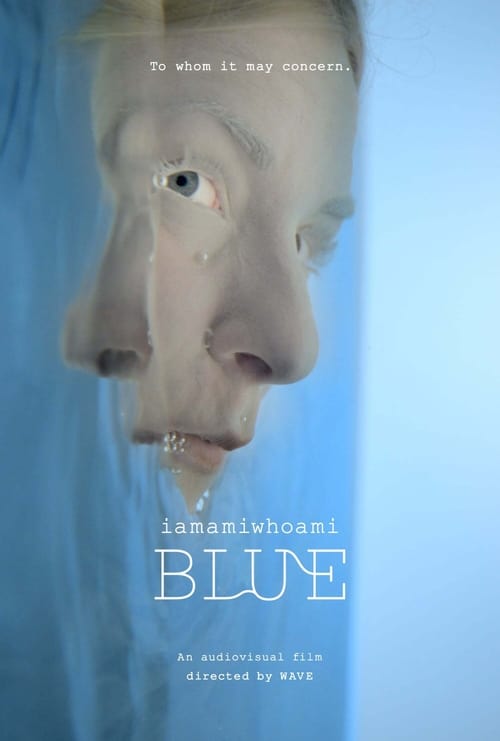
BLUE is an audiovisual series by Swedish audiovisual project iamamiwhoami aka artist Jonna Lee, music producer Claes Björklund and directors collective WAVE. It consists of 11 connected audiovisual chapters connected by its' narrative. It describes the project's own evolution seen from the eyes of the artist Jonna Lee in relation to their followers.

For 23 straight Saturday nights of 1982, The Chicago Party dance show assaulted Chicagoland UHF eyeballs with Spandex, Southside fly guys, tender tenderonies, magicians, contortionists, prismatic video gimmickry, and lip-synched singles by a rising regime of local post-disco casualties. Unfettered nightlife and outlandish humor poured out of oddball outpost The CopHerBox II and onto TV screens. Pooling business acumen with music scene prominence, James Christopher and Willie Woods opened the CopHerBox II in 1979 at 117th and Halsted on Chicago’s Southside. To promote their venture, they purchased airtime on Chicago’s WCIU-TV Channel 26 for weekly installments of The Chicago Party. Each Saturday, the club’s adult clientele filled the illuminated dance floor, providing vibrant B-roll between tapings of breakdancing magicians and Jheri curled ventriloquists, giving an audience to a rising regime of Chicago Soul heavyweights.

Dyke Hard is a failed rock group travelling to a battle of the bands competition in the big city. The journey is further filled with bizarre, fierce and passionate encounters with cyborgs, ghosts, a thai boxer, roller derby gals, ninjas, motorcycle gangs and a mysterious billionaire all of whom will do everything to stop the band from making it in time to the battle.
