
Loading titles…
Documentary
One teacher and a handful of students, who are pariahs in more traditional schools because of the sexual preferences, struggle with all of the angst and troubles of high school kids in additions to the problems novel to their situation.
No cast information available.
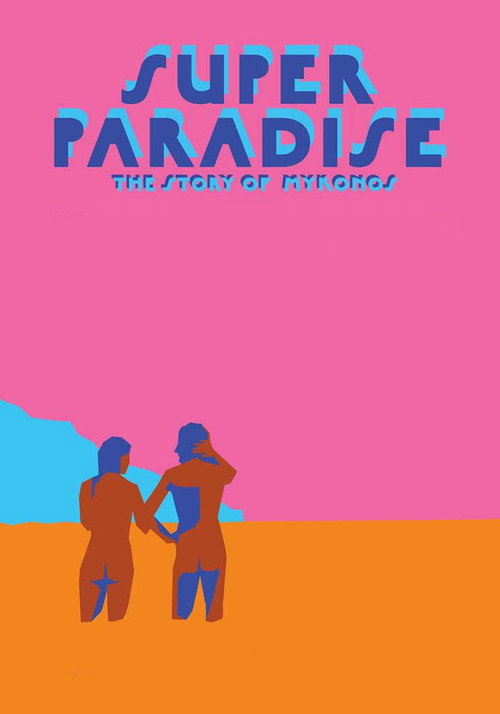
In the 1970s, a small Greek island emerges as a symbol of hope, freedom, and self-expression. Mykonos was "paradise on earth," and for some, it still is. The island was a haven for extramarital and queer love during the dictatorship of the military junta that ruled Greece between 1964 and 1974 following a coup d’état, a regime of dominant patriarchy when even pronouncing the word «gay» on the streets of Athens could be considered a criminal act. In an overall conservative Greece, the Italian entrepreneur Pierro Aversa, a mythical figure of the European queer highlife, opened a gay bar where atmosphere and partying took precedence over profit. A free-spirited, encapsulated environment where forbidden desires could be manifested was cultivated; however, its image is not only reflected through idealistic lenses in the film – many people died in the drug-fuelled madness, and many kids were lost as well, as the locals admit.
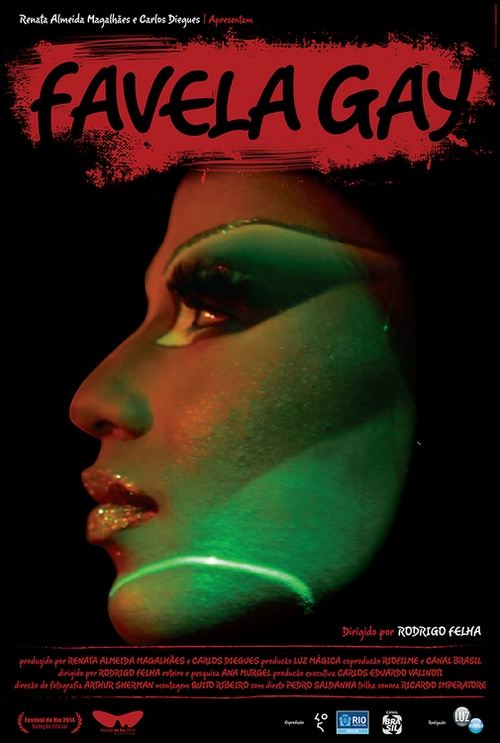
Favela Gay tells the story of eleven individuals in their own words. Living in eight slums (favelas) in Rio de Janeiro, these members of the LGBTQ community – two transgender women, a crossdressing man, a travesti prostitute, a famous carnival dancer, two community activists, and even a young man who used to be transgender, but transitioned back – have fought prejudice and seen some of the most unsavoury sides of the city.
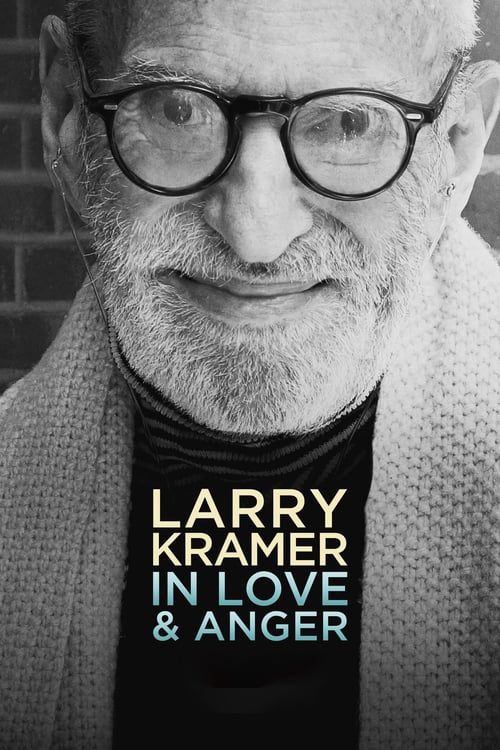
From the onset of the AIDS epidemic, author Larry Kramer emerged as a fiery activist, an Old Testament-style prophet full of righteous fury who denounced both the willful inaction of the government and the refusal of the gay community to curb potentially risky behaviors. Co-founder of both organization Gay Men's Health Crisis and the direct action protest group ACT UP, Kramer was vilified by some who saw his criticism to be an expression of self-hatred, while lionized by others who credit him with waking up the gay community — and, eventually, the government and medical establishment — to the devastation of the disease.
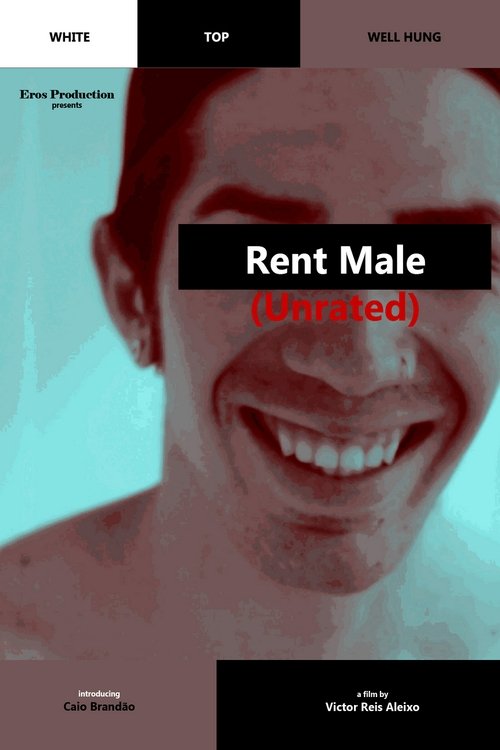
Kaio Brandon is a male prostitute trying to find himself in the big city. He has been selling his body for money since he was 14, unaware that many others like him are part of a worldwide sex industry and human trafficking that corrupts children forever. Kaio wants to change his life and become a nurse, but will h be able to overcome the labels?
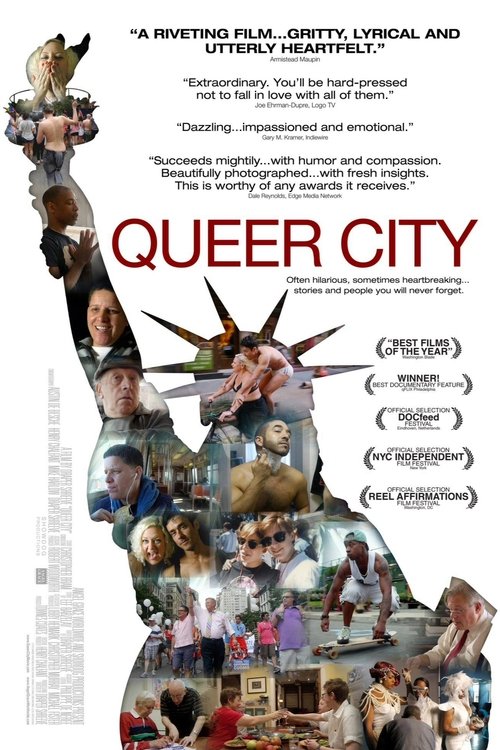
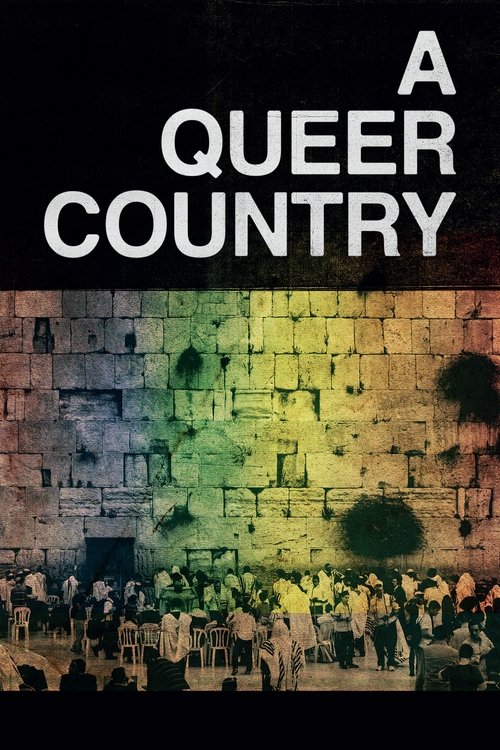
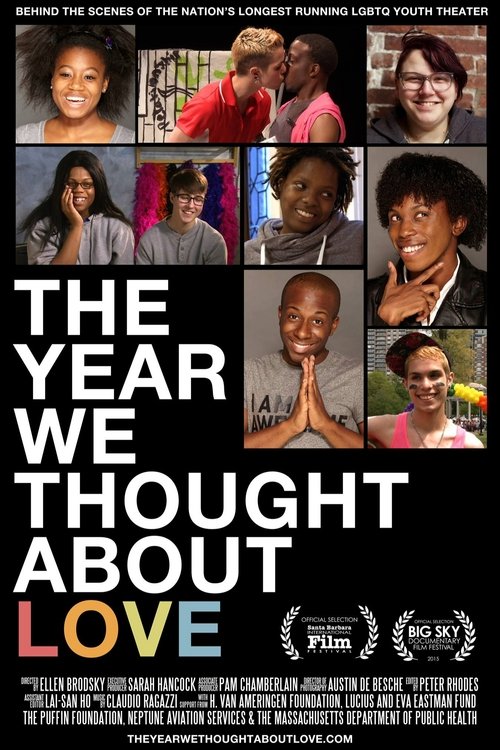
With passion, wit, intelligence and attitude, an LGBTQ youth theater group creates a play about love in all its forms, while bonding together to make change in their own lives. With candor, they tell their stories through intimate interviews, entertaining and powerful clips of their self-written plays, and glimpse into their everyday lives. Members range from a transgender woman being kicked out of her home, to a runway model who likes men’s clothing, to an out gay man accepted unconditionally by his mother. The plays they write and perform are close to their experiences and not only provide catharsis but insight into what it means to be gay, lesbian, transgender, or just queer. It’s an inspirational work of art about the hardships one faces in realizing that they are different and the courage it takes to find the pride within that.
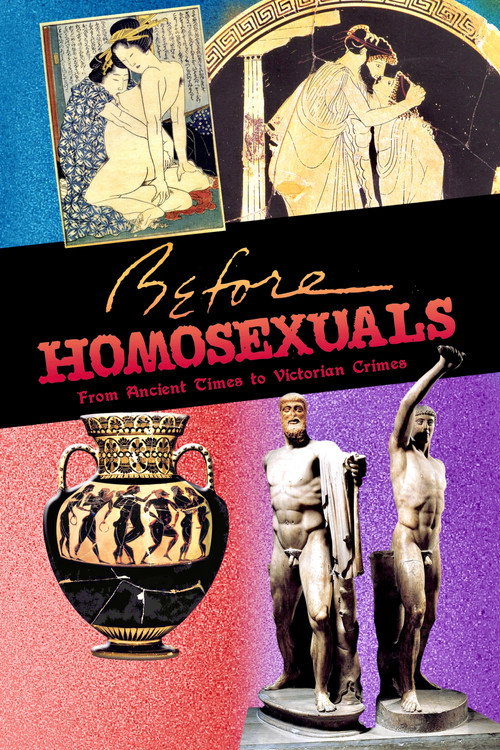
"Before Homosexuals" is a prelude to the award-winning films, "Before Stonewall" and "After Stonewall", and together will form a trilogy. This trilogy will improve understanding and respect, while decreasing intolerance, discrimination, and violence towards gays and lesbians worldwide through proving the hypothesis that gays and lesbians have always existed in every culture throughout history and have made some of the most beautiful and powerful contributions to human history and art.