Loading titles…
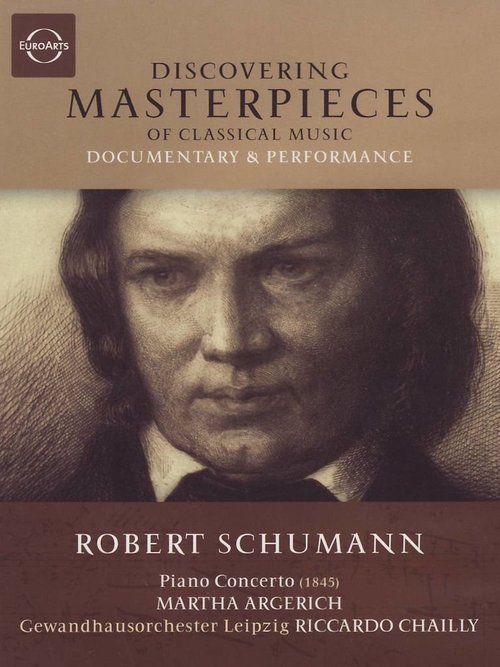
Music historian Wulf Konold reveals the story behind Robert Schumann's Piano Concerto in A minor, op. 54, in this program, which also features a performance of the piece by pianist Martha Argerich and the Gewandhausorchester Leipzig. This classical music guide explains the…
No cast information available.
Pierre Boulez conducts the BBC Symphony Orchestra and Chorus in a special concert from the Barbican, as part of the composer's 80th birthday celebrations. The programme contains two compositions by Debussy; Jeux and Trois ballades de Villon, as well as Daphnis et Chloé by Ravel, featuring soprano Elizabeth Atherton as soloist.Presenter Charles Hazlewood interviews Boulez and discusses the concert with guest Sir Peter Maxwell Davies.
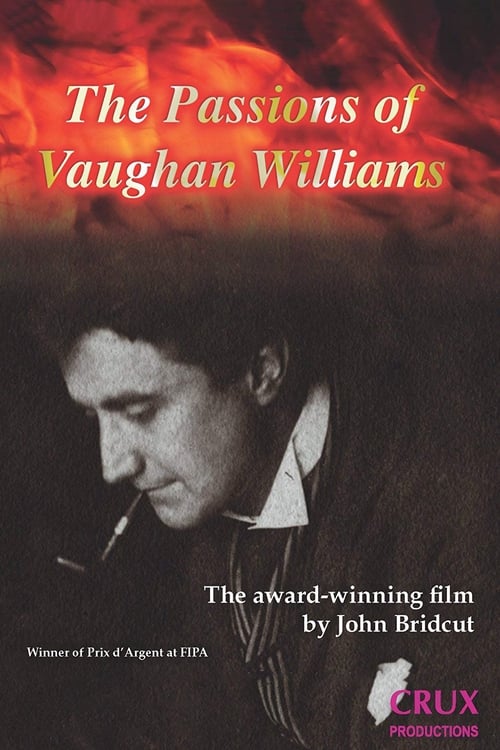
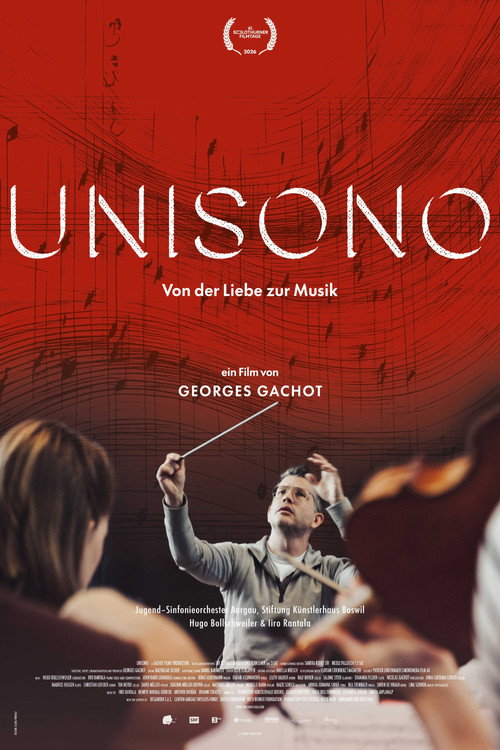
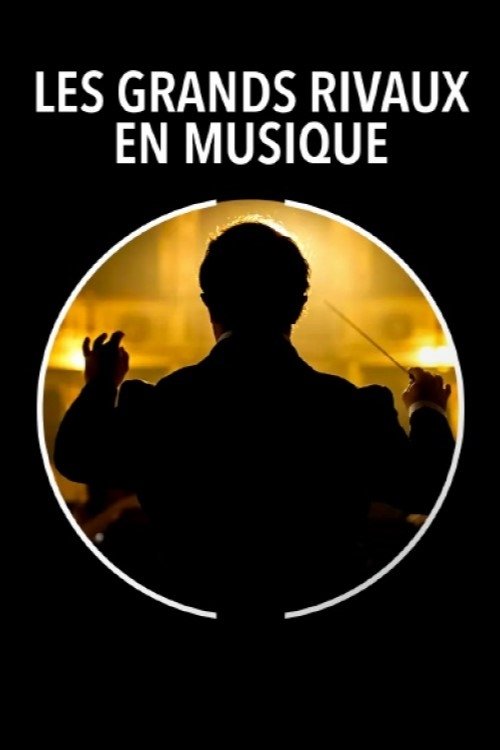
A look back at the violent conflict between the two leading figures of musical modernity, Arnold Schönberg and Igor Stravinsky, in the first decades of the 20th century. Although Arnold Schönberg and Igor Stravinsky both had a decisive influence on the fourth art, their creations remained diametrically opposed. While the Austrian developed the dodecaphonic method, placing the twelve notes of the chromatic scale at the heart of the composition technique to the detriment of tonality, his Russian rival based his practice on stylistic eclecticism. Their supporters formed two opposing camps, and the two composers - one the father of the Second Viennese School, the other of Neoclassicism - became, in the wake of their successes, the figureheads of a conflict that marked the history of music by its duration and intensity.
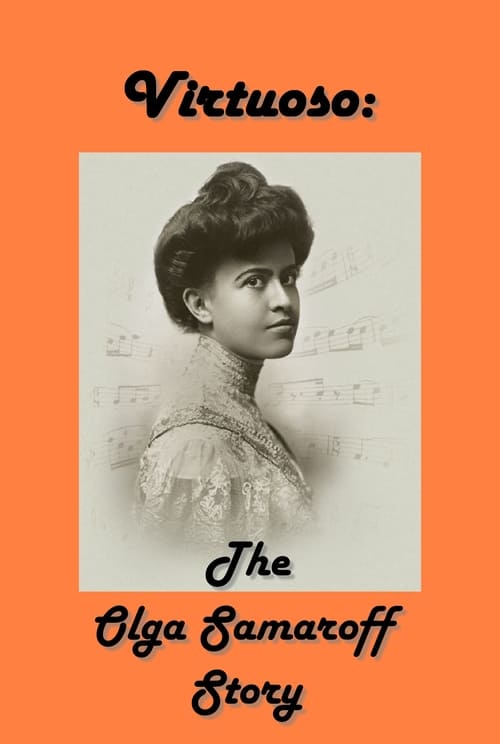
As America's first international woman concert pianist, renowned lecturer, author, music critic, famous conductor's wife and champion for equal rights for women in music, Olga Samaroff was at the center of a musical life that to this day embodies the imprint of her artistry and achievements. Her life story also portrays an era in our American cultural heritage that has largely been underserved in the documentary film genre. Texas-born Olga Samaroff a.k.a. Lucy Hickenlooper lived at a time when music was dominated by men and Old World prejudices----and she emerged as a leader among many. Against tremendous odds she rose from complete obscurity to be the most successful American woman concert pianist of the early 20th Century.
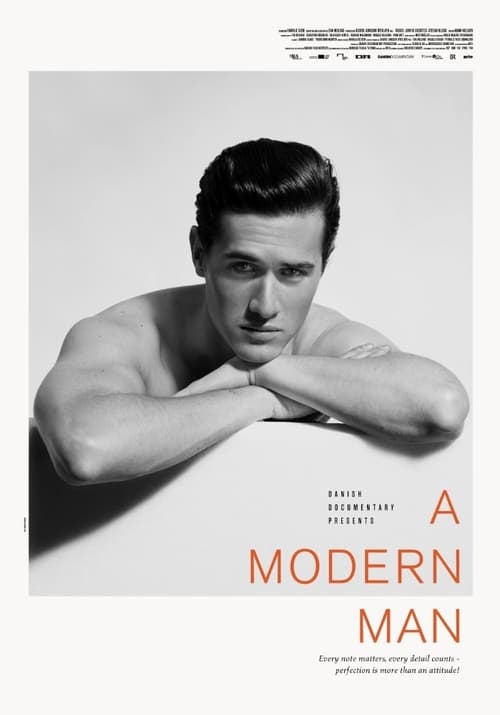
You could be forgiven for mistaking Charlie Siem for James Bond. Whether he's driving an orange Porsche to his cliff-top Monaco mansion, ordering martinis or looking suave in a designer suit, he is a man on a mission. It isn't to hunt down SPECTRE, but to find perfection in everything he does. Whether it's performing on stage, recording albums, or selecting a suit, Charlie demands the best, of himself and others. Despite an entourage dubbed ‘Charlie's Angels', he's lonesome, and complains that people can't relate to him. Danish filmmaker Eva Mulvad, with patience and panache, delves into this life of privilege to find commonalities of ambition and desire.
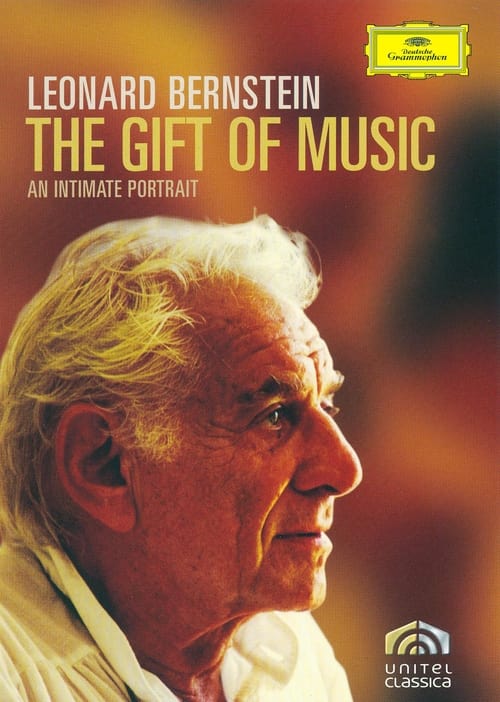
Leonard Bernstein narrated by legendary screen star Lauren Bacall. The movie also relies extensively on Bernstein's own words to provide the counterpoint to the abundant visual material. Highlights include excerpts of Bernstein conducting masterworks by Beethoven and Mahler, as well as of the maestro with the New York Philharmonic in Moscow in 1959 before an audience which included composer Dmitri Shostakovich and the dissident poet Boris Pasternak. It also contains never-before-seen footage, such as outtakes from televised concerts and interviews. Among these special treats: the dashing 28-year-old maestro representing the U.S. at the 1947 Prague Spring Festival – possibly the earliest extant film of Leonard Bernstein.