
Neve Campbell
Narrator
The plight of small-scale farmers in Africa and Asia forced off their land by an unprecedented corporate land grab. If they refuse they are subject to horrific violence, which has led to women miscarrying and deaths. Exploring the personal stories of those affected, this…
Narrator

Cast
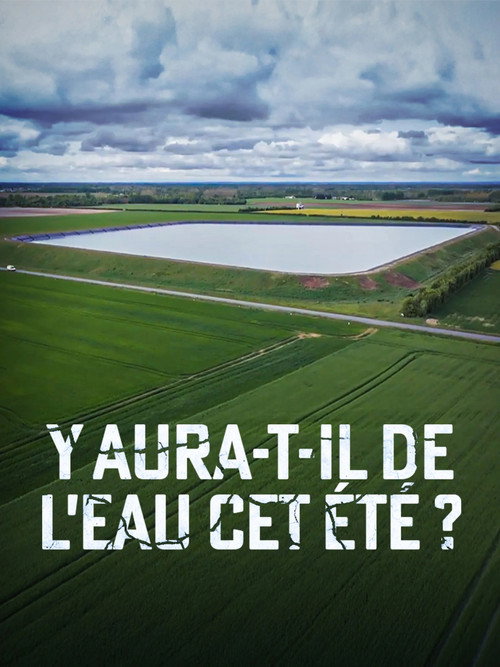
Through encounters with a hydrologist, a farmer, and citizens mobilized around the Marais Poitevin, the director helps us understand the effects—on biodiversity and the state of rivers—of substitution reservoirs, also known as megabassins. For several years, Anne-Morwenn, David, Patrick, Yann, and others have been fighting for fair water sharing and devising ways to convince as many people as possible that it is time to change the agricultural model.

This documentary chronicles agricultural resistance and the fight for food sovereignty in Burkina Faso – a small, landlocked country in West Africa. Showcasing activist farmers, students, artists and leaders in the local Slow Food movement, the film looks at how the Burkinabé people are reclaiming their land and defending their traditions against the encroachment of corporate agribusiness. From women gaining economic independence by selling artisanal “dolo” beer, to youth marching in the streets against companies like Monsanto, to hip-hop musicians setting up their own farms and reviving the revolutionary spirit of Thomas Sankara through their music, Burkinabè Bounty shows the creative tactics people are using to take back control of their food, seeds, and future.
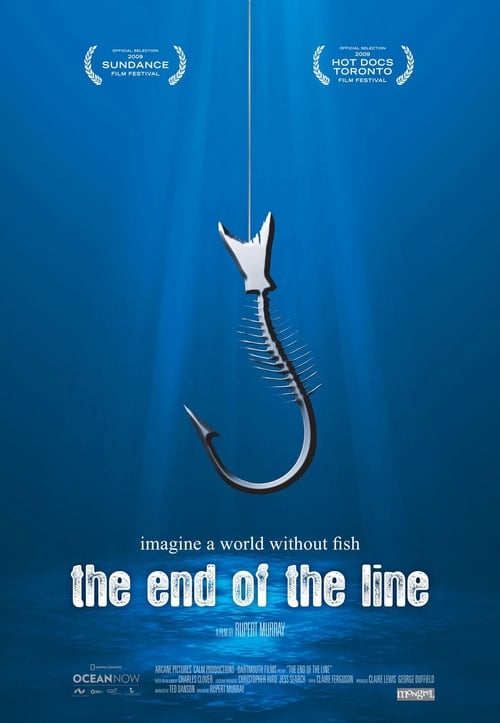
Examines the devastating effect that overfishing has had on the world's fish populations and argues that drastic action must be taken to reverse these trends. Examines the imminent extinction of bluefin tuna, brought on by increasing western demand for sushi; the impact on marine life resulting in huge overpopulation of jellyfish; and the profound implications of a future world with no fish that would bring certain mass starvation.
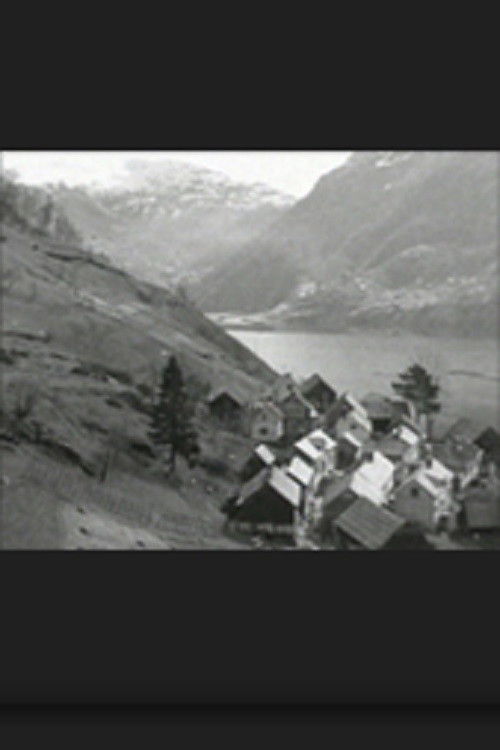
From 1949 to summer the next year, Robert Kloster and Brita Gjerdåker Skre documented the daily working lives of the people on Havråtunet (Havretunet), a cluster farm on Havrå, Osterøy, that remains one of the only cluster farms to survive the 1850 Land Consolidation Act. This is the 130-minute original version of the documentary, distributed on DVDs by Geir Sundal in 2004, with the permission of Norsk Filminstitutt.