


William H. Macy
Self - Narrator (voice)
The chronicle of the mind-blowing journey that was Hollywood during the seventies; the true and gripping story of the last golden age of American cinema, an exalted celebration of creativity and experimentation; but also of sex, drugs and rock 'n' roll: a turbulent and dark tale…
Self - Narrator (voice)
Self
Self
Self

Self
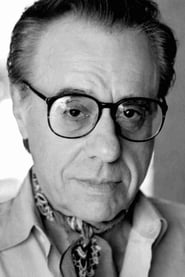
Self

Self
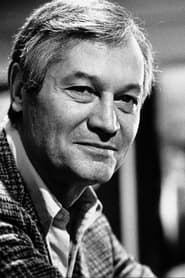
Self

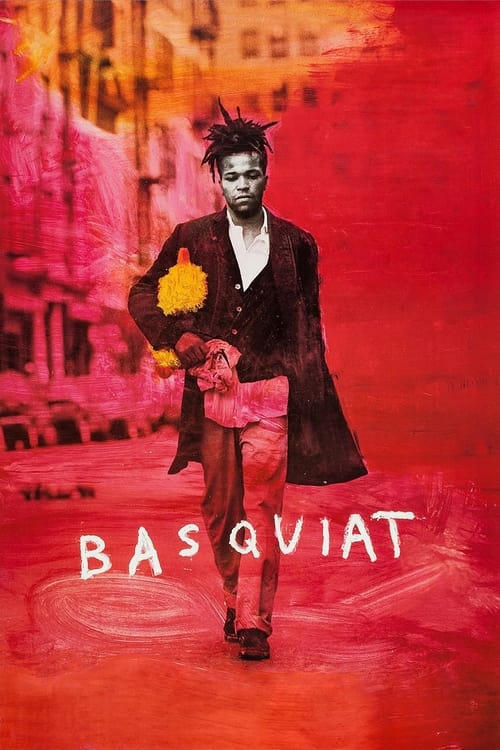
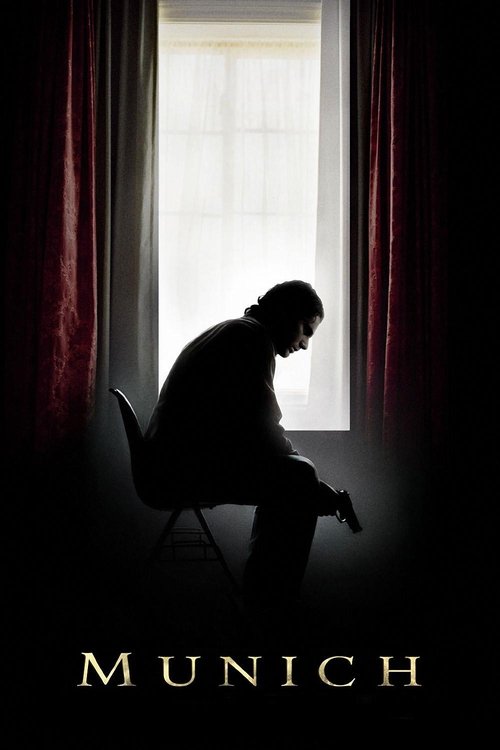

In Spain, on May 11, 1896, at the Price circus, the first moving images ever shown in the country are projected. From that event, the Spanish actor Antonio Resines intends to compile a series of anecdotes to shape the amazing history of Spanish cinema, holding several conversations with prominent figures of the Spanish film industry.
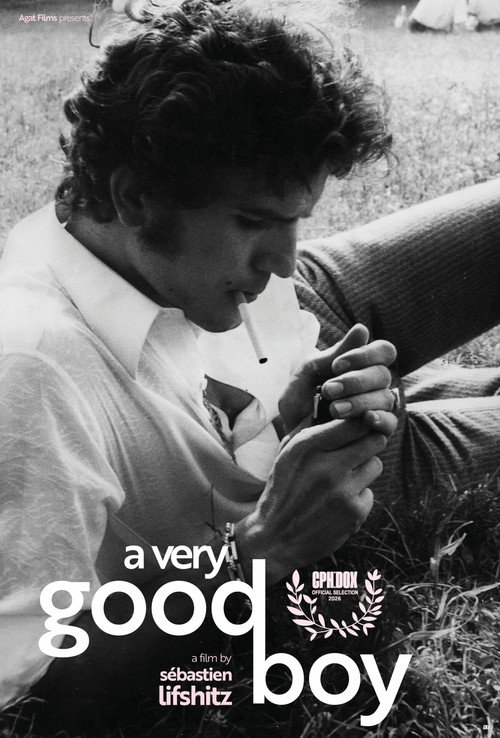
From his childhood in a modest family in the Pyrénées to his unexpected career as a porn actor in the 1970s, the film traces the life of Claude Loir, who set out to fully embrace life. His homosexuality and curiosity guide him through encounters that lead into the shadowy, liberated circles of a pre-AIDS era, caught between conservatism and sexual freedom. Loves and lovers, flamboyance and fragility… the film offers a striking portrait of a fearless, hedonistic man navigating desire, identity, and society’s constraints.
In 1983, author Ta-Nehisi Coates learned that a 14-year-old boy was murdered in his Baltimore middle school. Upon revisiting the case, he uncovers the truth: Three innocent teenagers were wrongfully convicted and spent 36 years in prison — creating a lasting impact on the accused, the witnesses, and their community.

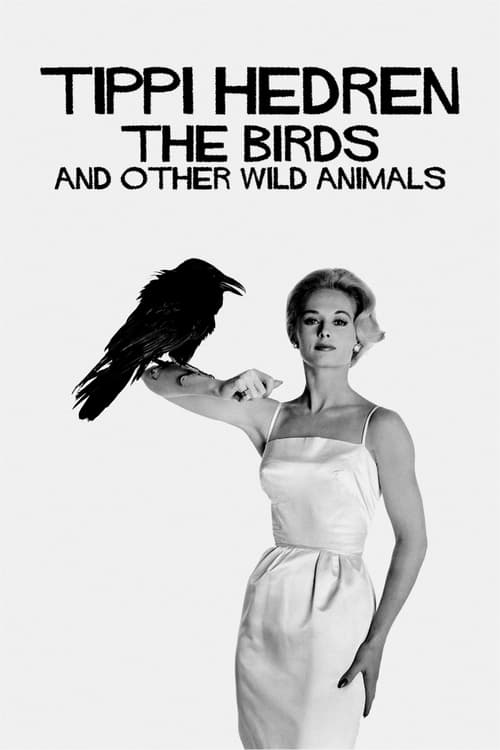
Tippi Hedren, the unforgettable actress who starred in The Birds (1963), made in her memoirs a relentless portrait of its director, the genius British filmmaker Alfred Hitchcock (1899-1980), the same one who, despite his disturbing personality and questionable working methods, made her a Hollywood star. From Minnesota to Hollywood, the true story of a unique performer and a free woman.
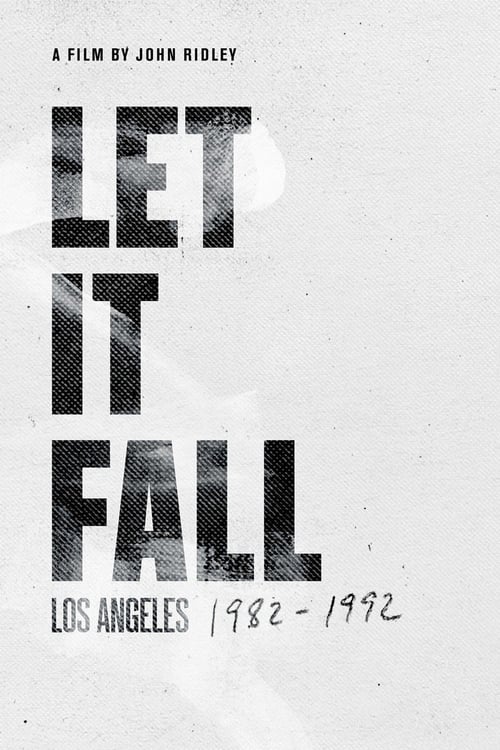
Germán Cipriano Gómez Valdés Castillo, a young radio announcer from Cuidad Juárez, succeeds in drawing attention to the pachuco movement through his character Tin Tan, laying the groundwork for a new form of binational and mass linguistic expression: Spanglish. He soon became a leading figure in theater and film on the American Continent. Singled out by critics as a destroyer of the language, he quickly won the approval of the public. His ability to improvise revolutionized the film industry. His talent as an actor, singer, dancer and comedian contributed to the Golden Age of Mexican Cinema. From El Hijo Desobediente to Capitán Mantarraya, from Cuidad Juárez to Havana, from mambo to rock, the legacy of Tin Tan makes him one of the great icons of Mexico today. This film tells his story as it has never been told before.
Self
Self
Self
Self