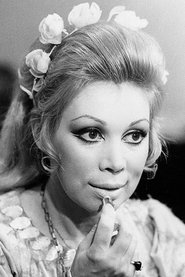
Mirella Freni
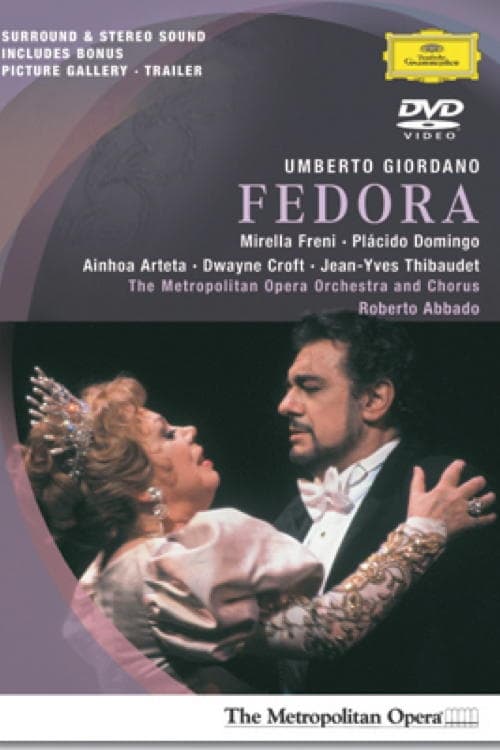
Fedora Romazov
Princess Fedora, who is to marry the Count the following day, arrives and sings of her love for him, unaware that the dissolute Count has betrayed her with another woman. The sound of sleigh-bells is heard, and the Count is brought in mortally wounded. Doctors and a priest are…
Fedora Romazov
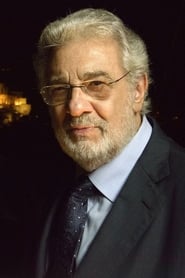
Loris Ipanov
De Siriex

Olga Sukarev

Cirillo
Lorek
Borov
Grech
Desire
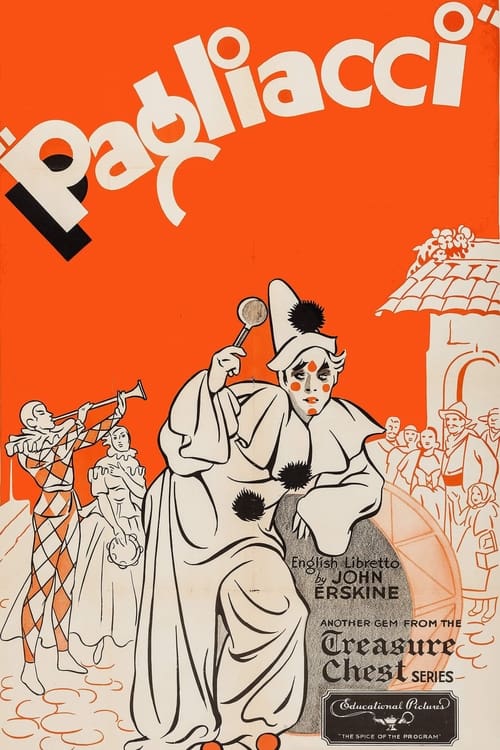
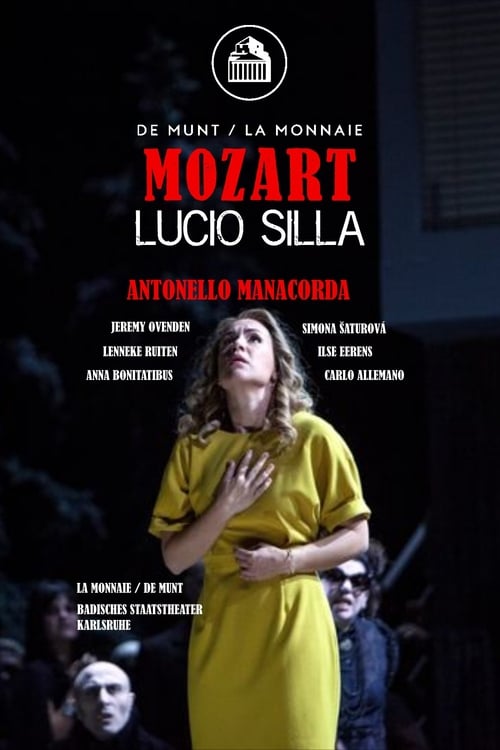
Having disposed of his enemies, Lucio Silla is now all-powerful. He wants to marry Giunia, but underestimates how much she hates him. After all, he has not only had her father murdered, but has also banished her beloved, Cecilio. At first, Giunia is misled into thinking that Cecilio is dead; with the help of Cinna, however, the lovers manage to meet up again. The power of love and Cinna’s machinations finally persuade Silla to relinquish his power.
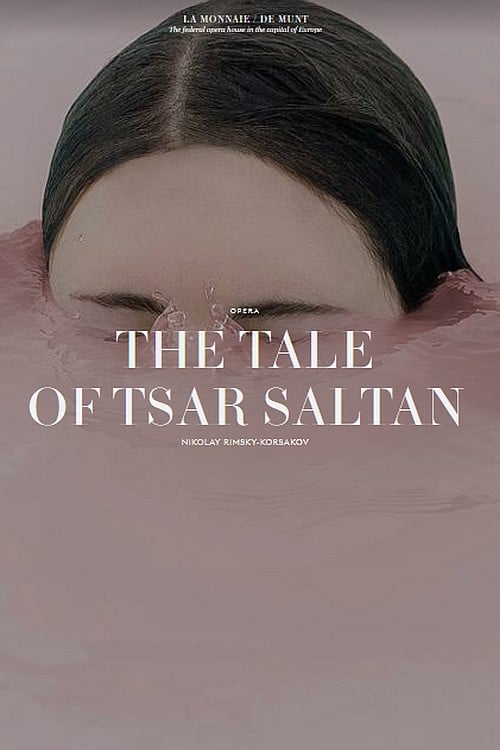
Tsar Saltan marries the youngest of three sisters, having heard that it is her dearest wish to present him with a heroic son and heir. Her jealous sisters and the old Aunt Barbaricha cannot bear this situation to persist and by trickery see to it that the Tsaritsa and her newborn son Gvidon are thrown into the sea. In their barrel they are washed ashore on an enchanted island where the rapidly growing tsar’s son saves a swan from the clutches of a wizard. In gratitude, the swan helps Gvidon to visit his native country once again in the guise of a bumblebee. Three wishes, three miracles and three bee-stings later, father and son are finally able to get to know each other.
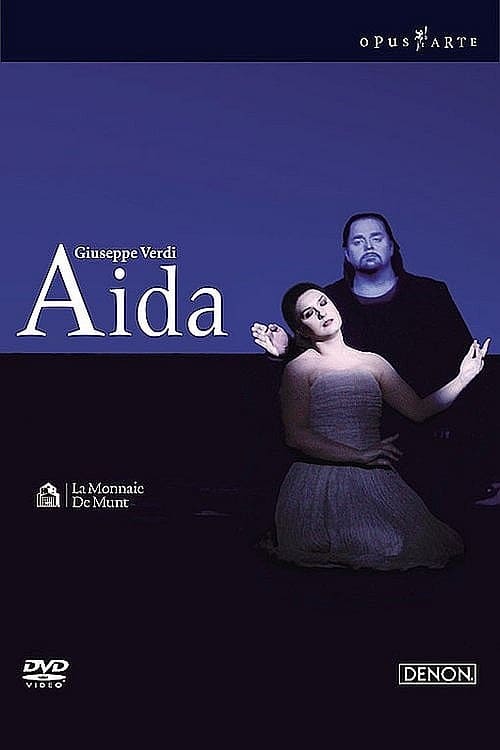
With war and acts of violence in the background, Aida tells the story of a fascinating and tense love triangle between the Egyptian princess, Amneris, Ramades, an officer, and Aida, a Nubian princess, captured and reduced to slavery. The historical scenes and triumphal marches, which have contributed to the popularity of this opera, are followed by intimate but powerful duets and introspective moments of great intensity.
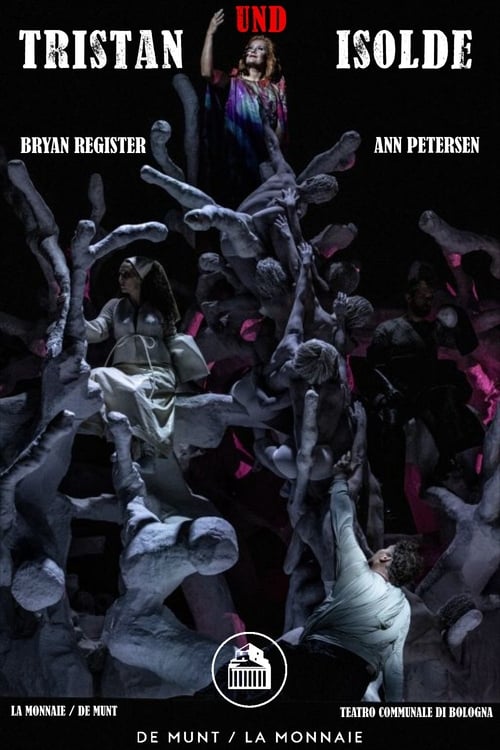
Tristan, King Marke’s most loyal vassal, takes the Irish princess Isolde to Cornwall to be married off to his master. During the journey, Isolde uses a deadly poison in an attempt to extinguish the intense but unspoken love between her and Tristan that had arisen beforehand. Isolde’s confidante Brangäne, however, replaces the poison with a love potion. From that moment, Tristan and Isolde become inseparably linked. Their secret love is soon betrayed to King Marke by the jealous Melot, who also fatally wounds Tristan. He is brought to his island, longing for one final meeting with Isolde before he dies. When she eventually comes, he himself pulls open his wound and collapses in her arms. Isolde follows him, dying in the most sublime ecstasy.
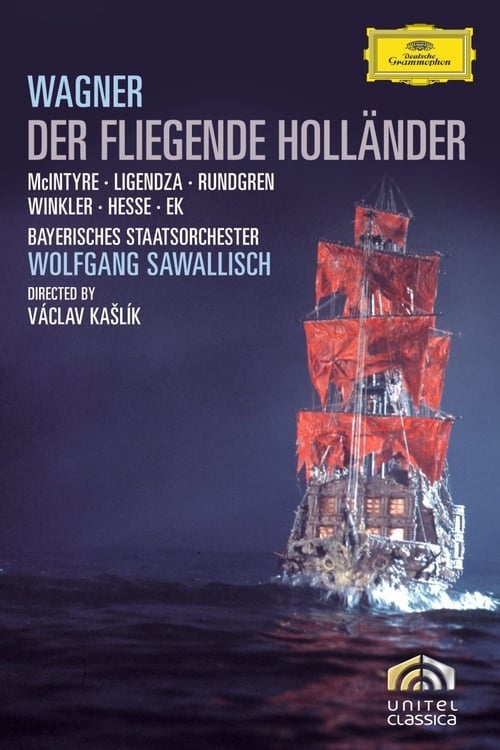
This vivid film of Wagner's romatic opera succeeds in conveying what has famously been called "the wind that blows out at you whenever you open the score", including Daland's boat anchoring against the Sandwike cliffs, the red-sailed phantom ship, and the ghost crew rising from the dead. "Scenes that recall classic horror films... Brilliantly successful" (Nürnberger Nachrichten), "Captures the works' essence" (Süddeutsche Zeitung). With a superb cast; conducted by Wagner authority Wolfgang Sawallisch.
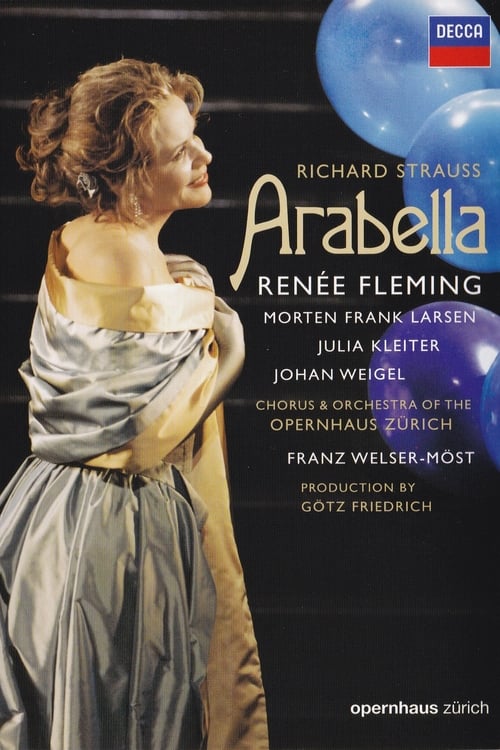
Arabella, Op. 79, is a lyric comedy or opera in three acts by Richard Strauss to a German libretto by Hugo von Hofmannsthal, their sixth and last operatic collaboration. Arabella is determined to marry for love, not wealth - against the wishes of her impoverished aristocratic parents. When she gives her heart to the mysterious Mandryka, a series of misunderstandings puts their love to the test.
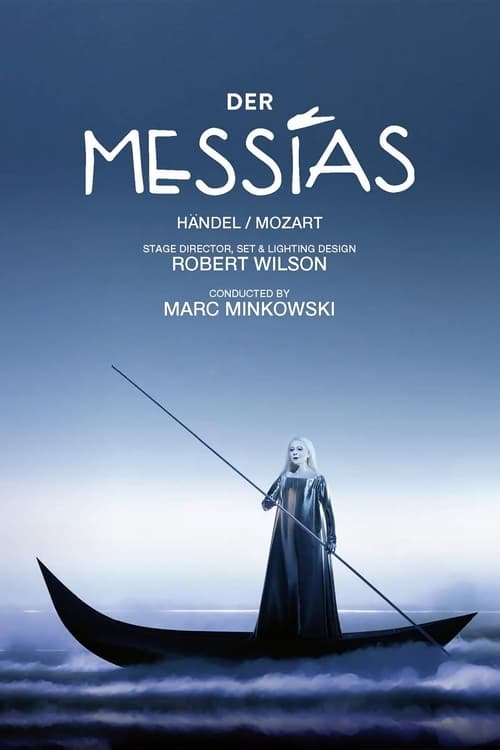
Known as a creator of astonishing images, stage director and visual artist Robert Wilson delivers a magnificent production of Mozart’s adaption of Handel’s Messias. Mozart was commissioned by Gottfried van Swieten to modernise the score fifty years after Handel’s popular composition (1742), mainly by arranging the wind parts and partially re-composing them. With Marc Minkowski a conductor has been engaged who understands perfectly how to combine baroque style with the tonal possibilities of an orchestra of the classical period like the Musiciens du Louvre. The excellent soloist quartet with Elena Tsallagova, Wiebke Lehmkuhl, Richard Croft and José Coca Loza merges perfectly into Wilson’s enormous flood of images.

Boleslao Lazinski, a pianist
Self - Conductor