
Loading titles…
Documentary
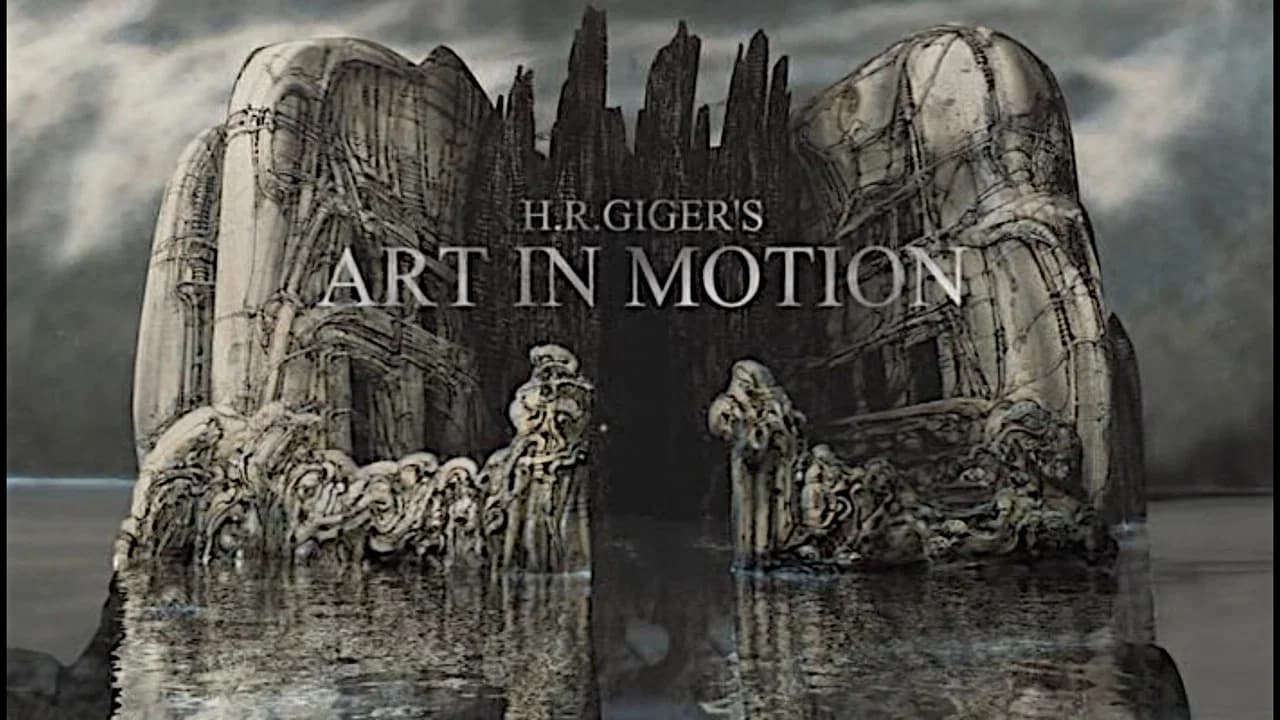
It is the first time you will be able to see Giger‘s paintings processed digitally in high resolution quality, 3D animated and together with original film music and surround sound. Watch ten moving image collages, where we used over 200 diapositives which cover the most…

No cast information available.
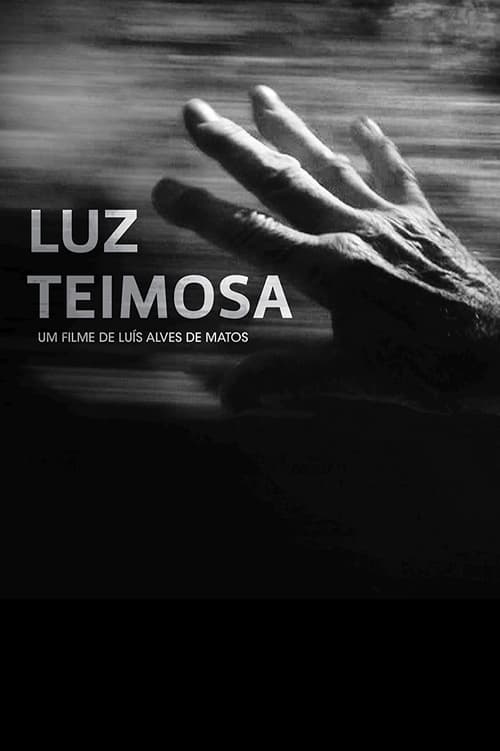
Fernando Lemo's world is fiercely stripped of any external logic, as Jorge de Sena once said. His artistic gesture blends with his own existence, where the poetic principle comes first. And with the light that insists to come through the half-closed door, the fear of life is vanquished in the battle fought with death. Thus, each word is born within another word and each image within another image. Out of how many knives is love made, the poet wonders?
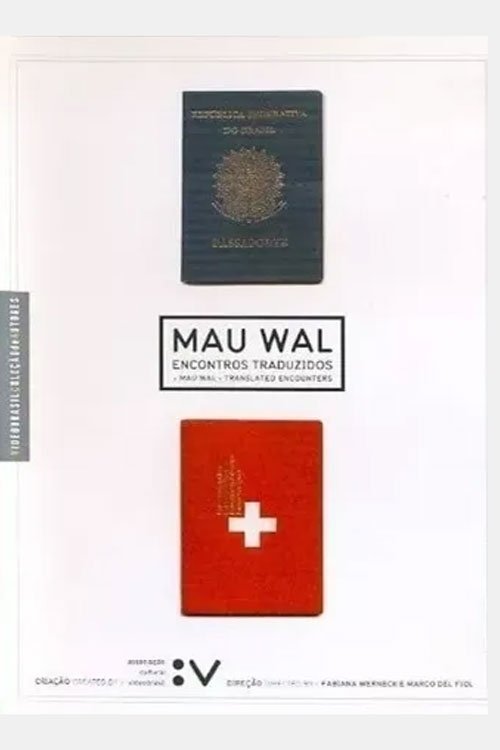
Maurício Dias & Walter Riedweg often say the streets are their studio. From the observation of them and of those who populate them there arise installations about encounters, identity and territoriality. The Brazilian-born Dias met the Swiss Riedweg in 1993. Together they learned that they could boost one another’s ideas. “This marriage became Mau Wal,” says Dias. In this documentary, they present their works and the many characters behind them: people who make day-to-day living in the big cities. Street vendors at a Northeast Brazilian fair in São Paulo, illegal immigrants in their quest for the European dream, street kids and their memories. In stories or in the role it plays, the human element is always a centerpiece to the duo’s work.

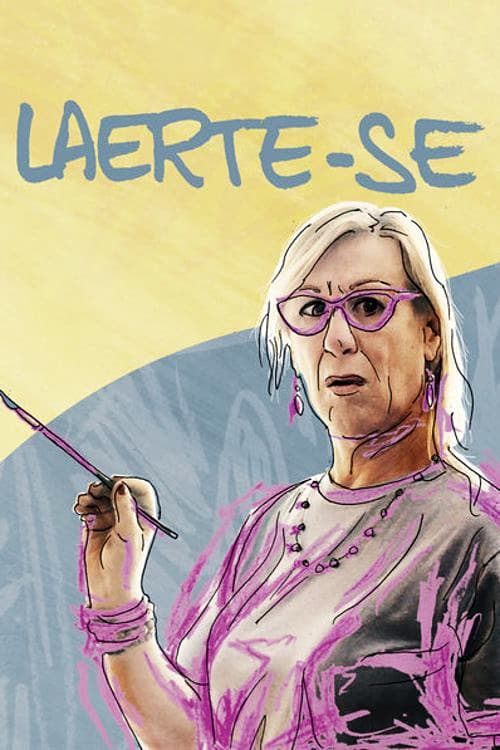
In this film, Laerte conjugates the body in the feminine, and scrutinizes concepts and prejudices. Not in search of an identity, but in search of un-identities. Laerte creates and sends creatures to face reality in the fictional world of comic strips as a vanguard of the self. And, on the streets, the one who becomes the fiction of a real character. Laerte, of all the bodies, and of none, complicates all binaries. In following Laerte, this documentary chooses to clothe the nudity beyond the skin we inhabit.

More than 30 years have now passed since a certain time traveling police box first materialized on our television screens, and the exploits of its various crews have enthralled audiences ever since. Here is the story of Britain's Number 1 Science Fiction programme told in order of the various actors who have played the Doctor.
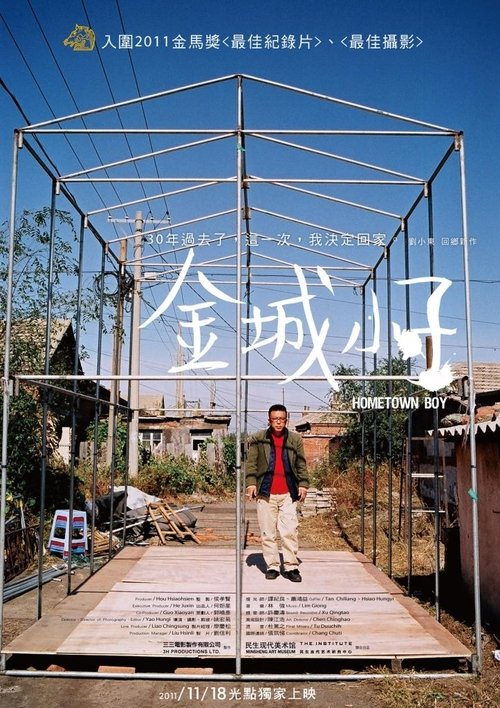
One of the best-known Chinese figurative painters, Liu Xiaodong goes back to his hometown of Jincheng, in the province of Liaoning (North-East China), to re-paint again friends and relatives after several years have gone by. With a soundtrack by famed composer Lim Giong (Millennium Mambo, The Assassin).
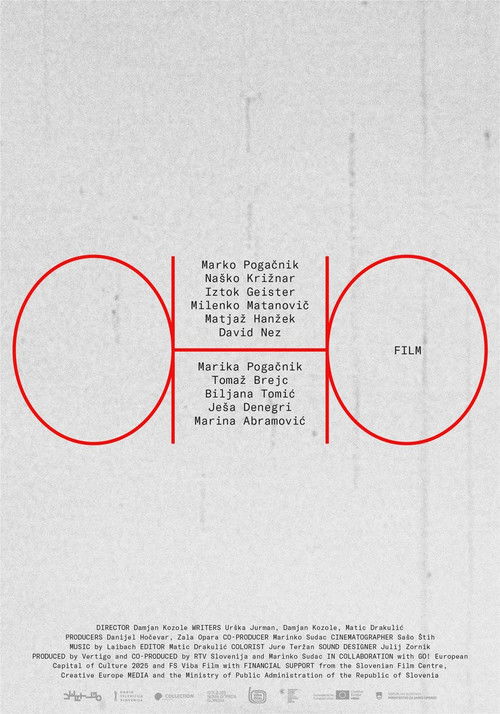
OHO is considered one of the most interesting, complex and important examples of post-war avant-garde art in Central and Eastern Europe. After achieving major success as one of the first from Eastern Europe to exhibit at New York's MoMA, the group disbanded in 1971. OHO was not just an art collective but a unique cultural phenomenon that explored the visible and the immaterial through art, philosophy, sociology, science and coexistence with the earth and nature. Already in the 1960s, the group was raising relevant questions about anthropocentrism, ecology and the economics of the art. This documentary about OHO by Damjan Kozole is rich in never-before-seen archival material and, for the first time, comprehensively presents this inspiring phenomenon of intertwining art and life. - Slovenian Film Database

Born in 1873 in a poor neighbourhood in Naples, Enrico Caruso conquered the world with his singing voice. At the age of 27 he got a contract at the Scala in Milan, and his already considerable popularity skyrocketed thanks to the invention of the gramophone. He sold millions of records, and garnered international acclaim. In 1903 he moved to New York to perform at the prestigious Metropolitan Opera, in the role of Radames. But his riches and fame attracted the attention of the Mafia, who started blackmailing him. He felt trapped by his fame and died at just 48 years old. Biographer Francesco Canessa, the music critic Jürgen Kesting and the composer Micha Hamel explain the ups and downs of the man behind the timeless Italian voice.