Loading titles…
Documentary
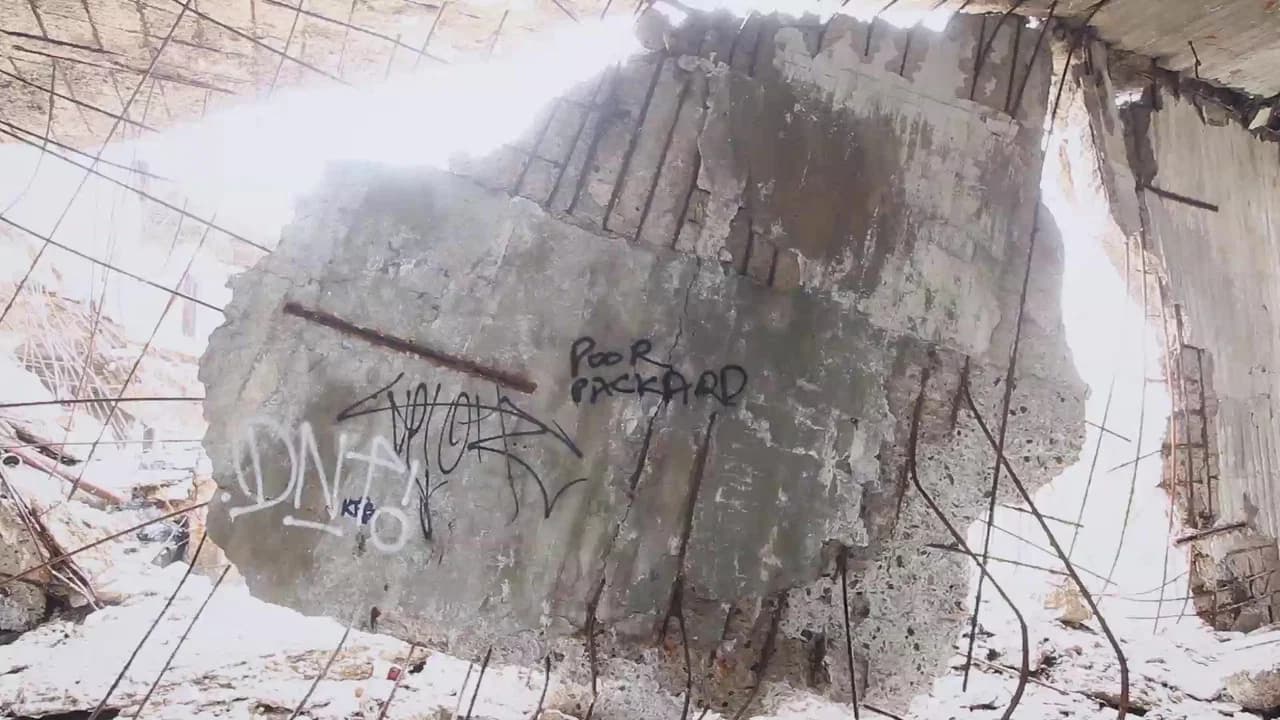
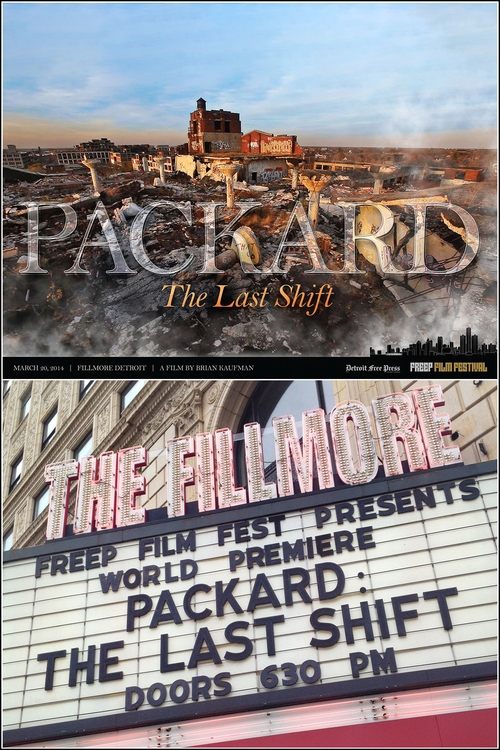
The Packard Motor Car Company and its 5-million square foot plant became a symbol of the American Dream in the heart of the Motor City. Packard left town in 1954, but the plant still stands as a symbol of decay. The half-mile stretch of rubble and ruin tells a story of failed…

Self - Narrator (voice)
Self
Self

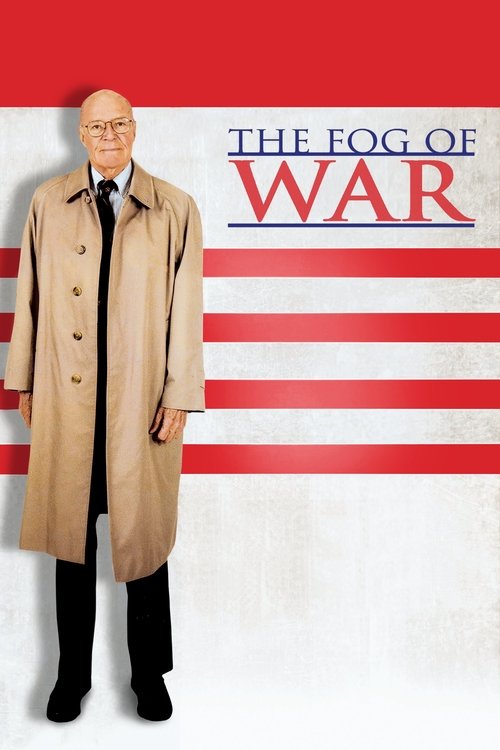
Former corporate whiz kid Robert McNamara was the controversial Secretary of Defense in the Kennedy and Johnson administrations, during the height of the Vietnam War. Augmented by archival footage and cabinet conversation recordings, Errol Morris gives the conflicted McNamara a platform on which he attempts to confront his and the U.S. government's actions in Southeast Asia in light of the horrors of modern warfare, the end of ideology and the punitive judgment of history.
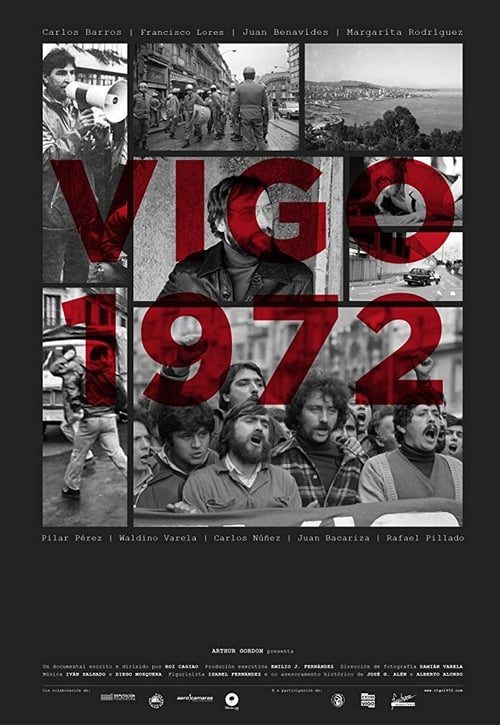
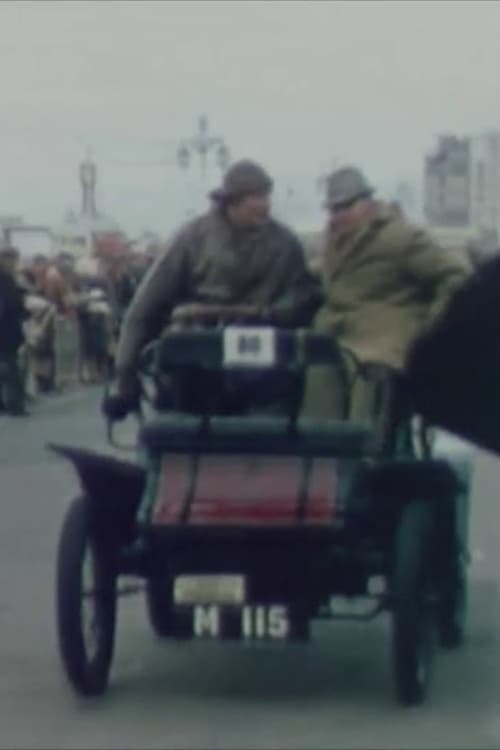
In response to the Detroit riots of 1967, where racial tensions in the city reached a breaking point, the city decided that the way to resolve these tensions would be to put more resources into employing Black people. Namely, chronically unemployed Black men who they refer to as "the hardcore." And predominantly, employing them on the line in auto assembly plants. But in the words of Lloyd Love, a young Detroiter interviewed in the film, this PBS documentary poses the question, "Do you think a job is the answer?" The film explores this question in 1968, by speaking with workers, unemployed people, union activists, students, people who implement city-run employment programs, members of DRUM (Dodge Revolutionary Union Movement), and the Detroit Industrial Mission.
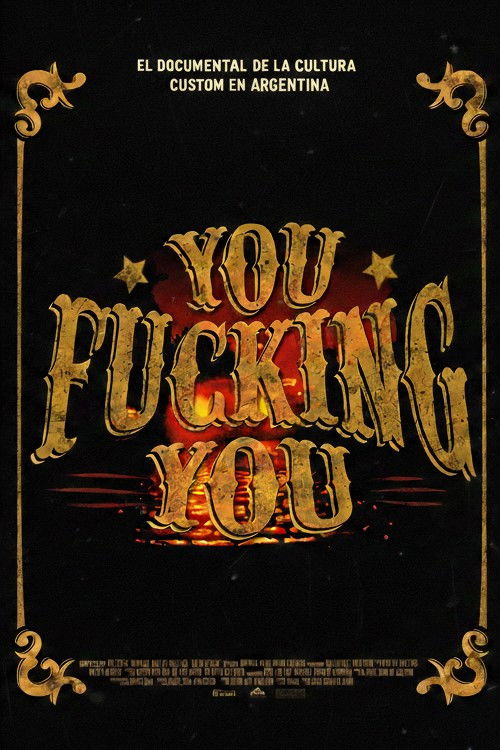
A custom car photographer, along with a talented metal flake painting artist, Alejandro Minissale, tour workshops, artists' studios, and custom events in Argentina with a single purpose: to promote this lifestyle that encompasses the world of American cars, as well as motorcycles, tattoo artists, illustration, memorabilia collecting, musicians and others.