Loading titles…
Drama / War
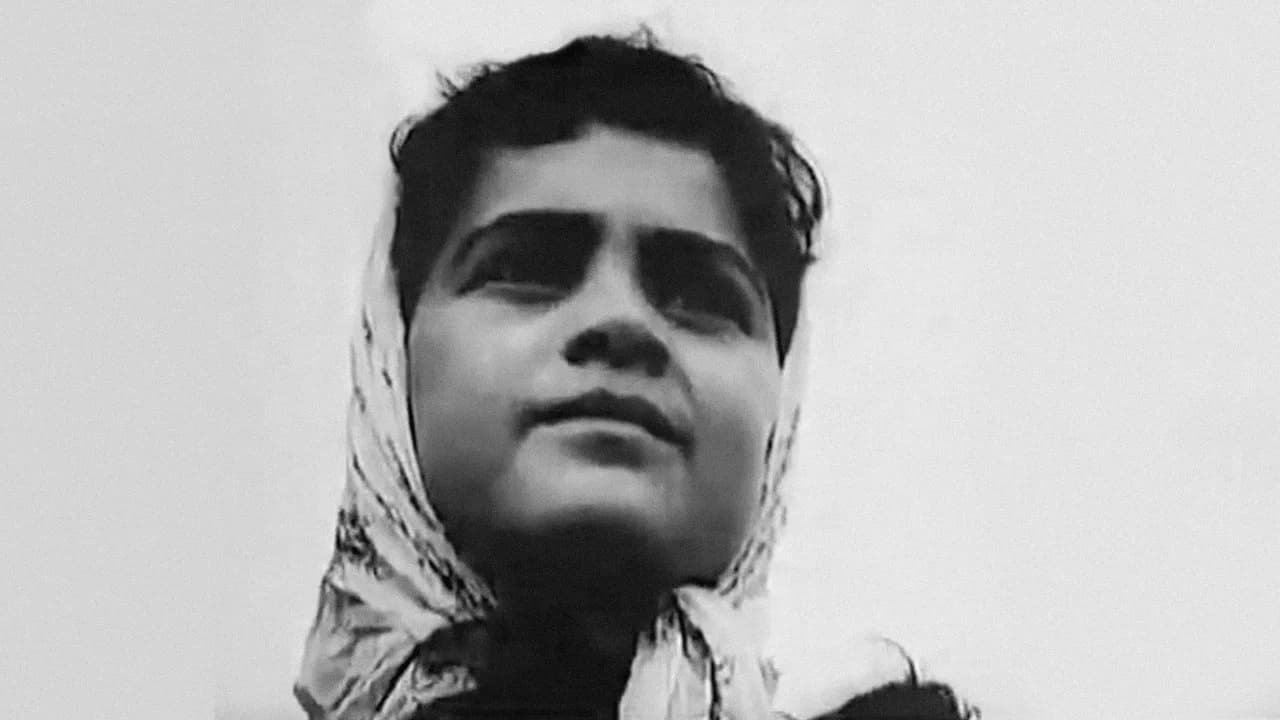
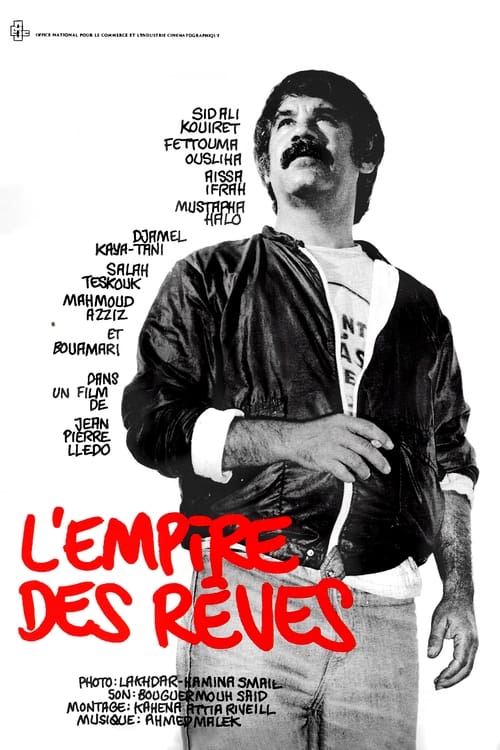
This film was considered a testing ground for young O.N.C.I.C. directors. Today there is no longer a copy and the negative was accidentally destroyed. The Algerian Cinematheque has a copy of the very beautiful part shot by Abderrahmane Bouguermouh "La Give": A young schoolgirl…
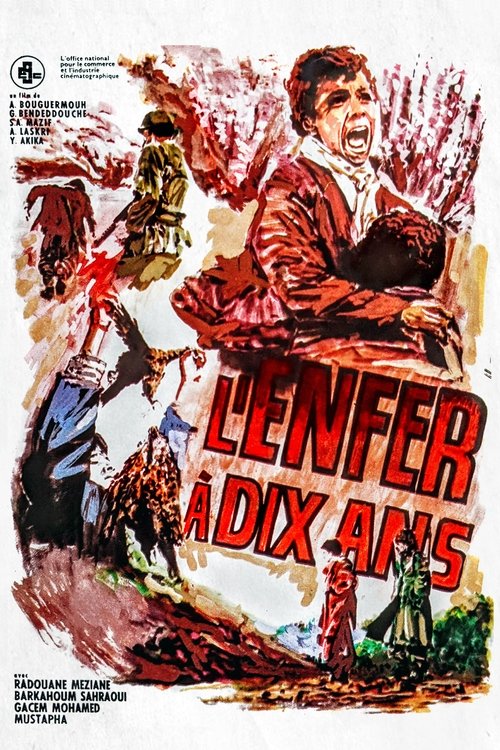
No cast information available.
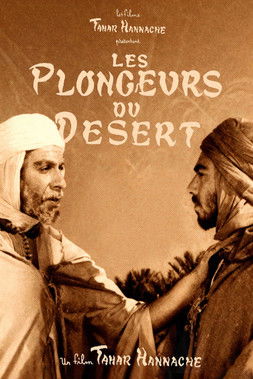
Les Plongeurs Du Désert, directed by Tahar Hannache in 1952, is considered the first entirely Algerian fiction film. It tells the story of the inhabitants of an oasis whose well has dried up. The village elder, Sheikh Messaoud, calls upon the renowned desert divers, artisans specializing in clearing sand- and silt-filled wells, to restore access to the vital water for the community. After their intervention, the water begins to flow again, bringing relief to the oasis and its inhabitants. The film depicts the contrast between the traditional techniques of the divers, embodied by Sheikh Ali and his son Mansour, and the arrival of modernity, represented by the machine that ultimately replaces their craft. This story symbolizes the marginalization of local knowledge in the face of technological progress and the social injustice of the colonial era.
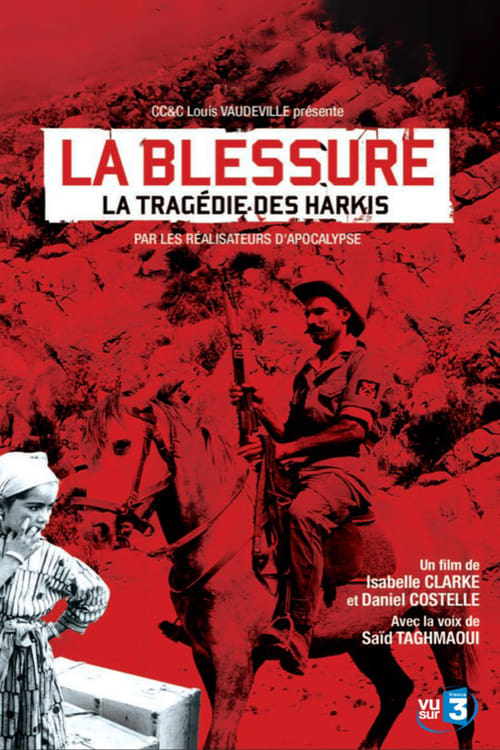
It's the unforgivable story of the two hundred thousands harkis, the Arabs who fought alongside the French in the bitter Algerian war, from 1954 to 1962. Why did they make that choice? Why were they slaughtered after Algeria's independence? Why were they abandonned by the French government? Some fifty to sixty thousands were saved and transferred in France, often at pitiful conditions. This is for the first time, the story of this tragedy, told in the brilliant style of the authors of "Apocalypse".


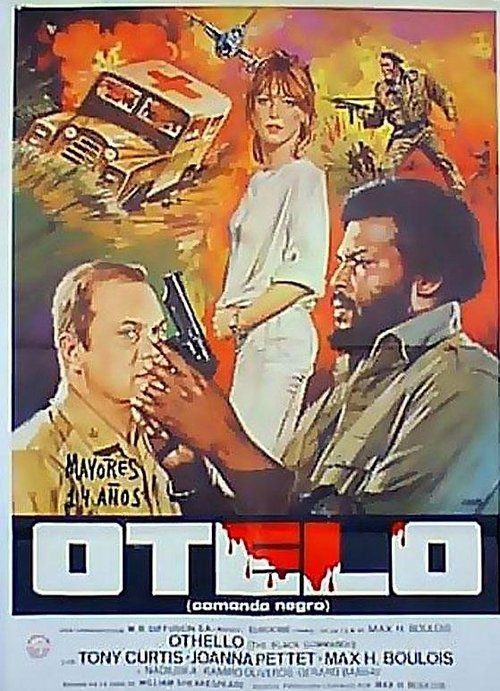

A re-working, re-editing, and restructuring of Sam Fuller's The Big Red One bringing it closer as originally envisioned by the late filmmaker. It includes forty-seven additional minutes which was not utilized in the film's original release. Supervised by Richard Schickel, Peter Bogdanovich, and editor Bryan McKenzie.
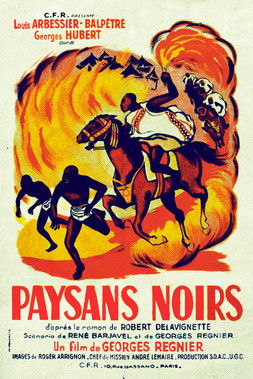
In Ivory Coast, an administrator is appointed to replace a colleague who has just been assassinated. The newly appointed administrator, Guillon, clashes with a powerful elite that extorts money from farmers who refuse to cultivate the land. A peanut processing plant, nearing completion, unfolds against a backdrop of ethnic rivalries and resistance from the rural population to the changes imposed by the colonial regime, which is striving to modernize traditional agriculture to demand increased production. Aided by a doctor and an engineer, Guillon succeeds in restoring the confidence of the Black farmers after thwarting the schemes of those who dared to stand in his way.