Loading titles…
Documentary
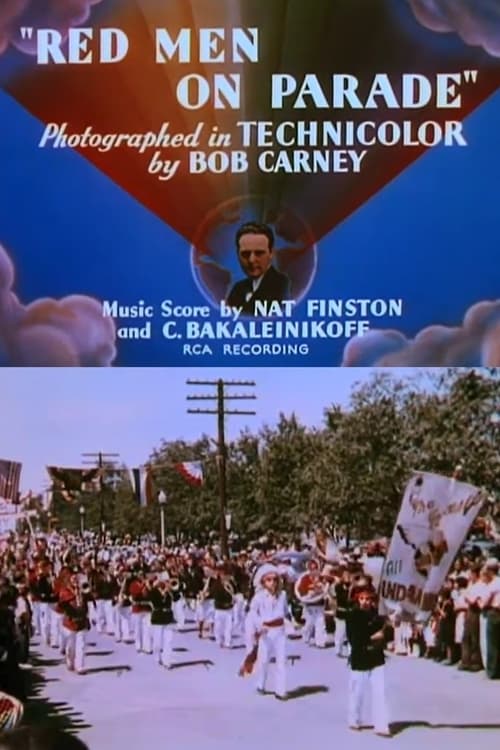
This Traveltalk series short visits a large intertribal meeting of American Indians from all over the western United States. Members of about 30 tribes attended the event, which lasts several days. Attendees perform various tribal ceremonies, demonstrate their skills at crafts…

Narrator (voice)
Himself
Himself
Himself
The film is a portrait of Annie Mae — what she lived for and ultimately died for — a personal perspective of recent Native American history also emerges. The film, winner of several awards, focuses on the long-standing and pervasive problems of Native Americans and was written, produced and directed by Lan Brookes Ritz.
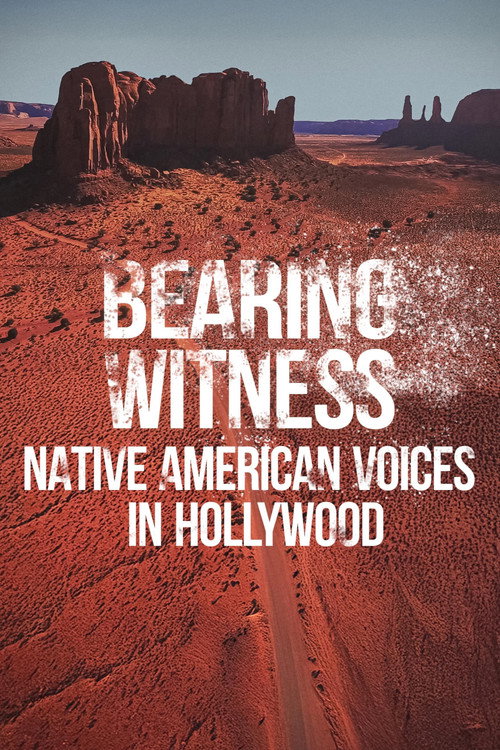
For over 100 years, Hollywood cinema has crafted the ultimate "villain"- the Indian, as they were labeled in early Westerns. Confined almost exclusively to this genre, the Western became a vehicle for American racism, obscuring the genocide upon which the United States was built. In this documentary, only Native Americans are given a voice to share their story, one that has been overshadowed by Hollywood's portrayal. Their narrative, part of the larger American story, highlights how cinema has long been used as a powerful propaganda tool, distorting history and perpetuating harmful stereotypes.
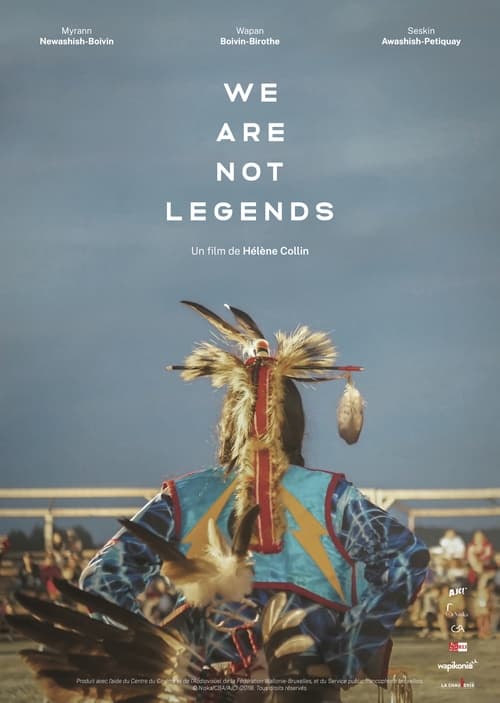
What is it like to be young and grow up on a reserve? Focussing on music lessons, the film reveals the complex relationships that Indigenous youth can have with their “white” teachers. How can two cultures come together? A question the film asks, while inviting us into the private worlds of three Atikamekw teenagers, Myrann, Wapan and Seskin, who are trying to build their future and find a place in this world.
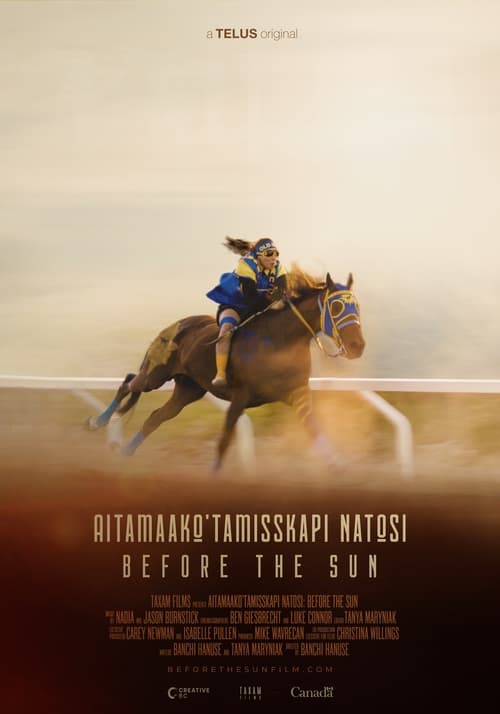
In the Sacramento Mountains of Southern New Mexico In the shadow of Sierra Blanca Peak Live the proud people of the Mescalero Apache With a history of peace, and unimaginable struggle The Mescalero live to honor their ancestors While fighting to survive in a modern world This is their story, in their words, from their Homeland Nation.
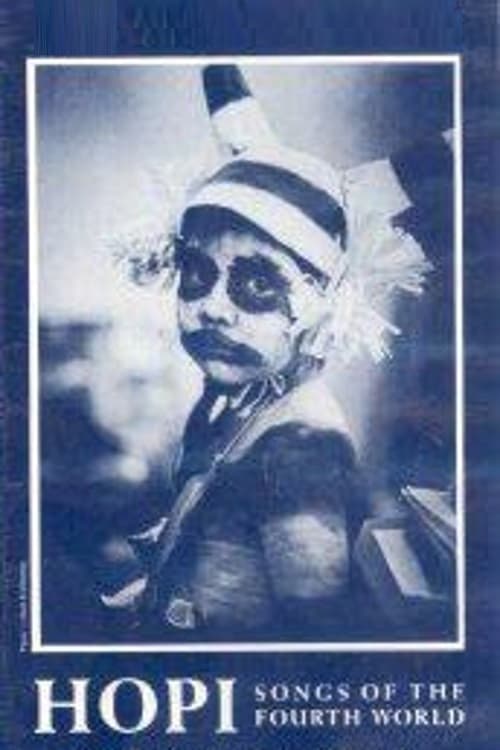
A compelling study of the Hopi that captures their deep spirituality and reveals their integration of art and daily life. Amidst beautiful images of Hopi land and life, a variety of Hopi — a farmer, a religious elder, a grandmother, a painter, a potter, and a weaver — speak about the preservation of the Hopi way. Their philosophy of living in balance and harmony with nature is a model to the Western world of an environmental ethic in action.
With Pete Smith providing dry off-screen commentary, we watch some serious fishing: a marlin caught near Catalina, a hammerhead shark caught then wrestled in a small rowboat near Baja, the largest (721 pounds) great white shark caught to date in California waters, Chinook Indians catching salmon at Celilo Falls in Oregon - each with his designated place on the river where his ancestors stood, and, last, a crew on a boat off Mexico hoisting and hurling tuna using unbarbed hooks (baited only with a feather) as fast as they can as long as the school is there - backbreaking work - but a $25,000 catch.