Loading titles…
No cast information available.

A Good Wolf is a feature-length documentary film examining a 40-year conflict over a single tract of land adjacent to Denali National Park—a volatile struggle between state and federal authorities, fur trappers and wildlife advocates, and competing human interests on public lands. Armed with thorough data, biologists and activists bring a new proposal to state authorities, hoping to regain protections for wolves near the park boundary. But local trappers are adamantly opposed. Hanging in the balance are some of America’s most iconic landscapes and wildlife -- including the remarkable Wolf 1202.
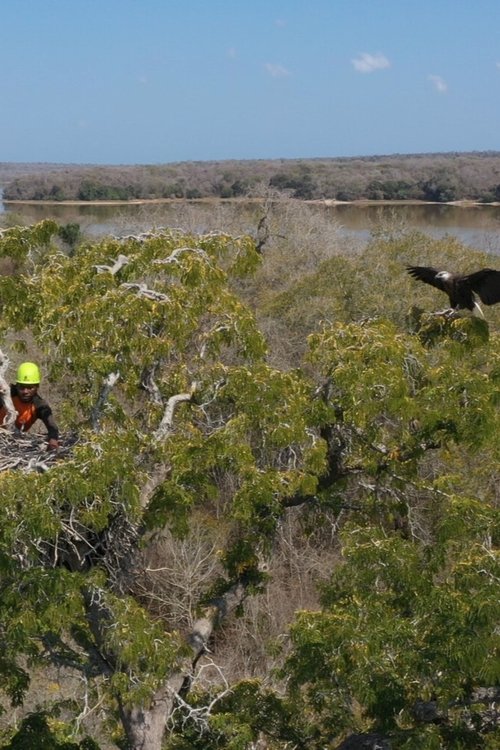
In the remote Manambolomaty lakes region, a globally unique ecosystem is home to both the Sakalava indigenous people and the endangered Madagascar Fish eagle. Through close collaboration with the local community, the region has become a stunning success for conservation - even as the rest of Madagascar's nature suffers heavy losses.
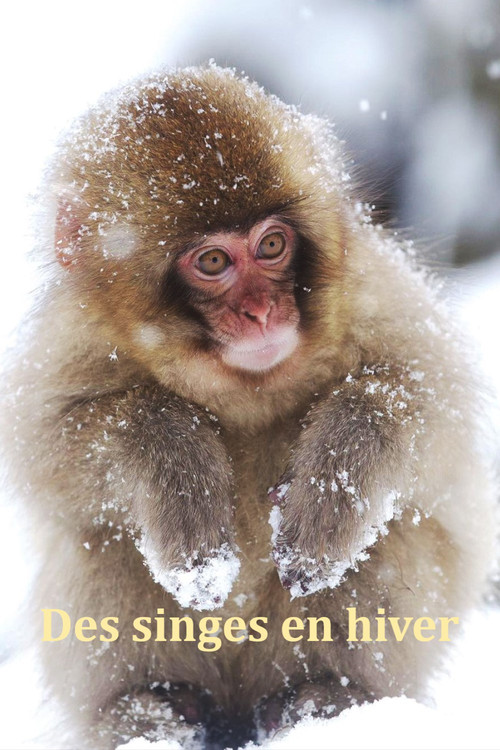
The image of “snow monkeys” submerged in a hot spring as snow falls around them is iconic. These are Japanese macaques, the northernmost population of monkeys in the world. Highly adaptable, they are the only primates to inhabit environments that range from low coastal plains to mountainous areas 3,000 meters above sea level, with temperatures that can drop to -30 degrees Celsius. How is this single species of macaque able to thrive in such widely diverse habitats? Shot in beautiful 4K UHD, the cameras travel through Japan to capture unique monkey groups displaying different localized food habits, including a world-first footage of monkeys catching live fish as well as how such new behaviors spread among individuals in the pack.
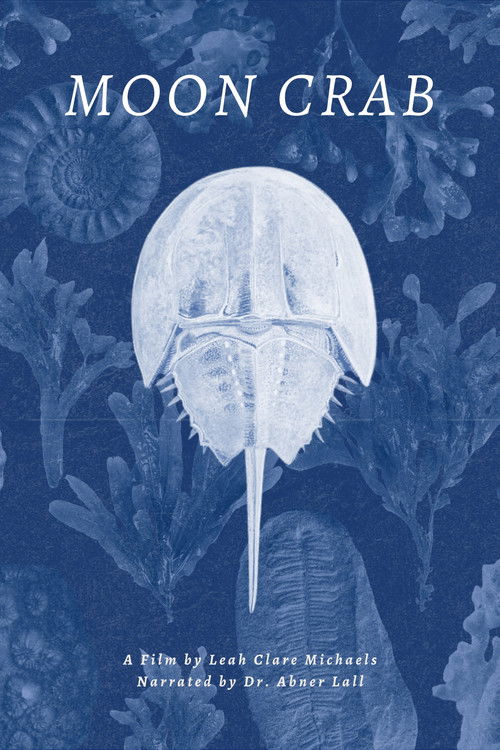
Moon Crab is a meditation on the horseshoe crab, one of Earth's oldest living species now struggling with extreme population decline. Blending reflections on nature's cycles with experimental visuals, the film employs an array of techniques, including eco-processed film developed with seaweed, to immerse the viewer in the crab's subaquatic world. Narrated with intimate depth by physiologist Dr. Abner Lall, the filmmaker’s neighbor, this documentary captures a timeless story of resilience and fragility, urging us to reconsider our connection to the natural world.
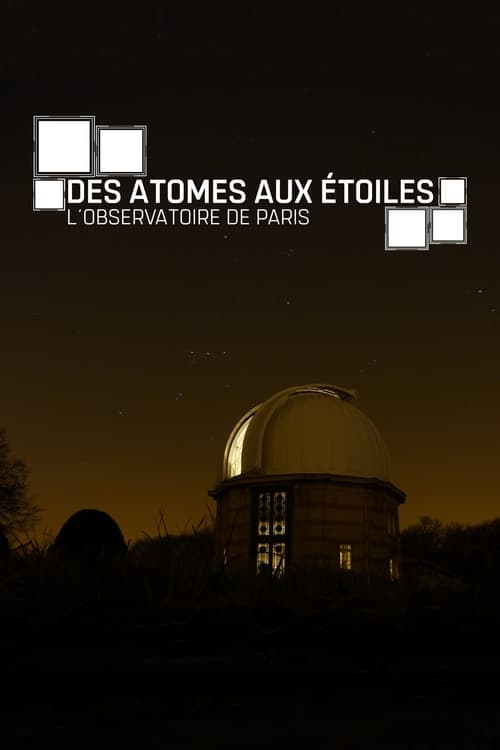
An incredible travel through space and time between the walls of the Paris Observatory, which is celebrating its 350th birthday. Place of discoveries such as speed of light or Neptune’s existence, it is still today one of the oldest operating observatories and the greatest hub in the world for astronomy and astrophysics researches, second only to Harvard.
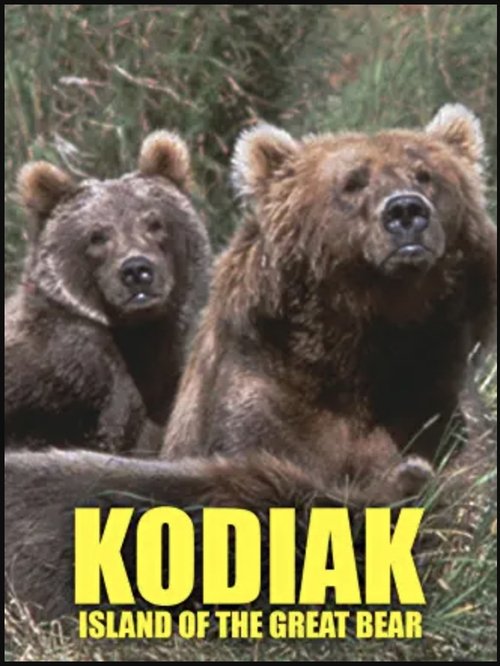
Kodiak Island in the Gulf of Alaska is home to the largest bear on earth, the Kodiak Bear. At least 2,500 bears live on the island and the animal is regarded as the world’s biggest land predator, reaching an impressive four meters in height when standing on its hind legs. Film maker Stefan Quinth spent three years filming the Kodiak Bear and the wildlife of Kodiak Island. His film is a dramatic story about bear and salmon, beavers and eagles. But it is also a film about the thrill of meeting the giant bear eye to eye in its natural habitat.

The eagle is widely regarded “the Queen of the skies”. But what makes the Eagle the Queen of the Sky? Well, a National Geographic documentary takes a look at the life of the eagle. The documentary follows the life of one individual eagle from hatching, to leaving the nest, and then setting up a home on her own. Look at the journey and the fight for survival, revealing what it really takes to become a queen of the sky for one eagle. In total, there are more than 60 members of the eagle clan. National Geographic explores their world, showing the majestic Harpy Eagle o the Amazon. The documentary features slow motion scenes, revealing the true skill of the eagle and how it catches prey from the water’s surface. In winter, on the other hand, when food is hard to find, some eagles hunt around ice floes. And that is where eagle battles occur.